
 EN
EN
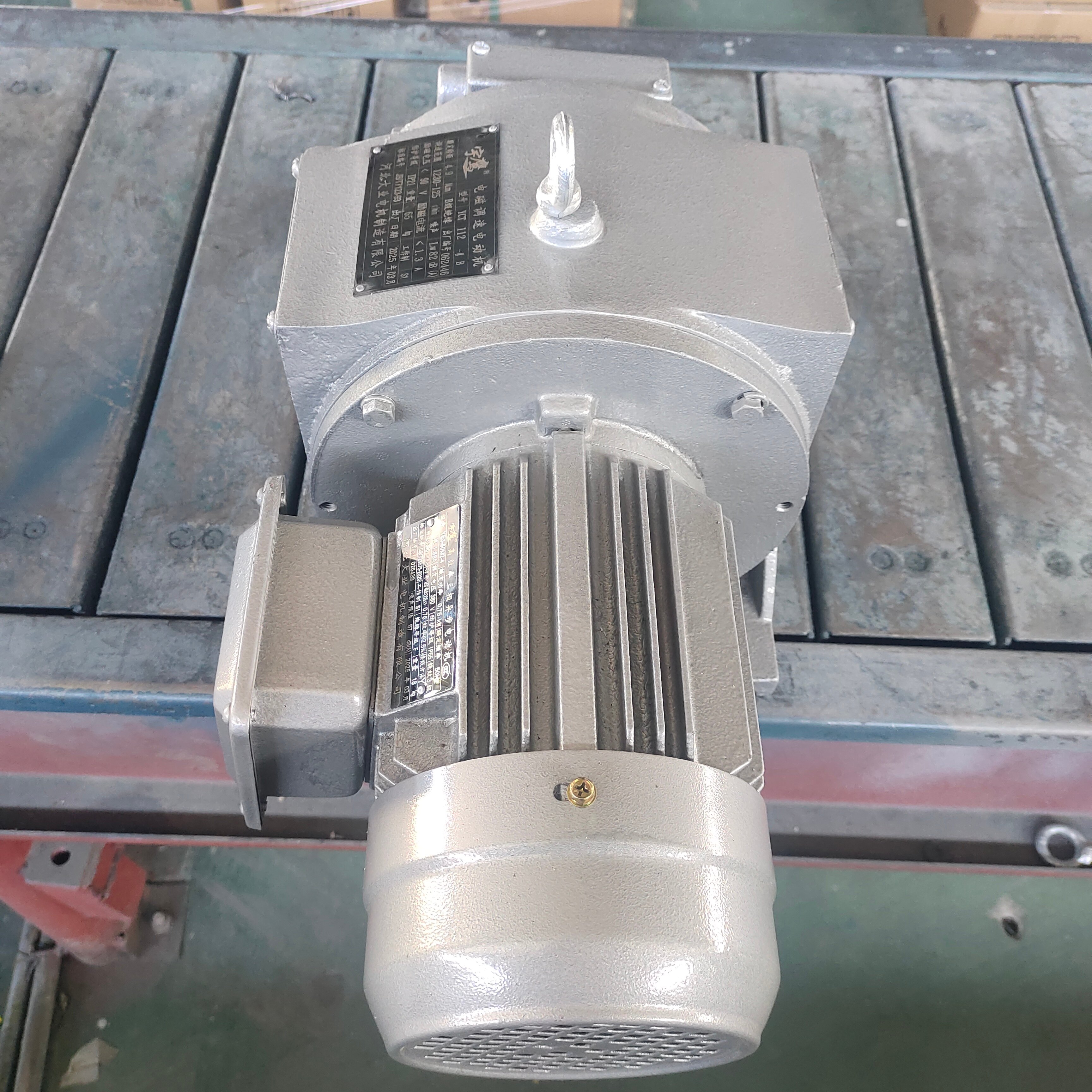
Proper maintenance of industrial motors forms the backbone of efficient manufacturing operations across countless industries. These powerful machines drive everything from conveyor systems to heavy machinery, making their reliable performance critical for maintaining production schedules and operational profitability. Understanding the fundamental principles of industrial motor care can significantly extend equipment lifespan while reducing unexpected downtime and costly emergency repairs.
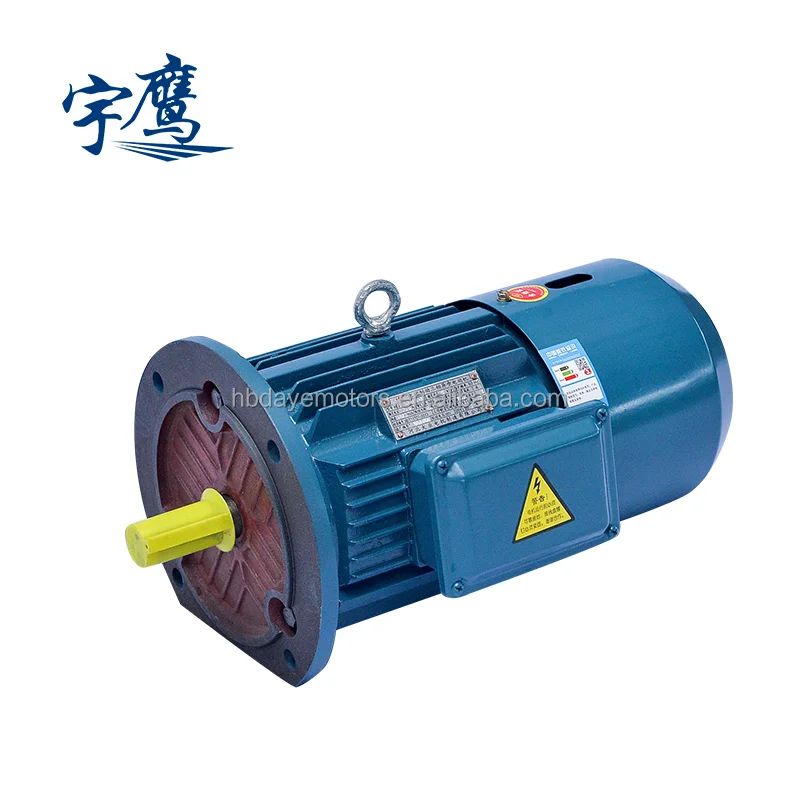
The complexity of modern industrial motor systems requires a comprehensive approach to maintenance that goes beyond simple visual inspections. Each component within these sophisticated machines plays a crucial role in overall performance, from the electromagnetic brake systems to the rotor assemblies. Developing a thorough understanding of these interconnected systems enables maintenance professionals to identify potential issues before they escalate into major failures.
Effective maintenance strategies not only preserve the mechanical integrity of industrial motor equipment but also optimize energy efficiency and operational performance. Companies that implement structured maintenance protocols often experience significant cost savings through reduced energy consumption, extended equipment life, and minimized production interruptions. This comprehensive guide explores the essential aspects of industrial motor maintenance, providing actionable insights for maintenance professionals and facility managers.
Preventive Maintenance Fundamentals
Regular Inspection Protocols
Establishing systematic inspection routines forms the cornerstone of effective industrial motor maintenance programs. These protocols should encompass visual examinations of motor housings, connection points, and mounting systems to identify signs of wear, corrosion, or misalignment. Regular inspections enable maintenance teams to detect early warning signs such as unusual vibrations, excessive heat generation, or abnormal noise patterns that could indicate developing problems.
During routine inspections, technicians should pay particular attention to the condition of electrical connections, ensuring proper torque specifications and freedom from corrosion. The integrity of protective enclosures must be verified to maintain appropriate ingress protection ratings, especially in harsh industrial environments. Documentation of inspection findings creates valuable historical data that helps identify trending issues and optimize maintenance intervals.
Temperature monitoring represents a critical aspect of industrial motor inspection protocols, as excessive heat generation often signals impending component failure. Thermal imaging cameras provide non-invasive methods for identifying hot spots in motor windings, bearing assemblies, and electrical connections. Establishing baseline temperature measurements during normal operation enables maintenance professionals to recognize dangerous temperature excursions that require immediate attention.
Lubrication Management Systems
Proper lubrication management significantly impacts the operational life and reliability of industrial motor bearing systems. Establishing appropriate lubrication schedules based on manufacturer specifications, operating conditions, and environmental factors ensures optimal bearing performance while preventing both under-lubrication and over-lubrication scenarios. The selection of appropriate lubricant types must consider factors such as operating temperature ranges, speed requirements, and contamination exposure.
Modern lubrication management systems incorporate automated dispensing equipment that delivers precise lubricant quantities at predetermined intervals. These systems eliminate human error in lubrication procedures while maintaining consistent application schedules regardless of shift changes or personnel availability. Implementing centralized lubrication systems for multiple industrial motor installations can significantly reduce maintenance labor requirements while improving lubrication consistency.
Oil analysis programs provide valuable insights into the internal condition of industrial motor components by analyzing lubricant samples for wear particles, contamination, and chemical degradation. Regular oil sampling enables maintenance teams to monitor bearing condition, detect early signs of component wear, and optimize lubrication change intervals based on actual operating conditions rather than arbitrary time-based schedules.
Electrical System Maintenance
Winding Insulation Testing
The electrical integrity of motor windings represents a critical factor in industrial motor reliability and safety. Regular insulation resistance testing using megohmmeter instruments helps identify deteriorating insulation conditions before they lead to ground faults or winding failures. Testing should be performed under controlled temperature conditions, as insulation resistance values vary significantly with temperature changes.
Polarization index testing provides additional insights into winding condition by measuring insulation resistance at different time intervals during the test procedure. This advanced testing method can reveal moisture contamination, insulation aging, or contamination that might not be apparent through standard insulation resistance measurements. Trending polarization index values over time helps maintenance professionals make informed decisions about motor replacement timing.
Surge testing represents the most comprehensive method for evaluating winding integrity, as it stresses the insulation system under conditions similar to switching transients experienced during normal operation. This testing method can detect turn-to-turn faults, coil-to-coil shorts, and other winding defects that may not be apparent through other testing methods. However, surge testing should only be performed by qualified technicians using appropriate safety procedures.
Connection Point Maintenance
Electrical connections within industrial motor systems require regular attention to maintain proper contact resistance and prevent arc formation. Loose connections create high-resistance joints that generate excessive heat, leading to accelerated degradation of surrounding components. Thermal cycling from heating and cooling can further exacerbate connection loosening, creating a progressive failure mechanism.
Proper torque application during connection maintenance ensures adequate contact pressure while avoiding over-tightening that could damage connection hardware. Using calibrated torque tools and following manufacturer specifications prevents both under-torqued connections that may loosen over time and over-torqued connections that could strip threads or crack connection points. Regular retorquing schedules should account for thermal cycling and vibration exposure in the specific application.
Contact enhancement compounds can improve connection reliability in challenging environments by reducing oxidation and improving conductivity at connection interfaces. These specialized compounds must be selected based on the specific metals involved and environmental conditions to ensure compatibility and effectiveness. Proper application techniques ensure adequate coverage without excessive buildup that could interfere with proper connection assembly.
Mechanical Component Care
Bearing System Maintenance
Bearing systems within industrial motor assemblies require careful attention to lubrication, alignment, and contamination prevention to achieve optimal service life. Rolling element bearings used in most industrial motor applications are particularly sensitive to contamination, making proper sealing and filtration critical for long-term reliability. The implementation of effective contamination control measures can extend bearing life by several times compared to unprotected installations.
Vibration monitoring provides early warning of bearing deterioration, allowing maintenance teams to schedule replacements during planned outages rather than responding to unexpected failures. Portable vibration analyzers can detect bearing defect frequencies that indicate specific failure modes such as inner race defects, outer race defects, or rolling element damage. Trending vibration levels over time enables predictive maintenance approaches that optimize both reliability and maintenance costs.
Proper bearing installation procedures ensure correct fit and alignment while avoiding contamination introduction during assembly. Using appropriate installation tools such as bearing heaters or hydraulic pullers prevents bearing damage during installation and removal procedures. Clean room protocols during bearing replacement help maintain contamination-free conditions that are essential for achieving design bearing life in industrial motor applications.
Alignment and Coupling Maintenance
Shaft alignment between industrial motor and driven equipment represents a critical factor in overall system reliability and efficiency. Misalignment creates excessive forces on bearings, couplings, and shaft components while reducing energy efficiency through increased friction losses. Precision alignment procedures using laser alignment tools ensure optimal alignment accuracy while minimizing setup time compared to traditional dial indicator methods.
Coupling maintenance involves regular inspection of flexible elements, hub condition, and fastener integrity to prevent unexpected coupling failures. Different coupling types require specific maintenance approaches, from elastomeric element replacement in jaw couplings to lubrication of gear couplings. Understanding the specific maintenance requirements for installed coupling types ensures appropriate care while avoiding unnecessary maintenance activities.
Thermal growth considerations become important in applications involving significant temperature variations, as differential expansion between motor and driven equipment can create misalignment conditions during operation. Establishing alignment procedures that account for thermal growth patterns ensures proper alignment under actual operating conditions rather than ambient assembly conditions.
Environmental Protection Strategies
Contamination Prevention
Industrial environments often expose motor equipment to various contaminants including dust, moisture, chemicals, and metallic particles that can significantly impact reliability and performance. Implementing effective contamination prevention strategies requires understanding the specific contaminants present in each application and selecting appropriate protection measures. Proper enclosure selection based on IP ratings ensures adequate protection against ingress of solid particles and liquids.
Air filtration systems for motor cooling air help prevent accumulation of contaminants on internal components while maintaining adequate cooling airflow. Regular filter replacement schedules must balance contamination protection with airflow requirements to prevent overheating due to restricted cooling. In severely contaminated environments, positive pressure systems can provide additional protection by preventing contaminated air infiltration.
Chemical compatibility considerations become important in applications involving exposure to corrosive substances or solvents that could degrade motor components. Material selection for seals, gaskets, and protective coatings must account for chemical exposure to prevent premature degradation. Regular inspection of protective coatings helps identify areas requiring touch-up or replacement before substrate corrosion occurs.
Climate Control Management
Temperature and humidity control significantly impacts industrial motor reliability, particularly in applications involving frequent starts and stops or varying load conditions. Excessive humidity can promote insulation degradation and corrosion of internal components, while low humidity can create static electricity problems in some applications. Maintaining appropriate environmental conditions helps optimize motor performance and extend service life.
Condensation prevention becomes critical in applications involving significant temperature variations, as moisture accumulation can cause insulation failure and corrosion damage. Space heaters installed in motor terminal boxes help prevent condensation formation during shutdown periods when ambient temperatures drop below motor temperatures. Proper drainage provisions ensure any condensation that does form can be safely removed.
Ventilation system design must balance contamination protection with adequate heat dissipation to prevent overheating during operation. Natural convection cooling relies on proper air circulation patterns, while forced ventilation systems require regular fan maintenance to ensure adequate airflow. Monitoring motor operating temperatures helps verify adequate cooling system performance under varying load conditions.
Performance Monitoring and Diagnostics
Vibration Analysis Programs
Comprehensive vibration analysis programs provide valuable insights into the mechanical condition of industrial motor systems while enabling predictive maintenance approaches. Baseline vibration measurements taken during commissioning establish reference points for future condition monitoring activities. Trending vibration levels over time reveals developing problems that can be addressed during scheduled maintenance windows rather than emergency response situations.
Frequency domain analysis enables identification of specific fault conditions such as unbalance, misalignment, bearing defects, and electrical problems through their characteristic frequency signatures. Understanding the relationship between vibration frequencies and potential fault conditions allows maintenance professionals to make informed decisions about repair timing and methods. Portable analyzers provide flexibility for periodic monitoring, while permanent monitoring systems enable continuous surveillance of critical equipment.
Vibration acceptance criteria must be established based on motor size, speed, and application criticality to provide objective standards for condition assessment. International standards such as ISO 10816 provide general guidelines for vibration limits, but application-specific factors may require modified acceptance criteria. Regular calibration of vibration measurement equipment ensures accurate and repeatable readings that support reliable condition assessment decisions.
Electrical Parameter Monitoring
Monitoring electrical parameters such as current consumption, power factor, and voltage levels provides insights into both motor condition and system efficiency. Current signature analysis can detect rotor problems, stator winding issues, and load variations that may not be apparent through other monitoring methods. Trending electrical parameters over time helps identify gradual degradation that could lead to eventual failure if left unaddressed.
Power quality issues such as voltage unbalance, harmonic distortion, and voltage variations can significantly impact industrial motor performance and reliability. Regular power quality monitoring helps identify system problems that could cause premature motor failure while providing data needed to implement corrective measures. Understanding the relationship between power quality and motor performance enables optimization of both system reliability and energy efficiency.
Motor circuit analysis using specialized test equipment can detect developing problems in motor windings, connections, and rotor circuits without requiring motor disassembly. These non-invasive testing methods enable condition assessment during routine maintenance activities while providing quantitative data about motor condition. Comparing test results with baseline measurements helps identify trends that indicate developing problems requiring attention.
FAQ
How often should industrial motor bearings be lubricated
Bearing lubrication frequency depends on several factors including motor size, speed, operating environment, and bearing type. Generally, small motors operating under normal conditions may require lubrication every 6-12 months, while larger industrial motor installations might need quarterly or even monthly lubrication. Harsh environments with high temperatures, contamination, or continuous operation typically require more frequent lubrication intervals. Always consult manufacturer specifications and consider implementing oil analysis programs to optimize lubrication schedules based on actual operating conditions rather than arbitrary time intervals.
What temperature readings indicate potential motor problems
Motor operating temperatures exceeding manufacturer specifications or showing significant increases from baseline measurements often indicate developing problems. Most industrial motor windings are designed to operate safely at temperatures up to 155°C for Class F insulation, but temperatures consistently above 80-90°C during normal operation warrant investigation. Bearing temperatures should typically remain below 80°C, with alarm thresholds often set around 90-95°C. Any sudden temperature increases of 10-15°C above normal operating levels should trigger immediate investigation to prevent damage.
When should motor insulation testing be performed
Insulation testing should be performed annually for most industrial motor applications, with more frequent testing in harsh environments or critical applications. New motor installations should undergo insulation testing before initial startup to establish baseline values. After any motor repair work involving winding replacement or major maintenance, insulation testing verifies proper installation and insulation integrity. Motors exposed to moisture, chemicals, or extreme temperatures may require quarterly or semi-annual testing to monitor insulation degradation trends.
How can vibration levels be reduced in motor systems
Vibration reduction in industrial motor systems typically involves addressing root causes such as misalignment, unbalance, or loose mounting hardware. Precision shaft alignment between motor and driven equipment eliminates excessive forces that create vibration. Dynamic balancing of rotating components reduces unbalance forces, while proper mounting system design provides adequate stiffness and isolation. Regular inspection and tightening of mounting bolts prevents looseness that can amplify vibration levels. In some cases, vibration isolation mounts or flexible couplings can help reduce vibration transmission to surrounding structures.