 EN
EN
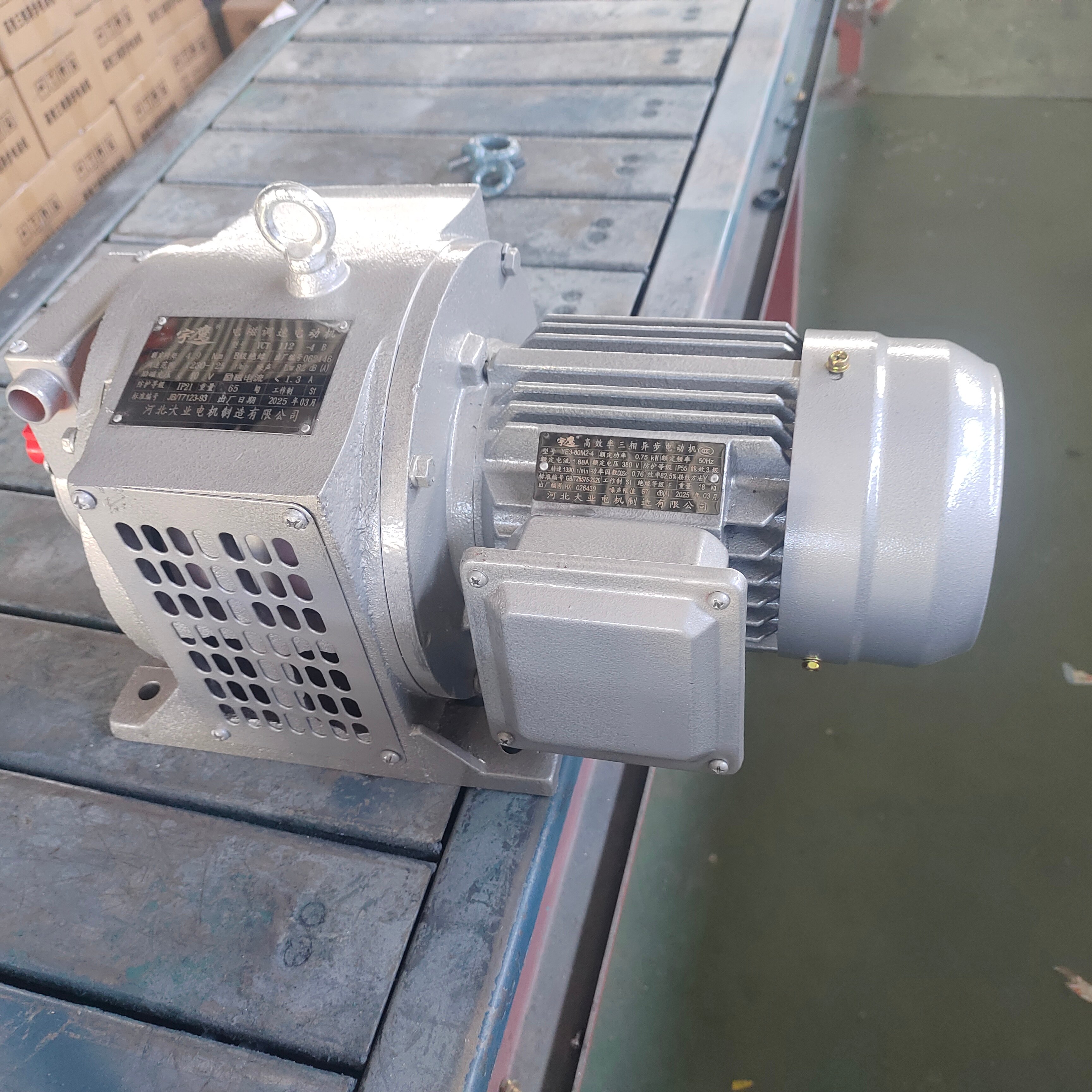
Industrial motor failures can bring production lines to a grinding halt, costing businesses thousands of dollars in downtime and repairs. Understanding the most prevalent issues that affect industrial motor performance is crucial for maintenance teams and facility managers who want to keep their operations running smoothly. Modern manufacturing facilities rely heavily on these robust machines to power conveyor systems, pumps, compressors, and countless other applications that form the backbone of industrial operations.
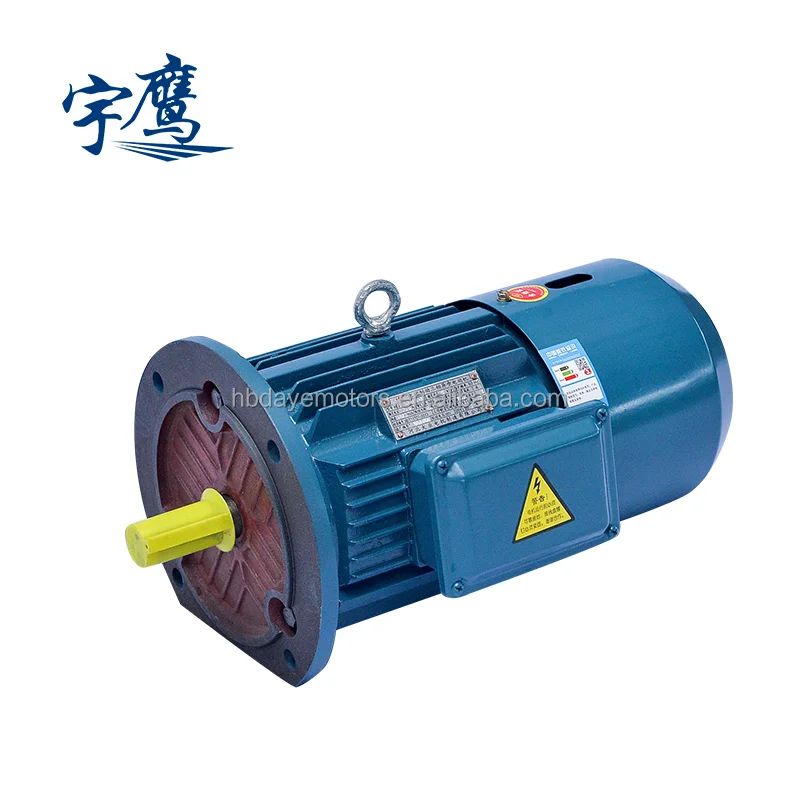
The complexity of industrial motor systems means that multiple factors can contribute to equipment failure. Environmental conditions, electrical supply quality, mechanical wear, and maintenance practices all play significant roles in determining the lifespan and reliability of these critical components. Recognizing early warning signs and implementing preventive measures can dramatically reduce unexpected breakdowns and extend the operational life of industrial motor equipment.
This comprehensive guide examines the five most frequently encountered industrial motor problems, their underlying causes, and practical solutions that maintenance professionals can implement. By addressing these issues proactively, facilities can achieve better equipment reliability, reduce maintenance costs, and maintain consistent production output.
Overheating Issues in Industrial Motors
Root Causes of Motor Overheating
Excessive heat generation represents one of the most destructive forces affecting industrial motor longevity. When an industrial motor operates beyond its designed temperature limits, insulation breakdown accelerates, bearing lubricants deteriorate, and mechanical components expand beyond acceptable tolerances. The primary culprits behind overheating include inadequate ventilation, overloading, voltage imbalances, and blocked cooling passages.
Environmental factors significantly contribute to thermal stress in industrial motor applications. Ambient temperatures exceeding design specifications, accumulation of dust and debris on cooling fins, and restricted airflow around motor housings create conditions where heat dissipation becomes insufficient. Additionally, electrical issues such as unbalanced phase voltages force motors to work harder, generating excess heat that can quickly damage internal components.
Prevention and Cooling Solutions
Implementing effective thermal management strategies requires a multi-faceted approach that addresses both mechanical and electrical factors. Regular cleaning of cooling fins and air passages ensures optimal heat transfer from the motor housing to the surrounding environment. Installing temperature monitoring systems with alarm functions provides early warning when industrial motor operating temperatures approach dangerous levels.
Proper sizing and load management prevent excessive heat generation at the source. Conducting regular thermal imaging inspections helps identify hot spots before they develop into serious problems. In high-temperature environments, consider upgrading to motors with higher insulation classes or implementing supplementary cooling systems such as external fans or heat exchangers.
Bearing Failures and Mechanical Wear
Understanding Bearing Deterioration Patterns
Bearing failures account for approximately forty percent of all industrial motor breakdowns, making them the single most common cause of equipment failure. These precision components experience constant stress from rotational forces, axial loads, and environmental contaminants. Over time, bearing races develop pitting, balls or rollers wear unevenly, and lubrication breaks down, leading to increased friction and eventual seizure.
Several factors accelerate bearing wear in industrial motor applications. Contamination from moisture, dust, or chemical vapors compromises lubrication effectiveness and introduces abrasive particles that score bearing surfaces. Misalignment between motor and driven equipment creates uneven loading that concentrates stress on specific bearing areas. Excessive belt tension, improper mounting procedures, and shaft deflection all contribute to premature bearing failure.
Lubrication Management and Replacement Strategies
Establishing a comprehensive lubrication program forms the foundation of effective bearing maintenance. Different industrial motor applications require specific lubricant types, quantities, and replacement intervals based on operating conditions and manufacturer recommendations. Over-lubrication can be as damaging as under-lubrication, causing excess heat buildup and seal failure.
Vibration analysis provides valuable insights into bearing condition without requiring equipment disassembly. Regular monitoring of vibration signatures helps identify developing problems weeks or months before catastrophic failure occurs. When bearing replacement becomes necessary, proper installation procedures, shaft alignment verification, and quality replacement parts ensure optimal performance and longevity.
Electrical Winding Problems
Insulation Breakdown and Short Circuits
The electrical windings within an industrial motor represent some of the most vulnerable components in the entire system. These carefully crafted copper conductors rely on insulation materials to prevent electrical shorts between windings and to ground. When insulation deteriorates due to thermal stress, mechanical vibration, chemical exposure, or simple aging, the resulting electrical faults can destroy motors within seconds.
Moisture infiltration poses a particularly serious threat to winding integrity. Water absorption reduces insulation resistance dramatically, creating pathways for current leakage and eventual breakdown. High-voltage transients from switching operations or lightning strikes can puncture insulation instantly, while gradual degradation from repeated thermal cycling creates weak spots that eventually fail under normal operating conditions.
Testing and Preventive Maintenance
Regular insulation resistance testing provides early warning of developing winding problems before they cause complete motor failure. Megohmmeter readings below manufacturer specifications indicate compromised insulation that requires immediate attention. Performing these tests during scheduled maintenance intervals helps establish trending patterns that predict when rewinding or replacement becomes necessary.
Environmental protection measures significantly extend winding life in challenging applications. Installing proper enclosures, maintaining appropriate ventilation, and using moisture-resistant insulation materials help protect windings from harmful contaminants. Power quality improvement through surge protection devices and voltage regulation equipment reduces electrical stress on industrial motor windings.
Vibration and Alignment Issues
Sources of Excessive Vibration
Mechanical vibration in industrial motor systems stems from various sources, each requiring different diagnostic and corrective approaches. Unbalanced rotors create centrifugal forces that increase proportionally with rotational speed, causing excessive bearing loads and structural fatigue. Misalignment between motors and driven equipment generates both radial and axial vibration components that accelerate wear throughout the drive system.
Foundation problems, loose mounting bolts, and structural resonances amplify vibration problems significantly. When the natural frequency of mounting structures coincides with motor operating speeds or their harmonics, destructive resonance conditions develop. Bent shafts, damaged couplings, and worn mechanical components introduce additional vibration sources that compound existing problems.
Precision Alignment and Balancing Techniques
Achieving precise alignment between industrial motor and driven equipment requires sophisticated measurement tools and proven procedures. Laser alignment systems provide accuracy levels impossible to achieve with traditional straightedge methods, ensuring that angular and parallel misalignment remain within acceptable tolerances. Proper coupling selection and installation techniques minimize the transmission of alignment errors between connected components.
Dynamic balancing addresses rotor imbalance issues that develop during manufacturing or service. Professional balancing services can correct both static and dynamic imbalance conditions, significantly reducing vibration levels and extending bearing life. Regular vibration monitoring helps identify when rebalancing becomes necessary due to component wear or damage accumulation.
Power Supply and Electrical Problems
Voltage Quality Issues
Poor electrical power quality affects industrial motor performance in numerous ways, often creating cascading problems that lead to premature failure. Voltage imbalances force motors to draw unequal currents in each phase, generating excess heat and reducing efficiency. Harmonic distortion from variable frequency drives and other non-linear loads creates additional losses and can interfere with motor control systems.
Voltage sags and surges place severe stress on industrial motor components, particularly during starting sequences when inrush currents reach several times normal operating levels. Sustained overvoltage conditions accelerate insulation aging, while undervoltage operation increases current draw and heating. Frequent power interruptions subject motors to thermal cycling that gradually weakens insulation and mechanical components.
Power Conditioning and Protection Systems
Installing appropriate power conditioning equipment helps maintain consistent voltage and current quality for sensitive industrial motor applications. Voltage regulators compensate for supply variations, while harmonic filters reduce distortion levels that can interfere with motor operation. Surge protection devices guard against transient overvoltages that can instantly damage motor windings.
Motor protection relays provide comprehensive monitoring of electrical parameters and can disconnect equipment before damage occurs. These intelligent devices monitor phase currents, voltages, temperatures, and other critical parameters, providing both protection and diagnostic information. Proper relay settings and regular testing ensure reliable protection when abnormal conditions develop.
Maintenance Best Practices for Industrial Motors
Predictive Maintenance Strategies
Modern predictive maintenance techniques enable maintenance teams to monitor industrial motor condition continuously and schedule repairs before failures occur. Vibration analysis, thermal imaging, oil analysis, and electrical testing provide comprehensive insights into equipment health. These non-invasive techniques allow motors to remain in service while providing early warning of developing problems.
Establishing baseline measurements during commissioning creates reference points for future comparisons. Trending analysis reveals gradual changes that indicate normal wear versus abnormal deterioration patterns. Automated monitoring systems can provide continuous surveillance of critical parameters, alerting maintenance personnel when intervention becomes necessary.
Documentation and Record Keeping
Comprehensive maintenance records provide valuable information for optimizing industrial motor reliability and performance. Tracking repair history, operating conditions, and failure patterns helps identify recurring problems and their root causes. This information proves invaluable when making decisions about repair versus replacement and when specifying requirements for new equipment.
Digital maintenance management systems streamline record keeping and enable sophisticated analysis of maintenance data. These systems can generate automatic work orders based on time or condition-based triggers, ensuring that preventive maintenance tasks receive proper attention. Integration with inventory management systems helps ensure that necessary spare parts remain available when needed.
FAQ
What are the early warning signs of industrial motor failure
Early warning signs include unusual noises such as grinding, squealing, or rattling sounds, excessive vibration, higher than normal operating temperatures, and changes in electrical current draw. Visual indicators like oil leaks, damaged cables, or corrosion on terminals also suggest developing problems. Regular monitoring of these parameters helps identify issues before they cause complete motor failure.
How often should industrial motor maintenance be performed
Maintenance frequency depends on operating conditions, duty cycles, and environmental factors. Generally, basic inspections should occur monthly, lubrication every three to six months, and comprehensive testing annually. Critical applications may require more frequent attention, while motors in clean, controlled environments might operate longer between maintenance intervals. Manufacturer recommendations provide starting points that should be adjusted based on actual operating experience.
Can industrial motor efficiency be improved through maintenance
Yes, proper maintenance significantly improves industrial motor efficiency and performance. Clean motors with properly aligned components, good electrical connections, and adequate lubrication operate more efficiently than neglected equipment. Regular maintenance can restore efficiency levels close to original specifications, reducing energy consumption and operating costs while extending equipment life.
When should industrial motors be replaced rather than repaired
Replacement becomes economically justified when repair costs exceed fifty to seventy percent of new motor cost, when efficiency improvements from newer technology provide significant energy savings, or when reliability requirements cannot be met with existing equipment. Age, availability of spare parts, and frequency of repairs also influence replacement decisions. Consulting with motor specialists helps evaluate all relevant factors for optimal decision making.