
 EN
EN
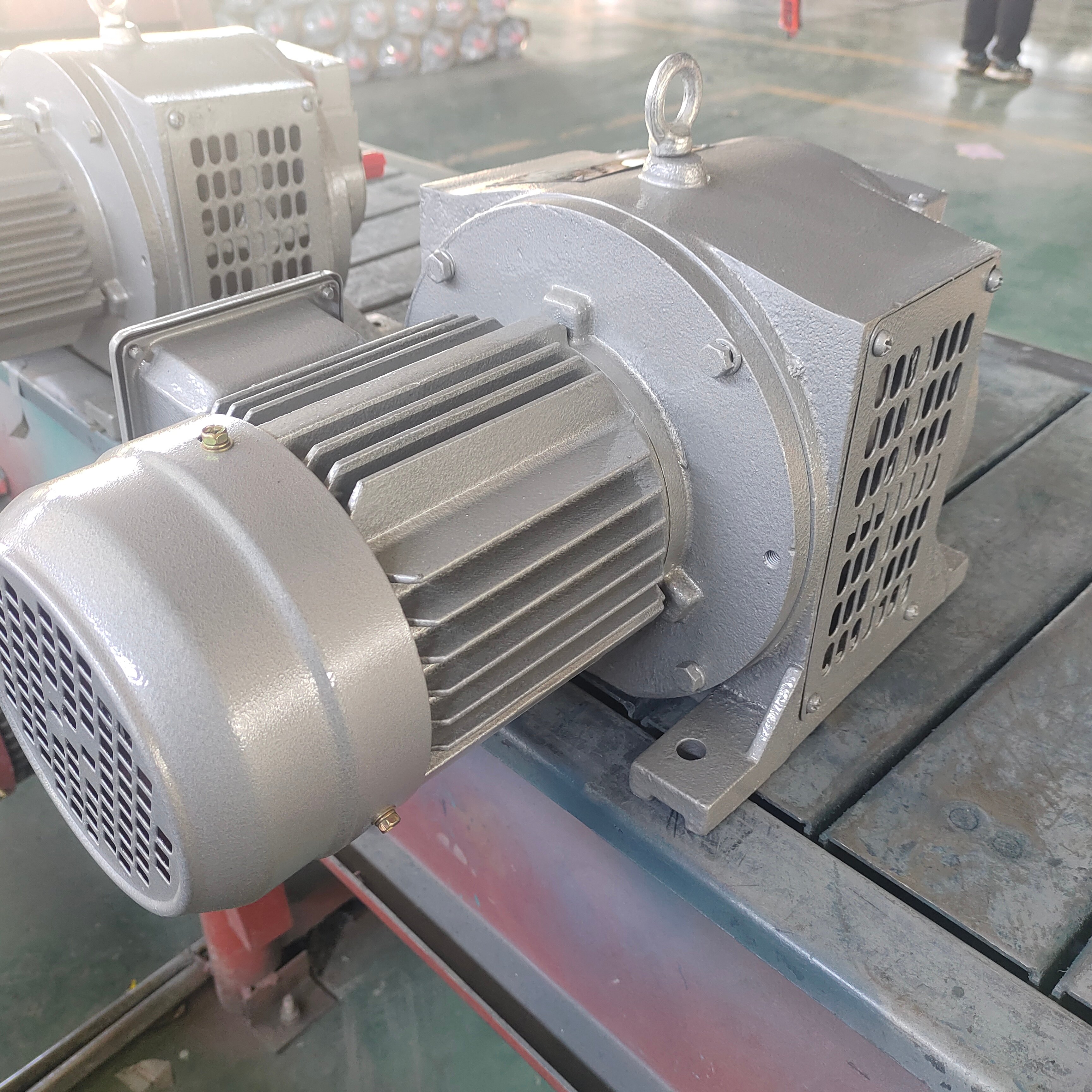
Selecting the right industrial motor is crucial for optimizing manufacturing processes, improving energy efficiency, and ensuring reliable operations across various industrial applications. With numerous motor types available in today's market, understanding the key characteristics, advantages, and applications of each option becomes essential for making informed purchasing decisions. This comprehensive guide examines the top ten industrial motor types that dominate modern manufacturing facilities, providing detailed insights into their performance capabilities, cost considerations, and specific use cases to help you choose the most suitable motor for your operational requirements.
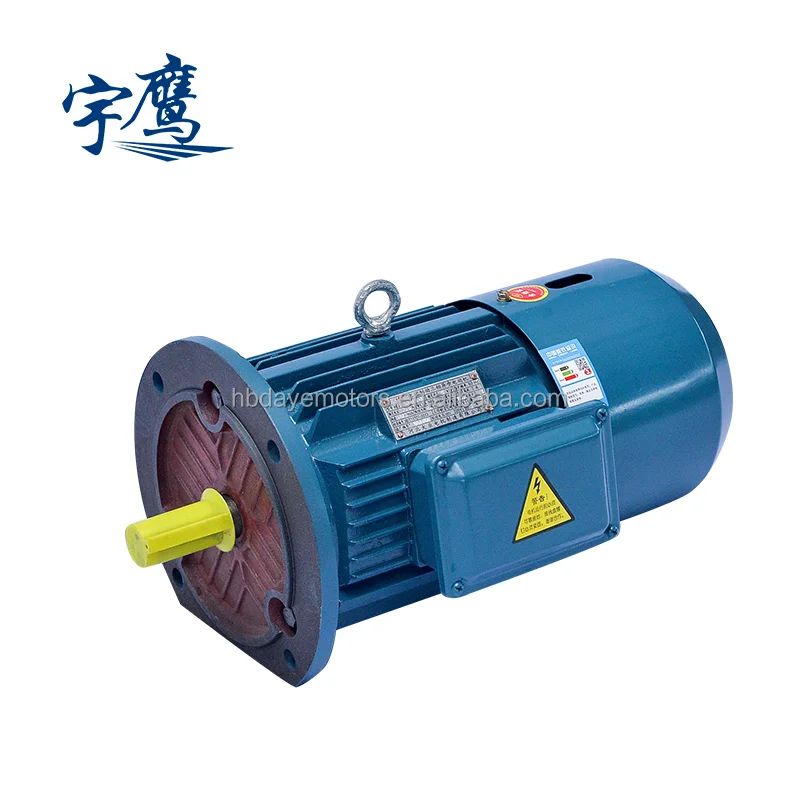
AC Induction Motors for Heavy-Duty Applications
Three-Phase Induction Motor Features
Three-phase induction motors represent the most widely used industrial motor type in manufacturing facilities worldwide due to their robust construction, reliable performance, and cost-effective operation. These motors operate on the principle of electromagnetic induction, where rotating magnetic fields generated by three-phase power supply create torque without requiring physical contact between rotor and stator components. The absence of brushes and slip rings significantly reduces maintenance requirements while extending operational lifespan, making them ideal for continuous-duty applications in harsh industrial environments.
The power range of three-phase induction motors extends from fractional horsepower units for small machinery to massive multi-megawatt installations powering entire production lines. Their efficiency typically ranges between 85% to 96%, depending on motor size, load conditions, and design specifications. Modern three-phase induction motors incorporate premium efficiency features such as optimized magnetic circuits, reduced losses, and advanced cooling systems that contribute to lower operating costs and reduced environmental impact.
Single-Phase Induction Motor Applications
Single-phase induction motors serve specialized roles in industrial settings where three-phase power supply is unavailable or impractical, particularly in smaller manufacturing operations, remote facilities, and portable equipment applications. These motors utilize capacitor-start or capacitor-run configurations to create the necessary phase shift for generating starting torque, although their efficiency and power output remain lower compared to three-phase alternatives. Despite these limitations, single-phase induction motors offer advantages in terms of simplified wiring, reduced infrastructure costs, and compatibility with standard residential electrical systems.
The industrial motor applications for single-phase units include small conveyor systems, ventilation fans, pumps, compressors, and workshop equipment where power requirements typically range from 1/4 HP to 10 HP. Their relatively simple construction and widespread availability make them suitable for replacement applications and emergency backup systems. However, careful consideration must be given to starting torque requirements and duty cycle specifications when selecting single-phase motors for industrial applications.
DC Motor Technologies and Performance Characteristics
Brushed DC Motor Advantages
Brushed DC motors continue to play important roles in industrial applications requiring precise speed control, high starting torque, and simple control systems. These motors feature carbon brushes that maintain electrical contact with the rotating commutator, enabling smooth torque delivery and excellent speed regulation characteristics. The ability to vary speed simply by adjusting applied voltage makes brushed DC motors particularly attractive for applications requiring frequent speed changes or precise positioning control without complex electronic controllers.
Industrial applications for brushed DC motors include material handling equipment, printing machinery, textile processing equipment, and variable-speed drive systems where their linear speed-torque characteristics provide predictable performance. The main disadvantages include higher maintenance requirements due to brush wear, potential spark generation in hazardous environments, and limited maximum speed capabilities. However, their simplicity, cost-effectiveness, and proven reliability continue to make them viable options for many industrial motor applications.
Brushless DC Motor Innovation
Brushless DC motors represent advanced industrial motor technology that eliminates mechanical brushes through electronic commutation, resulting in higher efficiency, reduced maintenance, and improved reliability compared to brushed alternatives. These motors utilize permanent magnet rotors and electronic speed controllers that precisely time current switching to maintain optimal torque production throughout the rotation cycle. The absence of brush friction and electrical arcing significantly extends motor lifespan while enabling operation in clean room environments and hazardous locations.
The performance advantages of brushless DC motors include efficiency ratings exceeding 90%, precise speed control, quiet operation, and excellent dynamic response characteristics. These features make them particularly suitable for applications requiring high precision, such as CNC machinery, robotics, medical equipment, and automated assembly systems. While initial costs remain higher than brushed alternatives, the reduced maintenance requirements and energy savings often justify the investment in long-term industrial applications.
Synchronous Motor Applications and Benefits
Permanent Magnet Synchronous Motors
Permanent magnet synchronous motors (PMSM) utilize high-energy permanent magnets in the rotor assembly to achieve exceptional efficiency and power density characteristics that make them increasingly popular in modern industrial applications. These motors maintain constant speed regardless of load variations, as long as operating within their rated capacity, providing precise synchronization capabilities essential for coordinated multi-motor systems. The permanent magnet excitation eliminates the need for rotor windings and slip rings, resulting in reduced losses and simplified construction.
The industrial motor efficiency of PMSM units typically exceeds 95%, making them ideal for energy-conscious applications where operating cost reduction is paramount. Common applications include high-speed machining centers, precision positioning systems, electric vehicle drives, and renewable energy generation equipment. However, the high cost of rare earth permanent magnets and potential demagnetization risks in high-temperature environments must be considered during motor selection processes.
Wound Rotor Synchronous Motors
Wound rotor synchronous motors feature electromagnetically excited rotors that provide adjustable power factor capabilities and excellent load handling characteristics for large industrial applications. These motors can operate at leading, lagging, or unity power factor conditions, making them valuable for power factor correction in industrial facilities while simultaneously providing mechanical power output. The ability to adjust excitation current allows optimization of system power factor and reactive power compensation.
Large-scale industrial applications for wound rotor synchronous motors include steel mill drives, cement plant equipment, mining machinery, and power generation systems where their constant speed characteristics and power factor control capabilities provide significant operational advantages. The complexity of excitation systems and higher initial costs are offset by improved system efficiency and reduced electrical infrastructure requirements in large installations.
Specialty Motor Types for Specific Applications
Servo Motor Precision Control
Servo motors represent specialized industrial motor designs optimized for precise position, velocity, and torque control in automated manufacturing systems. These motors incorporate high-resolution feedback devices such as encoders or resolvers that provide real-time position information to closed-loop control systems, enabling accurate positioning within fractions of a degree. The combination of high-performance motors and sophisticated controllers delivers exceptional dynamic response and positioning accuracy essential for modern automation applications.
Industrial applications for servo motors span across CNC machining centers, robotic systems, packaging machinery, and automated assembly lines where precise motion control directly impacts product quality and production efficiency. Modern servo motors utilize permanent magnet or wound field designs with optimized magnetic circuits that deliver high torque-to-inertia ratios and excellent speed regulation. The integration of digital communication protocols enables seamless integration with industrial automation systems and remote monitoring capabilities.
Stepper Motor Positioning Systems
Stepper motors provide open-loop positioning control through incremental angular movement in discrete steps, making them suitable for applications requiring precise positioning without expensive feedback systems. These motors convert electrical pulse trains into proportional mechanical rotation, with typical step angles ranging from 0.9 degrees to 15 degrees depending on motor design and control method. The ability to achieve accurate positioning without encoders simplifies system design and reduces overall cost while maintaining adequate precision for many industrial applications.
Common industrial motor applications for stepper motors include 3D printers, automated testing equipment, textile machinery, and small-scale positioning systems where moderate precision requirements and cost constraints favor their selection. Hybrid stepper motors combining permanent magnet and variable reluctance principles offer improved torque characteristics and higher step resolution compared to basic designs. However, potential step loss under overload conditions and resonance issues at certain speeds must be considered during application design phases.
Energy Efficient Motor Technologies
Premium Efficiency Motor Standards
Premium efficiency motors meet or exceed stringent energy performance standards established by international organizations such as IEC, NEMA, and government regulatory agencies worldwide. These motors incorporate advanced design features including optimized magnetic materials, reduced air gaps, improved cooling systems, and precision manufacturing techniques that minimize losses and maximize energy conversion efficiency. The implementation of premium efficiency standards has driven significant improvements in industrial motor performance while reducing global energy consumption.
The economic benefits of premium efficiency motors include reduced electricity costs, lower heat generation, extended motor life, and potential utility rebates or tax incentives in many regions. While initial purchase prices may be higher than standard efficiency alternatives, the total cost of ownership typically favors premium efficiency motors in applications with high duty cycles or expensive electricity rates. Industrial facilities implementing energy management programs often prioritize premium efficiency motor upgrades as cost-effective measures for reducing operational expenses.
Variable Frequency Drive Integration
Variable frequency drives (VFDs) paired with industrial motor systems provide exceptional energy savings and process control capabilities by matching motor speed to actual load requirements. This combination eliminates energy waste associated with throttling valves, dampers, or mechanical speed control methods while providing precise process control and reduced mechanical stress on driven equipment. Modern VFDs incorporate advanced control algorithms and communication capabilities that enable integration with plant-wide automation systems.
The energy savings potential of VFD-controlled industrial motor systems often exceeds 30% in variable load applications such as pumps, fans, and compressors. Additional benefits include soft starting capabilities that reduce mechanical stress and electrical demand, improved power factor, and enhanced process control precision. The selection of motors specifically designed for VFD operation ensures optimal performance and prevents potential issues such as bearing currents or insulation degradation associated with PWM drive systems.
Motor Selection Criteria and Considerations
Load Characteristics Analysis
Proper industrial motor selection begins with comprehensive analysis of load characteristics including torque requirements, speed profiles, duty cycles, and environmental conditions that directly impact motor performance and longevity. Understanding whether the application involves constant torque, variable torque, or constant power load profiles helps determine the most suitable motor type and sizing requirements. Additionally, consideration of starting torque requirements, overload conditions, and speed regulation needs influences motor technology selection.
Environmental factors such as ambient temperature, humidity, altitude, and potential exposure to chemicals or abrasive materials significantly impact motor design requirements and enclosure specifications. The duty cycle analysis determines whether the motor will operate continuously, intermittently, or in short-time rating conditions, affecting thermal design and insulation class requirements. Proper load analysis prevents motor oversizing, which leads to reduced efficiency and increased costs, while undersizing results in premature failure and unreliable operation.
Economic Evaluation Methods
Life cycle cost analysis provides the most comprehensive approach for evaluating industrial motor alternatives by considering initial purchase price, installation costs, energy consumption, maintenance requirements, and expected service life. This analysis method reveals the true economic impact of motor selection decisions and often demonstrates that higher efficiency or premium motors provide superior long-term value despite higher initial costs. Energy costs typically represent the largest component of total ownership costs, particularly in high-duty cycle applications.
The economic evaluation should include consideration of productivity impacts, maintenance downtime costs, and potential energy incentives or rebates available for high-efficiency equipment. Payback period calculations help justify premium efficiency investments by quantifying energy savings and reduced maintenance costs. Industrial facilities with multiple similar applications can benefit from standardization strategies that reduce inventory costs, simplify maintenance procedures, and leverage volume purchasing advantages for industrial motor procurement.
FAQ
What factors should be considered when selecting an industrial motor for a specific application
The most critical factors for industrial motor selection include load torque requirements, speed range, duty cycle, environmental conditions, efficiency requirements, and control system compatibility. Additionally, consider power supply characteristics, space constraints, mounting requirements, and total cost of ownership including energy consumption and maintenance costs. Proper motor sizing ensures optimal performance and longevity while preventing oversizing that reduces efficiency or undersizing that leads to premature failure.
How do premium efficiency motors compare to standard efficiency motors in terms of cost and performance
Premium efficiency motors typically cost 15-25% more initially but deliver 2-8% higher efficiency compared to standard motors, resulting in significant energy savings over their operational lifetime. The improved efficiency reduces heat generation, extends motor life, and often qualifies for utility rebates or tax incentives. In most industrial applications with moderate to high duty cycles, premium efficiency motors provide positive return on investment through reduced energy costs within 1-3 years of operation.
What are the main advantages and disadvantages of DC motors versus AC motors in industrial applications
DC motors offer excellent speed control, high starting torque, and simple control systems, making them ideal for applications requiring variable speed or precise positioning. However, they typically require more maintenance due to brush wear and have higher initial costs. AC motors, particularly induction types, provide robust construction, low maintenance, high reliability, and lower initial costs, but may require variable frequency drives for speed control applications. The choice depends on specific application requirements, control precision needs, and total cost considerations.
How important is motor efficiency in industrial applications and what efficiency levels should be targeted
Motor efficiency is extremely important in industrial applications since energy costs often represent 90-95% of total motor ownership costs over the motor's lifetime. Target efficiency levels should be IE3 (Premium Efficiency) or higher, with IE4 (Super Premium Efficiency) for high-duty cycle applications. Even small efficiency improvements of 2-3% can result in substantial cost savings and reduced environmental impact in large industrial facilities. Energy-efficient industrial motor selection should be a priority in any facility modernization or new installation project.
Table of Contents
- AC Induction Motors for Heavy-Duty Applications
- DC Motor Technologies and Performance Characteristics
- Synchronous Motor Applications and Benefits
- Specialty Motor Types for Specific Applications
- Energy Efficient Motor Technologies
- Motor Selection Criteria and Considerations
-
FAQ
- What factors should be considered when selecting an industrial motor for a specific application
- How do premium efficiency motors compare to standard efficiency motors in terms of cost and performance
- What are the main advantages and disadvantages of DC motors versus AC motors in industrial applications
- How important is motor efficiency in industrial applications and what efficiency levels should be targeted