
 EN
EN
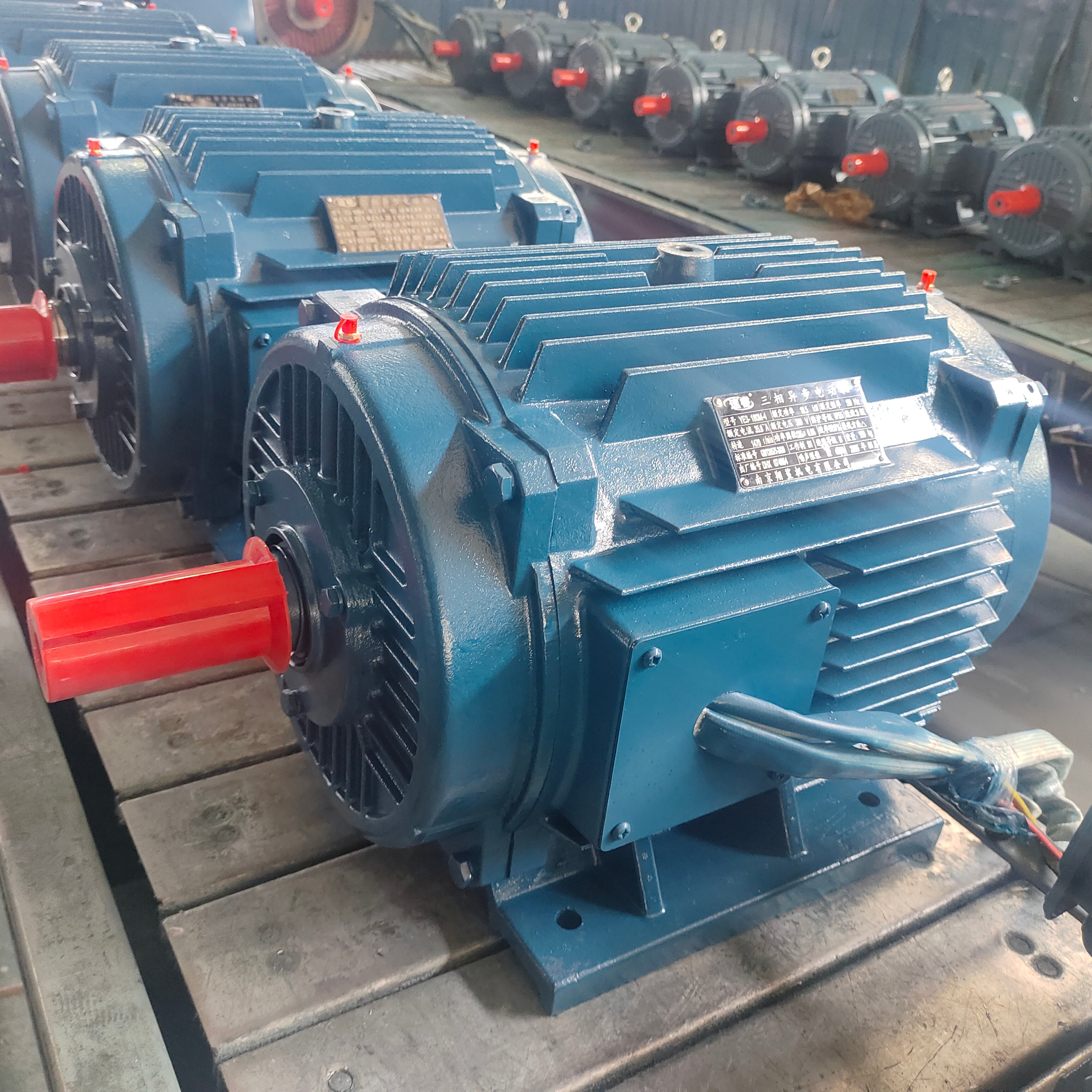
Electric motors serve as the backbone of modern industrial applications, powering everything from manufacturing equipment to conveyor systems. Among the various types available, asynchronous and synchronous motors represent two fundamental categories that engineers must understand when selecting the appropriate drive solution. The choice between these motor types significantly impacts system efficiency, operational costs, and performance characteristics across diverse industrial environments.
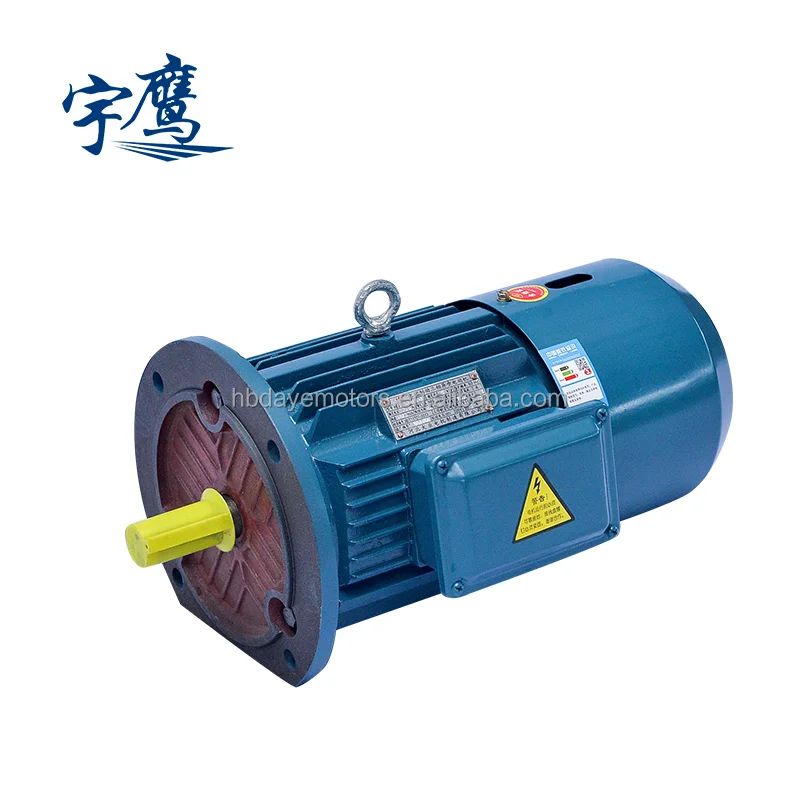
Understanding the distinctions between asynchronous and synchronous motors enables engineers and facility managers to make informed decisions that optimize both performance and cost-effectiveness. These motor technologies differ fundamentally in their operating principles, speed characteristics, and application suitability, making each type advantageous for specific industrial scenarios.
Operating Principles and Core Mechanisms
Asynchronous Motor Operation
An asynchronous motor operates through electromagnetic induction, where the rotating magnetic field generated by the stator windings induces currents in the rotor conductors. This induced current creates its own magnetic field that interacts with the stator field, producing the torque necessary for rotation. The key characteristic of this motor type is that the rotor speed always lags behind the synchronous speed of the rotating magnetic field.
The slip phenomenon defines the fundamental operation of asynchronous motors, representing the difference between synchronous speed and actual rotor speed. This slip is essential for torque production, as zero slip would eliminate the relative motion needed for electromagnetic induction. Typical slip values range from 2% to 5% under full load conditions, depending on motor design and operating characteristics.
Rotor construction in asynchronous motors typically features either squirrel cage or wound rotor designs. Squirrel cage rotors consist of aluminum or copper bars connected by end rings, creating a simple and robust structure. Wound rotors incorporate three-phase windings connected to slip rings, allowing external resistance insertion for speed control and improved starting characteristics.
Synchronous Motor Operation
Synchronous motors achieve rotation by maintaining perfect alignment between the rotor magnetic field and the stator rotating field. The rotor contains either permanent magnets or DC-excited electromagnets that lock onto the stator field, ensuring the rotor rotates at exactly the synchronous speed determined by supply frequency and pole count. This synchronization eliminates slip entirely under normal operating conditions.
Starting synchronous motors requires special consideration since they cannot develop starting torque when connected directly to AC supply. Most implementations utilize either pony motors, frequency converters, or damper windings to bring the rotor near synchronous speed before synchronization occurs. Once synchronized, the motor maintains constant speed regardless of load variations within its capability limits.
The excitation system in synchronous motors provides precise control over power factor and reactive power consumption. By adjusting the DC excitation current, operators can make the motor operate at leading, lagging, or unity power factor, offering valuable reactive power compensation capabilities for industrial power systems.
Speed and Performance Characteristics
Speed Regulation and Control
Asynchronous motor speed varies slightly with load due to the inherent slip characteristic. Under light loads, the motor operates closer to synchronous speed with minimal slip, while heavy loads increase slip and reduce operating speed. This natural speed variation typically ranges from 2% to 5%, providing some inherent overload protection but limiting precision speed applications.
Modern variable frequency drives enable precise asynchronous motor speed control by adjusting supply frequency and voltage. This technology transforms the asynchronous motor into a highly controllable drive system suitable for applications requiring variable speed operation, soft starting, and energy optimization across diverse operating conditions.
Speed control flexibility makes asynchronous motors particularly attractive for applications like pumps, fans, and conveyors where variable speed operation provides significant energy savings. The ability to match motor speed to actual demand rather than running at constant speed with throttling control often reduces energy consumption by 30% or more.
Torque Production and Efficiency
Torque characteristics differ significantly between motor types, with asynchronous motors providing excellent starting torque and overload capability. The slip-torque relationship creates a natural current limiting effect during starting, reducing the need for external starting equipment in many applications. Maximum torque typically occurs at 15% to 25% slip, providing substantial overload margin.
Synchronous motors deliver constant torque at synchronous speed but require careful attention to pull-out torque limits. Exceeding the maximum torque causes the motor to fall out of synchronism, requiring restart procedures. However, within operating limits, synchronous motors often achieve higher efficiency than comparable asynchronous motors, particularly in larger sizes.
Efficiency considerations favor synchronous motors in continuous duty applications where high efficiency justifies the additional complexity and cost. Premium efficiency asynchronous motors have narrowed this gap considerably, but synchronous motors still maintain an advantage in applications exceeding 500 horsepower where efficiency improvements translate to substantial operating cost savings.
Power Factor and Electrical Characteristics
Power Factor Performance
Asynchronous motor power factor varies with load, typically ranging from 0.3 to 0.4 at light loads to 0.85 to 0.9 at full load. This lagging power factor characteristic requires reactive power from the electrical system, potentially increasing utility costs and requiring power factor correction equipment. The magnetizing current needed for flux establishment remains relatively constant regardless of mechanical load.
Power factor correction becomes particularly important in facilities with multiple asynchronous motors, as the cumulative reactive power demand can result in utility penalty charges. Capacitor banks, synchronous condensers, or active power factor correction systems help mitigate these issues, but add complexity and cost to the electrical infrastructure.
Load-dependent power factor characteristics also affect electrical system sizing requirements. Transformers, switchgear, and conductors must handle the reactive current component in addition to active power, increasing infrastructure costs compared to unity power factor loads.
Synchronous Motor Power Factor Advantages
Synchronous motors offer controllable power factor through excitation adjustment, enabling operation at unity power factor or even leading power factor for reactive power generation. This capability provides significant value in industrial facilities by improving overall system power factor and reducing utility costs while eliminating the need for separate power factor correction equipment.
Over-excitation allows synchronous motors to operate as synchronous condensers, supplying reactive power to the electrical system. This dual functionality combines mechanical drive capability with reactive power compensation, optimizing both motor performance and overall facility electrical efficiency in a single device.
Voltage regulation benefits emerge from synchronous motor reactive power capability, particularly in weak electrical systems or locations distant from utility sources. The motor can provide voltage support during system disturbances, enhancing overall electrical system stability and reliability.
Installation and Maintenance Requirements
Installation Complexity and Considerations
Asynchronous motor installation typically requires minimal complexity, with straightforward electrical connections and standard mounting procedures. Most asynchronous motors can connect directly to the power system through simple contactors or soft starters, reducing installation time and complexity. The robust construction and simple electrical requirements make asynchronous motors suitable for harsh industrial environments.
Alignment requirements for asynchronous motors follow standard industrial practices, with typical tolerances accommodating minor misalignment without significant performance degradation. The absence of slip rings or commutators in squirrel cage designs eliminates many potential maintenance points, contributing to reliable operation in demanding applications.
Environmental considerations favor asynchronous motors in applications involving dust, moisture, or corrosive atmospheres. Enclosed construction options protect internal components while maintaining heat dissipation, and the absence of external electrical connections reduces contamination risks compared to wound rotor or synchronous motor designs.
Maintenance and Service Requirements
Routine maintenance for asynchronous motors focuses primarily on bearing lubrication, insulation monitoring, and mechanical alignment verification. The simple construction minimizes maintenance requirements, with many motors operating reliably for decades with only basic preventive maintenance procedures. Bearing replacement represents the most common maintenance activity over the motor lifespan.
Synchronous motors require additional maintenance attention due to the excitation system, slip rings, and more complex control requirements. Regular inspection of brush assemblies, slip ring surfaces, and excitation equipment adds to maintenance complexity and cost. However, this additional maintenance often proves worthwhile in applications where the performance benefits justify the increased attention.
Predictive maintenance techniques benefit both motor types but prove particularly valuable for synchronous motors due to their higher complexity and cost. Vibration analysis, thermal imaging, and electrical signature analysis help identify developing issues before they result in costly failures or extended downtime.
Cost Analysis and Economic Considerations
Initial Investment and Procurement
Purchase price typically favors asynchronous motors due to simpler construction and higher production volumes. The widespread use of asynchronous motors in industrial applications creates economies of scale that reduce manufacturing costs and provide competitive pricing across most size ranges. Standard designs offer immediate availability with minimal lead times.
Synchronous motors command premium pricing due to more complex construction, excitation systems, and typically lower production volumes. The additional components required for synchronous operation, including exciters, slip rings, and control systems, contribute to higher initial costs that must be justified through operational benefits or specific application requirements.
Supporting equipment costs also differ between motor types, with asynchronous motors requiring simpler control systems and potentially power factor correction equipment. Synchronous motors need excitation control systems but eliminate power factor correction requirements, creating a complex cost comparison that depends on specific application circumstances and facility electrical characteristics.
Operating Cost Implications
Energy efficiency differences become significant in continuous operation applications, where small efficiency improvements translate to substantial cost savings over the motor lifespan. Synchronous motors often provide 1% to 3% higher efficiency than comparable asynchronous motors, potentially justifying higher initial costs through reduced operating expenses.
Power factor benefits from synchronous motors reduce utility costs in facilities subject to demand charges or power factor penalties. The ability to operate at unity or leading power factor eliminates reactive power charges and may reduce electrical infrastructure requirements, providing both immediate and long-term economic benefits.
Maintenance costs tend to favor asynchronous motors due to simpler construction and fewer wearing components. However, the longer lifespan often achieved by properly maintained synchronous motors can offset higher maintenance costs through extended service intervals and reduced replacement frequency.
Application-Specific Selection Criteria
Industrial Process Applications
Constant speed applications such as air compressors, large fans, and pumps often benefit from synchronous motor characteristics. The precise speed regulation and high efficiency make synchronous motors particularly attractive for critical process equipment where speed accuracy and energy efficiency are paramount. Large horsepower applications amplify the efficiency benefits, making synchronous motors economically attractive despite higher initial costs.
Variable speed requirements typically favor asynchronous motors with variable frequency drive control. The combination provides excellent speed regulation, energy optimization, and process control capabilities across a wide operating range. Applications like conveyor systems, mixing equipment, and material handling benefit from the flexible speed control and robust overload characteristics.
Power quality sensitive applications may prefer synchronous motors for their reactive power compensation capabilities. Facilities with multiple motors, weak electrical supplies, or utility power factor requirements often find synchronous motors provide system-wide benefits beyond the individual motor application.
Environmental and Operational Factors
Harsh environment applications typically favor asynchronous motors due to their simpler construction and absence of slip rings or external electrical connections. Mining, chemical processing, and outdoor applications benefit from the robust design and minimal maintenance requirements of squirrel cage asynchronous motors.
Critical applications requiring maximum reliability may justify synchronous motors despite higher complexity, particularly when combined with redundant excitation systems and comprehensive monitoring equipment. The precise speed control and high efficiency can prove valuable in applications where downtime costs exceed the premium for synchronous motor technology.
Startup requirements influence motor selection, with asynchronous motors providing inherent starting torque while synchronous motors require special starting arrangements. Applications with frequent starts or difficult starting conditions often favor asynchronous motors for their operational simplicity and reliability.
FAQ
What is the main difference between asynchronous and synchronous motors?
The fundamental difference lies in rotor speed relative to the magnetic field. Asynchronous motors operate with slip, meaning the rotor speed is slightly less than the synchronous speed of the magnetic field. Synchronous motors maintain rotor speed exactly equal to the magnetic field speed, achieving perfect synchronization. This difference affects efficiency, speed regulation, and power factor characteristics significantly.
Which motor type offers better energy efficiency?
Synchronous motors typically achieve higher efficiency, particularly in larger sizes above 500 horsepower. The efficiency advantage ranges from 1% to 3% compared to asynchronous motors, primarily due to the absence of rotor losses associated with slip. However, modern premium efficiency asynchronous motors have narrowed this gap considerably, making the efficiency difference less significant in smaller motor sizes.
Why do asynchronous motors have lower power factors than synchronous motors?
Asynchronous motors require magnetizing current to establish the magnetic field in the rotor through induction, creating reactive power demand that reduces power factor. This magnetizing current remains relatively constant regardless of mechanical load, causing particularly poor power factor at light loads. Synchronous motors use DC excitation to create the rotor magnetic field, eliminating induction losses and enabling controllable power factor through excitation adjustment.
Which motor type requires more maintenance?
Asynchronous motors, particularly squirrel cage designs, require minimal maintenance due to their simple construction with no slip rings, brushes, or external electrical connections. Maintenance focuses mainly on bearing lubrication and basic mechanical checks. Synchronous motors require additional attention to excitation systems, slip rings, and brush assemblies, increasing maintenance complexity and frequency. However, this additional maintenance often extends motor lifespan when performed properly.