
 EN
EN
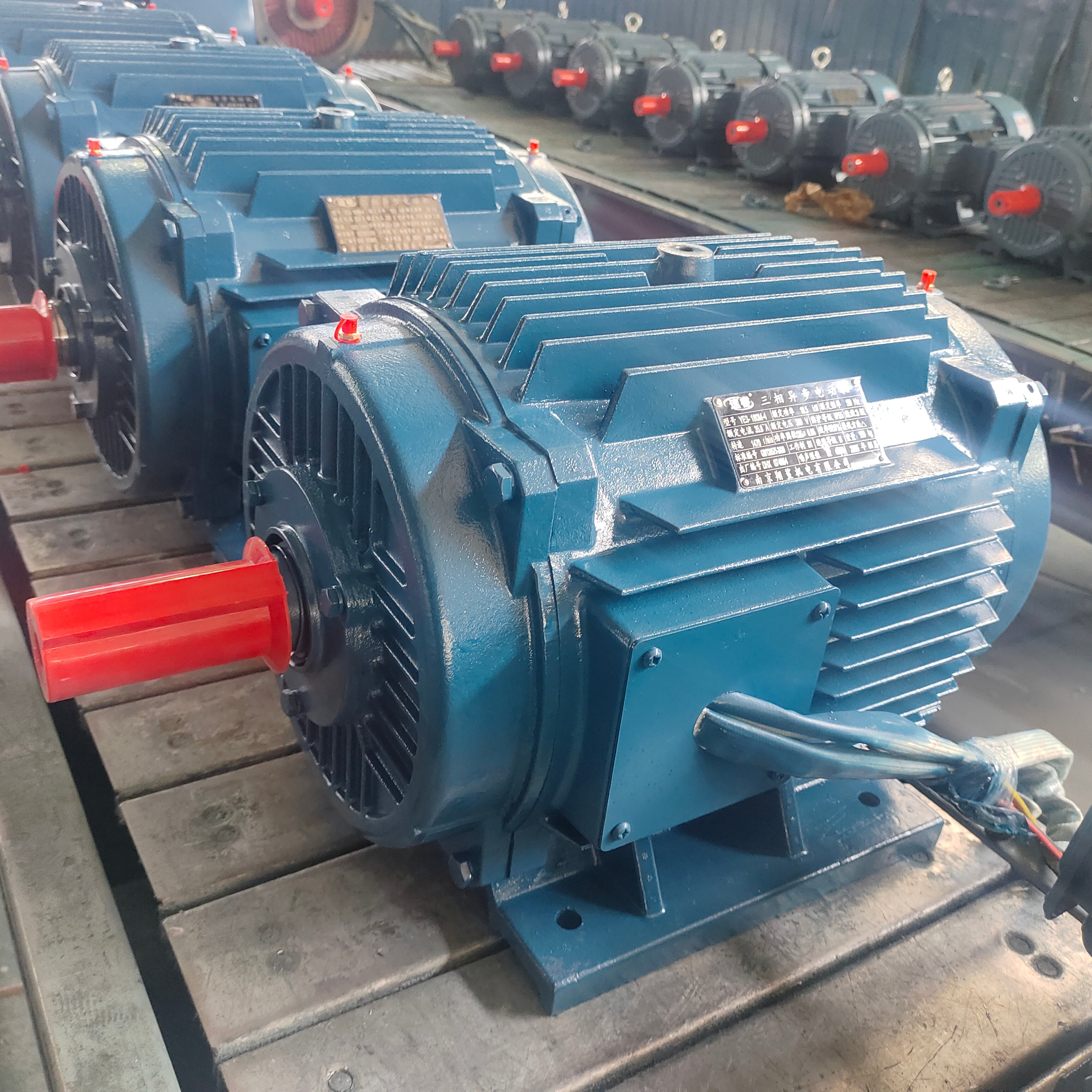
Industrial operations worldwide depend heavily on reliable and efficient motor systems to drive their critical processes. Among the various motor technologies available, the asynchronous motor stands as the backbone of modern industrial applications due to its robust design, cost-effectiveness, and exceptional reliability. These motors, also known as induction motors, have revolutionized manufacturing processes across diverse sectors by providing consistent performance in demanding environments. Understanding the top applications of asynchronous motors helps engineers and facility managers make informed decisions about equipment selection for their specific industrial needs.

Manufacturing and Production Line Applications
Conveyor Belt Systems
Manufacturing facilities extensively utilize asynchronous motors to power conveyor belt systems that transport materials and finished products throughout production lines. These motors provide the consistent torque and speed control necessary for maintaining smooth material flow in automotive assembly plants, food processing facilities, and packaging operations. The inherent simplicity of asynchronous motor design makes them ideal for continuous duty applications where reliability is paramount. Their ability to operate efficiently under varying load conditions ensures optimal performance even when conveyor systems experience fluctuating material weights and transport speeds.
The durability of asynchronous motors in conveyor applications stems from their robust construction and minimal maintenance requirements. Unlike synchronous motors that require precise speed synchronization, asynchronous motors naturally adapt to load variations while maintaining stable operation. This characteristic proves invaluable in manufacturing environments where conveyor systems must handle diverse product types and weights throughout production cycles. Additionally, the cost-effectiveness of asynchronous motors makes them the preferred choice for large-scale conveyor installations where multiple units are required.
Industrial Machinery Drive Systems
Complex industrial machinery relies heavily on asynchronous motors for powering various mechanical components including pumps, compressors, and processing equipment. These motors excel in applications requiring moderate to high horsepower output with excellent starting torque characteristics. Manufacturing plants use asynchronous motors to drive injection molding machines, printing presses, and textile manufacturing equipment where precise speed control and reliable operation are essential. The versatility of these motors allows engineers to select appropriate ratings and configurations to match specific machinery requirements.
The electromagnetic brake feature available in certain asynchronous motor configurations enhances safety and control in industrial machinery applications. This functionality proves critical in equipment where rapid stopping is necessary for operator safety or process control. Modern asynchronous motor designs incorporate advanced materials and manufacturing techniques that extend service life while reducing energy consumption, making them increasingly attractive for sustainability-focused manufacturing operations.
HVAC and Building Infrastructure
Ventilation Fan Systems
Commercial and industrial buildings depend on asynchronous motors to power large-scale ventilation systems that maintain indoor air quality and temperature control. These motors drive centrifugal and axial fans in HVAC systems, providing the airflow necessary for comfortable working environments and process cooling. The reliable operation of asynchronous motors ensures consistent air circulation in office buildings, warehouses, and manufacturing facilities where air quality directly impacts worker productivity and equipment performance. Their ability to operate continuously without significant maintenance makes them ideal for critical ventilation applications.
Energy efficiency considerations have made asynchronous motors increasingly important in modern HVAC design as building operators seek to reduce operational costs while maintaining performance standards. Variable frequency drives paired with asynchronous motors enable precise speed control that optimizes energy consumption based on actual ventilation requirements. This combination allows building management systems to automatically adjust fan speeds according to occupancy levels, outdoor temperature conditions, and air quality measurements, resulting in significant energy savings compared to constant-speed alternatives.
Chiller and Cooling System Applications
Large-scale cooling systems in commercial and industrial facilities utilize powerful asynchronous motors to drive compressors and circulation pumps that maintain precise temperature control. These applications require motors capable of handling high starting currents and continuous operation under varying thermal loads. Asynchronous motors provide the reliability necessary for critical cooling applications in data centers, pharmaceutical manufacturing, and food processing where temperature deviations can result in significant operational losses or product quality issues.
The robust design of asynchronous motors makes them particularly suitable for chiller applications where motors must operate in challenging environmental conditions including temperature fluctuations, humidity, and vibration. Modern chiller systems incorporate sophisticated control algorithms that optimize compressor operation based on cooling demand, requiring motors that can respond effectively to frequent start-stop cycles and variable loading conditions. The proven track record of asynchronous motors in these demanding applications has established them as the standard choice for commercial refrigeration and process cooling systems.
Water Treatment and Pumping Systems
Water Supply and Distribution
Municipal water treatment facilities and industrial water supply systems rely extensively on asynchronous motors to power centrifugal pumps that move water through filtration, treatment, and distribution networks. These motors must operate reliably in humid environments while providing consistent flow rates and pressure levels required for effective water treatment processes. The inherent overload protection characteristics of asynchronous motors help prevent damage during pump cavitation or blockage conditions that commonly occur in water handling applications.
Water distribution networks require pumping systems capable of maintaining consistent pressure across extensive pipeline networks serving residential, commercial, and industrial customers. Asynchronous motors power booster pumps, transfer pumps, and high-pressure pumps that ensure adequate water delivery throughout distribution systems. The ability of these motors to operate efficiently across a wide range of flow conditions makes them ideal for applications where water demand varies significantly throughout daily operational cycles.
Wastewater Treatment Applications
Wastewater treatment facilities utilize asynchronous motors to power various process equipment including aerators, clarifiers, and sludge handling systems that remove contaminants from municipal and industrial wastewater streams. These motors must withstand corrosive environments while maintaining reliable operation essential for meeting environmental discharge standards. The robust construction of asynchronous motors, combined with appropriate protective enclosures, ensures long service life in challenging wastewater treatment environments.
Advanced wastewater treatment processes require precise control of aeration systems to optimize biological treatment efficiency while minimizing energy consumption. Asynchronous motors driving blowers and diffuser systems provide the consistent air supply necessary for activated sludge processes and biological nutrient removal. The reliability of these motors is critical for maintaining continuous treatment operations that protect public health and environmental quality in communities served by wastewater treatment facilities.
Material Handling and Mining Operations
Conveyor and Transport Systems
Mining and bulk material handling operations depend on heavy-duty asynchronous motors to power extensive conveyor systems that transport raw materials, processed products, and waste materials across mining sites and processing facilities. These motors must provide high torque output while operating in dusty, abrasive environments that challenge motor durability and performance. The rugged construction of industrial-grade asynchronous motors enables reliable operation in mining applications where equipment failure can result in significant production losses and safety hazards.
Long-distance conveyor systems in mining operations require motors capable of maintaining consistent belt speed while handling varying material loads and environmental conditions. Asynchronous motors excel in these applications due to their ability to provide stable torque output across a wide operating range without requiring complex speed synchronization systems. The availability of explosion-proof and dust-tight motor enclosures makes asynchronous motors suitable for hazardous mining environments where safety regulations require specialized equipment protection.
Crushing and Processing Equipment
Mineral processing facilities utilize powerful asynchronous motors to drive crushers, mills, and separators that reduce raw materials to specified sizes for further processing or shipping. These applications require motors with exceptional starting torque capabilities to overcome the high inertial loads associated with heavy crushing equipment. The ability of asynchronous motors to develop maximum torque during startup makes them ideal for driving ball mills, jaw crushers, and cone crushers used in mineral processing operations.
Processing equipment in mining operations often operates under severe mechanical stress and environmental conditions that test motor durability and reliability. Asynchronous motors designed for mining applications incorporate reinforced bearings, enhanced cooling systems, and protective enclosures that extend service life while minimizing maintenance requirements. The cost-effectiveness of asynchronous motors compared to alternative motor technologies makes them the preferred choice for large-scale mining operations where multiple high-horsepower motors are required.
Agricultural and Food Processing
Irrigation and Water Management
Modern agricultural operations utilize asynchronous motors to power irrigation pumps that deliver water to crops across extensive farmland areas. These motors must operate efficiently in outdoor environments while providing reliable water delivery essential for crop production. The durability of asynchronous motors makes them suitable for irrigation applications where equipment must withstand temperature extremes, dust, and moisture while maintaining consistent performance throughout growing seasons.
Large-scale irrigation systems require pumping equipment capable of delivering water at specific pressures and flow rates to optimize crop growth and water conservation. Asynchronous motors driving centrifugal and turbine pumps provide the reliable operation necessary for precision agriculture applications where water management directly impacts crop yields and resource efficiency. The availability of weather-resistant motor enclosures ensures reliable operation in agricultural environments where equipment exposure to elements is unavoidable.
Food Processing and Packaging
Food processing facilities depend on asynchronous motors to power mixing equipment, conveyor systems, and packaging machinery that transform raw agricultural products into finished food items. These motors must meet strict hygiene standards while providing reliable operation in food-grade environments where contamination prevention is critical. The smooth operation characteristics of asynchronous motors make them ideal for applications requiring precise speed control to maintain product quality and consistency in food processing operations.
Packaging equipment in food processing facilities requires motors capable of maintaining accurate timing and positioning to ensure proper package filling, sealing, and labeling. Asynchronous motors provide the consistent performance necessary for high-speed packaging lines where production efficiency directly impacts facility profitability. The ability of these motors to integrate with modern control systems enables automated packaging processes that minimize labor requirements while maintaining food safety standards essential for consumer protection.
FAQ
What are the main advantages of using asynchronous motors in industrial applications
Asynchronous motors offer several key advantages including robust construction, low maintenance requirements, cost-effectiveness, and excellent reliability in demanding industrial environments. Their simple design eliminates the need for brushes or slip rings, reducing wear components and extending service life. These motors also provide good starting torque characteristics and can operate efficiently across varying load conditions, making them versatile for diverse industrial applications.
How do asynchronous motors compare to synchronous motors for industrial use
Asynchronous motors are generally more cost-effective and require less maintenance than synchronous motors, making them preferred for most industrial applications. While synchronous motors offer precise speed control and higher efficiency at full load, asynchronous motors provide greater operational flexibility and reliability. Asynchronous motors also handle load variations better and do not require complex excitation systems, simplifying installation and operation in industrial environments.
What factors should be considered when selecting an asynchronous motor for industrial applications
Key selection factors include power requirements, operating environment, duty cycle, starting torque needs, and efficiency requirements. Consider the motor enclosure type based on environmental conditions, voltage and frequency compatibility with existing electrical systems, and mounting configuration for proper installation. Additional factors include brake requirements for safety applications, explosion-proof ratings for hazardous locations, and variable speed drive compatibility for applications requiring speed control.
What maintenance practices help extend asynchronous motor service life in industrial applications
Regular maintenance practices include periodic bearing lubrication, vibration monitoring, thermal inspection, and electrical connection tightening. Keep motor ventilation areas clean and free from debris to ensure proper cooling, and monitor operating current and temperature to detect potential issues early. Schedule periodic insulation resistance testing and bearing replacement based on operating hours and environmental conditions to prevent unexpected failures and maintain reliable operation.
Table of Contents
- Manufacturing and Production Line Applications
- HVAC and Building Infrastructure
- Water Treatment and Pumping Systems
- Material Handling and Mining Operations
- Agricultural and Food Processing
-
FAQ
- What are the main advantages of using asynchronous motors in industrial applications
- How do asynchronous motors compare to synchronous motors for industrial use
- What factors should be considered when selecting an asynchronous motor for industrial applications
- What maintenance practices help extend asynchronous motor service life in industrial applications