Advanced Squeezing Die Casting Technology: Superior Manufacturing Solutions for Precision Components

All Categories

squeezing die casting

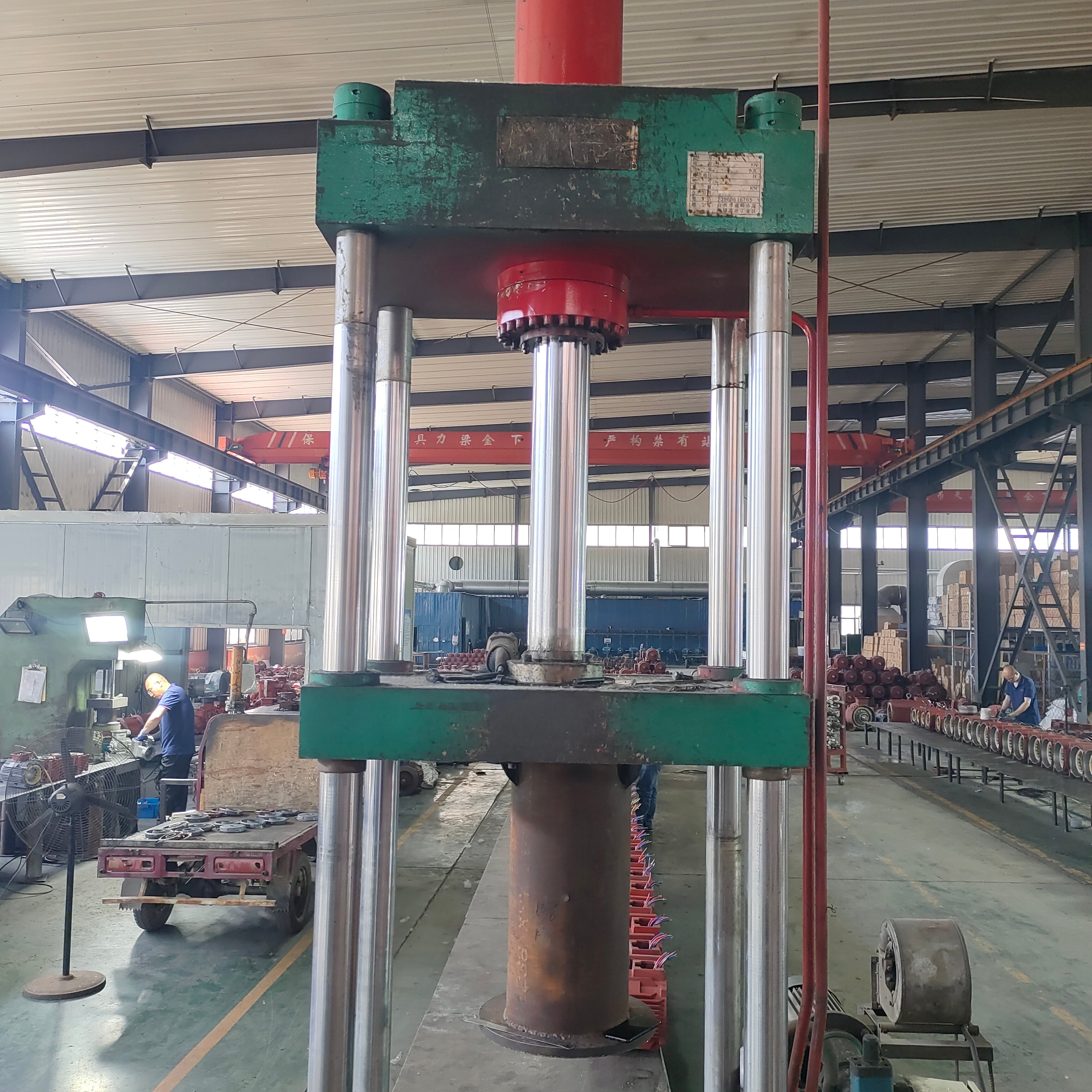
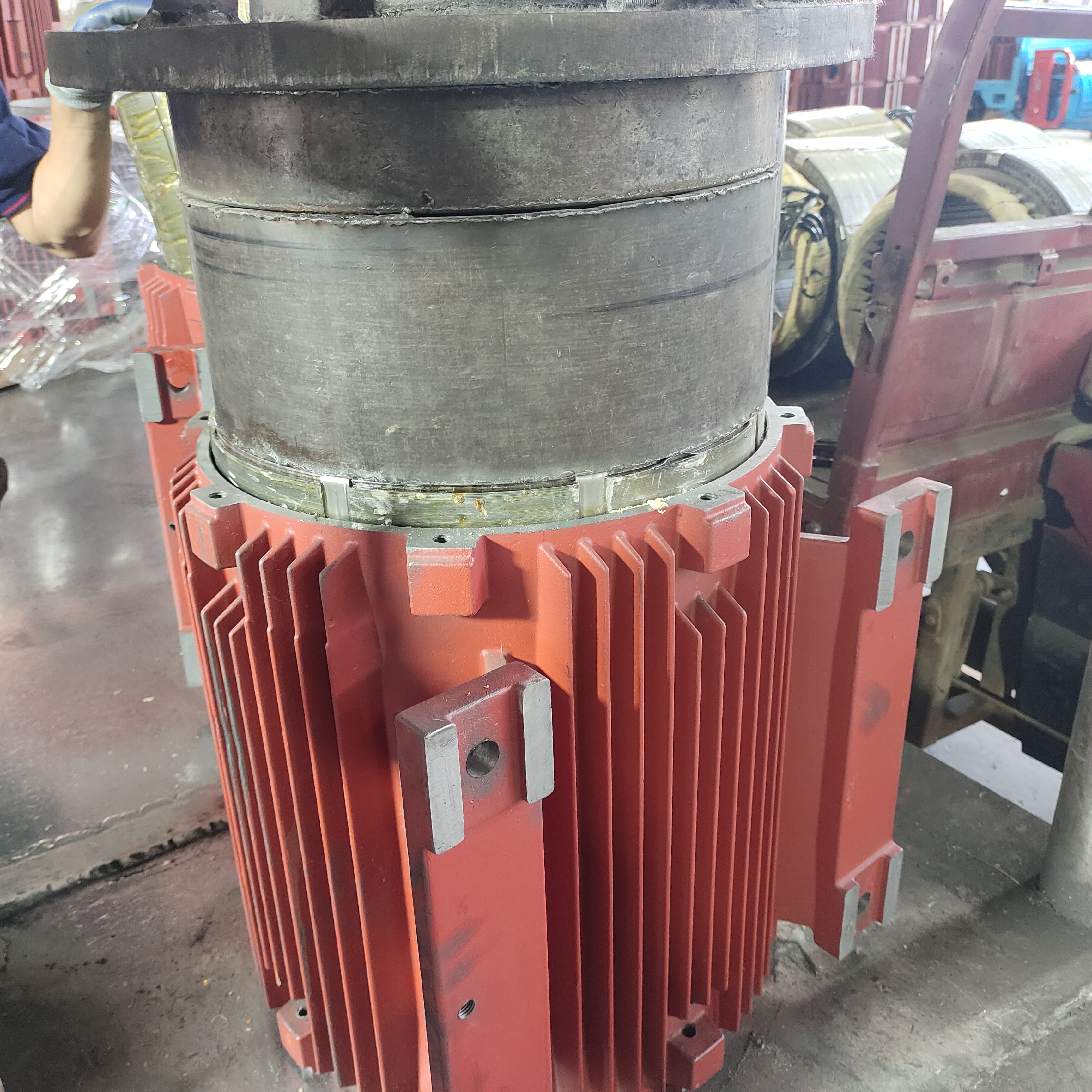
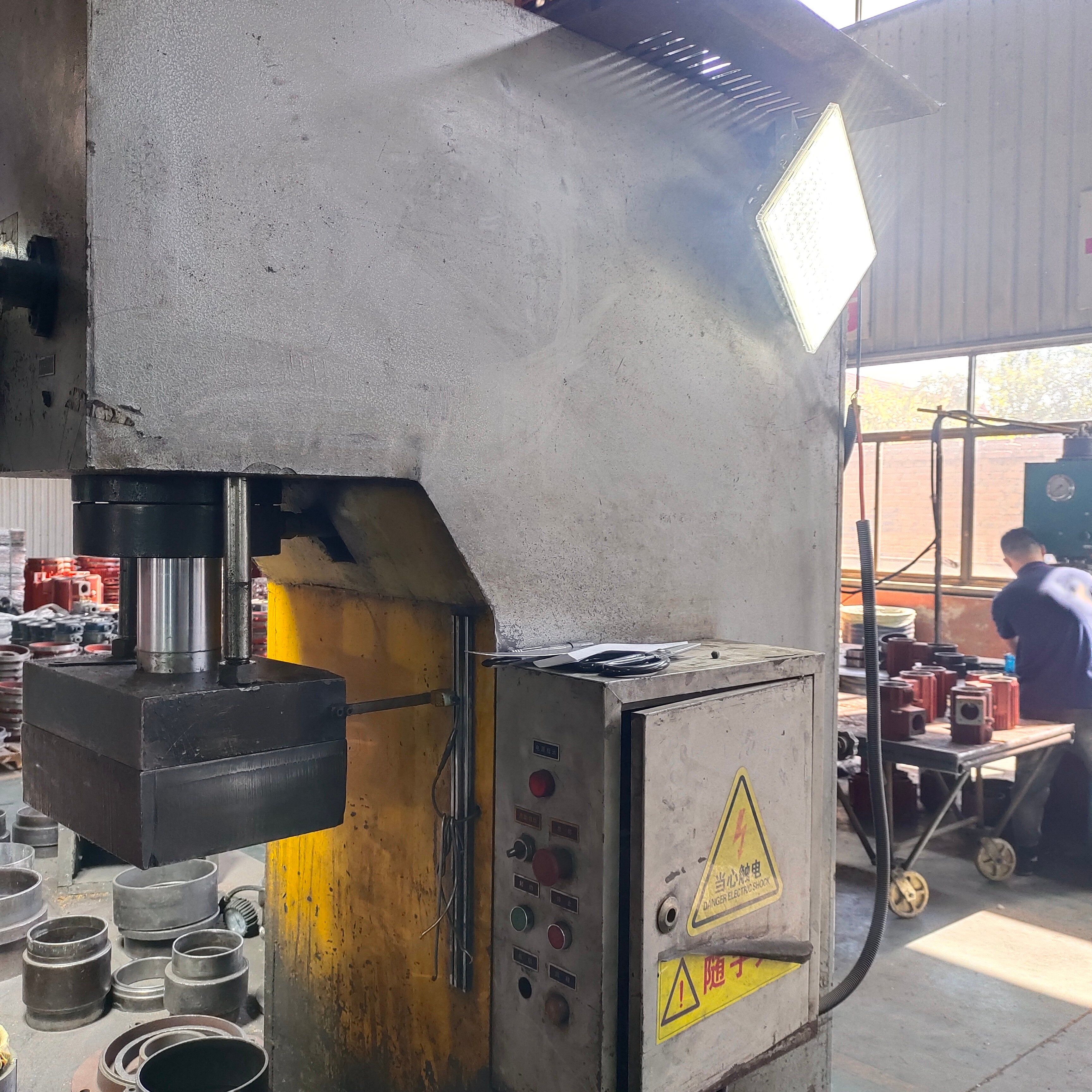
Squeezing die casting represents a revolutionary manufacturing process that combines the precision of traditional die casting with enhanced pressure application techniques. This advanced metalworking method involves forcing molten metal into precision-engineered molds under extremely high pressure, typically ranging from 50 to 150 MPa. The process begins with heating metal alloys to their optimal casting temperature, followed by injecting the liquid material into specially designed dies. What distinguishes squeezing die casting from conventional methods is its ability to maintain consistent pressure throughout the solidification phase, resulting in superior material density and mechanical properties. The technology employs sophisticated hydraulic systems that deliver controlled force distribution across the entire casting surface. During the squeezing phase, additional pressure eliminates porosity and ensures complete mold cavity filling, even in complex geometrical configurations. Temperature control systems monitor thermal conditions continuously, preventing premature solidification and maintaining optimal flow characteristics. Modern squeezing die casting equipment features computer-controlled automation that manages timing, pressure levels, and cooling cycles with remarkable precision. The dies themselves are constructed from high-grade tool steels and undergo specialized heat treatment processes to withstand repeated exposure to molten metals and intense pressures. Surface treatments and coatings extend die life while improving part surface quality. Applications span numerous industries including automotive manufacturing, aerospace components, electronics housings, and medical device production. The automotive sector particularly benefits from this technology for producing lightweight yet strong structural components, engine parts, and transmission housings. Aerospace applications leverage the process for creating critical components that demand exceptional strength-to-weight ratios and dimensional accuracy. Electronic device manufacturers utilize squeezing die casting for producing heat sinks, connector housings, and electromagnetic shielding components that require precise tolerances and excellent thermal conductivity properties.

New Products

Squeezing die casting offers remarkable advantages that transform manufacturing capabilities and deliver exceptional value to businesses across multiple industries. The primary benefit lies in achieving superior material density compared to conventional casting methods. This enhanced density translates directly into stronger, more durable components that withstand greater mechanical stress and environmental challenges. Manufacturers consistently report improved tensile strength values exceeding traditional casting results by 20-30 percent, providing significant performance advantages in demanding applications. The process eliminates virtually all porosity issues that plague standard die casting operations. By maintaining continuous pressure during solidification, the technology forces out trapped gases and ensures complete material consolidation. This results in components with uniform microstructure and predictable mechanical properties throughout the entire part geometry. Quality control becomes more manageable as dimensional variations decrease substantially, leading to higher production yields and reduced scrap rates. Cost efficiency emerges as another compelling advantage, particularly for high-volume production runs. The enhanced material properties often eliminate the need for secondary machining operations or post-casting treatments, reducing overall manufacturing time and labor costs. Tool life extends significantly due to controlled pressure application and optimized thermal cycling, spreading die investment costs across larger production quantities. Energy consumption per part typically decreases as the process operates at higher efficiency levels compared to alternative manufacturing methods. Surface finish quality reaches exceptional standards without requiring additional processing steps. Parts emerge from the dies with smooth, consistent surfaces that often meet final specification requirements immediately. This eliminates grinding, polishing, or other finishing operations that add cost and complexity to traditional manufacturing workflows. Design flexibility increases dramatically as the technology handles complex geometries with thin walls, intricate internal features, and sharp detail reproduction. Engineers gain freedom to optimize component designs for performance rather than manufacturing constraints. The process accommodates various alloy compositions, allowing material selection based on application requirements rather than processing limitations. Production speed advantages become apparent in high-volume manufacturing scenarios where consistent cycle times and automated operation maximize throughput while maintaining quality standards.

Latest News

Variable Frequency Motors: Enhancing Speed Control in Industrial Processes

22

Aug

Variable Frequency Motors: Enhancing Speed Control in Industrial Processes

Variable Frequency Motors: Enhancing Speed Control in Industrial Processes Introduction to Variable Frequency Motors In the modern industrial landscape, efficiency and adaptability are more important than ever. Machines that once relied on fixed-spee...
View More
How Variable Frequency Motors Improve Machine Performance

22

Aug

How Variable Frequency Motors Improve Machine Performance

How Variable Frequency Motors Improve Machine Performance Introduction to Variable Frequency Motors The industrial sector has always relied heavily on electric motors to power machinery, drive production systems, and support critical processes. Tradi...
View More
Ultimate Guide to Die Casting Materials and Applications

27

Nov

Ultimate Guide to Die Casting Materials and Applications

Die casting represents one of the most versatile and efficient manufacturing processes in modern industry, enabling the production of complex metal components with exceptional precision and repeatability. This advanced manufacturing technique involve...
View More
2025 Industrial Motor Trends: What's New in Manufacturing

27

Nov

2025 Industrial Motor Trends: What's New in Manufacturing

The manufacturing landscape is experiencing a revolutionary transformation as we advance through 2025, with industrial motor technology at the forefront of innovation. Modern manufacturing facilities are increasingly dependent on advanced motor syste...
View More

Get a Free Quote

Our representative will contact you soon.
Email
Name
Company Name
Message
0/1000

squeezing die casting

Exceptional Structural Integrity Through Advanced Pressure Technology

Exceptional Structural Integrity Through Advanced Pressure Technology

Squeezing die casting revolutionizes component strength through its innovative pressure application system that fundamentally transforms material properties during the solidification process. This advanced technology applies sustained pressure levels ranging from 50 to 150 MPa throughout the entire cooling cycle, creating an environment where molten metal achieves maximum density potential. The continuous pressure eliminates microscopic voids and gas pockets that typically compromise structural integrity in conventional casting methods. This results in components with homogeneous material distribution and exceptional mechanical properties that consistently exceed industry standards. The pressure system operates through precisely controlled hydraulic mechanisms that distribute force evenly across complex geometries, ensuring uniform density regardless of part complexity or wall thickness variations. Advanced sensors monitor pressure levels in real-time, making automatic adjustments to maintain optimal conditions throughout each casting cycle. This technological sophistication produces components with tensile strength improvements of 20-30 percent compared to traditional methods, while simultaneously enhancing fatigue resistance and impact strength characteristics. The enhanced structural integrity proves particularly valuable in critical applications where component failure could result in safety hazards or expensive equipment damage. Automotive manufacturers leverage this capability for producing engine blocks, transmission cases, and suspension components that must withstand extreme operating conditions over extended service life. Aerospace applications benefit from the superior strength-to-weight ratios achieved through this process, enabling lighter aircraft components without sacrificing structural reliability. Medical device manufacturers depend on this technology for creating implantable components and surgical instruments where material consistency and biocompatibility are paramount. The pressure technology also enables successful casting of thin-walled components that would be impossible with conventional methods, opening new design possibilities for weight reduction and material optimization initiatives.
Superior Surface Quality and Dimensional Precision

Superior Surface Quality and Dimensional Precision

The squeezing die casting process delivers unparalleled surface quality and dimensional accuracy that eliminates costly secondary operations while ensuring consistent part-to-part repeatability. This remarkable precision stems from the controlled pressure environment that forces molten metal into complete contact with die surfaces, capturing even the finest details with exceptional fidelity. The sustained pressure throughout solidification prevents shrinkage defects and surface irregularities that commonly affect traditional casting methods. Modern squeezing die casting systems achieve dimensional tolerances within ±0.1mm across complex geometries, rivaling precision machining operations while maintaining the cost advantages of casting processes. The superior surface finish quality typically ranges from 1.6 to 3.2 Ra micrometers, often meeting final specification requirements without additional processing. This exceptional surface quality results from optimal die design combined with controlled metal flow patterns that prevent turbulence and oxide formation. Advanced die materials and surface treatments further enhance the finish quality while extending tool life for sustained production excellence. The dimensional stability achieved through this process proves invaluable for components requiring precise fit and assembly characteristics. Electronic housings, connector components, and precision mechanical parts benefit tremendously from this capability, as tight tolerances ensure proper function and assembly efficiency. The consistent repeatability eliminates the need for extensive quality control sorting operations, reducing production costs and delivery times. Automotive manufacturers particularly value this precision for producing transmission components, engine parts, and structural elements where dimensional accuracy directly impacts performance and reliability. The process accommodates complex internal geometries, undercuts, and intricate features that would require multiple machining operations if produced through conventional methods. This design flexibility enables engineers to optimize component functionality while maintaining manufacturing efficiency. Quality documentation becomes simplified as process control parameters ensure predictable results, supporting certification requirements in regulated industries such as aerospace and medical device manufacturing.
Enhanced Production Efficiency and Cost Optimization

Enhanced Production Efficiency and Cost Optimization

Squeezing die casting transforms manufacturing economics through remarkable production efficiency gains and comprehensive cost optimization strategies that benefit businesses across diverse industrial sectors. The technology achieves faster cycle times compared to alternative manufacturing methods while simultaneously improving material utilization rates and reducing waste generation. Advanced automation systems integrate seamlessly with squeezing die casting equipment, enabling lights-out production capabilities that maximize equipment utilization and minimize labor costs. The process typically completes casting cycles 25-40 percent faster than conventional methods due to optimized thermal management and controlled solidification parameters. This speed advantage translates directly into higher daily production volumes and improved return on manufacturing investments. Energy efficiency improvements result from the process operating at optimal thermal conditions with minimal heat loss and reduced reheating requirements. The enhanced material properties achieved through squeezing die casting often eliminate expensive secondary operations such as heat treatment, machining, or surface coating applications. Components emerge from the dies meeting final specifications, reducing handling costs and shortening production lead times significantly. Die life extends substantially due to controlled pressure application and optimized thermal cycling, spreading tooling costs across larger production quantities while maintaining consistent part quality. The predictable process parameters simplify production planning and inventory management, reducing working capital requirements and improving cash flow characteristics. Quality consistency eliminates costly scrap and rework operations that plague conventional manufacturing processes, improving overall equipment effectiveness and profitability metrics. Raw material utilization improves dramatically as the process minimizes material waste through precise shot control and optimized runner systems. The technology accommodates recycled materials effectively, supporting sustainability initiatives while reducing material costs. Setup times decrease substantially due to standardized process parameters and automated control systems, enabling efficient production of smaller batch quantities when market conditions demand flexibility. Maintenance requirements diminish as the controlled operating environment reduces wear on critical components, lowering operational costs and improving equipment reliability for sustained production excellence.
Advanced Squeezing Die Casting Technology: Superior Manufacturing Solutions for Precision Components

Get a Free Quote

Our representative will contact you soon.
Email
Name
Company Name
Message
0/1000