Unmatched Speed Precision and Consistency
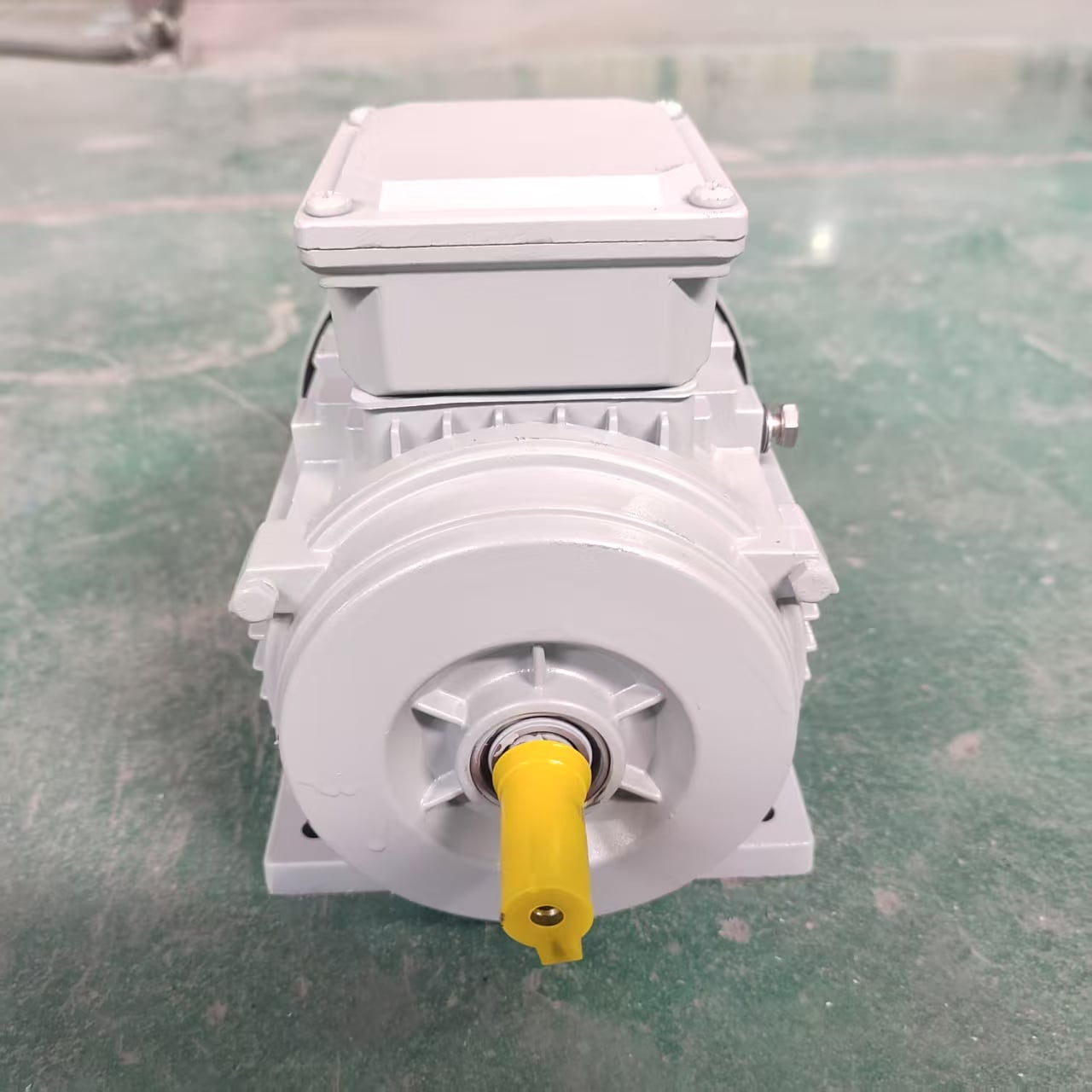
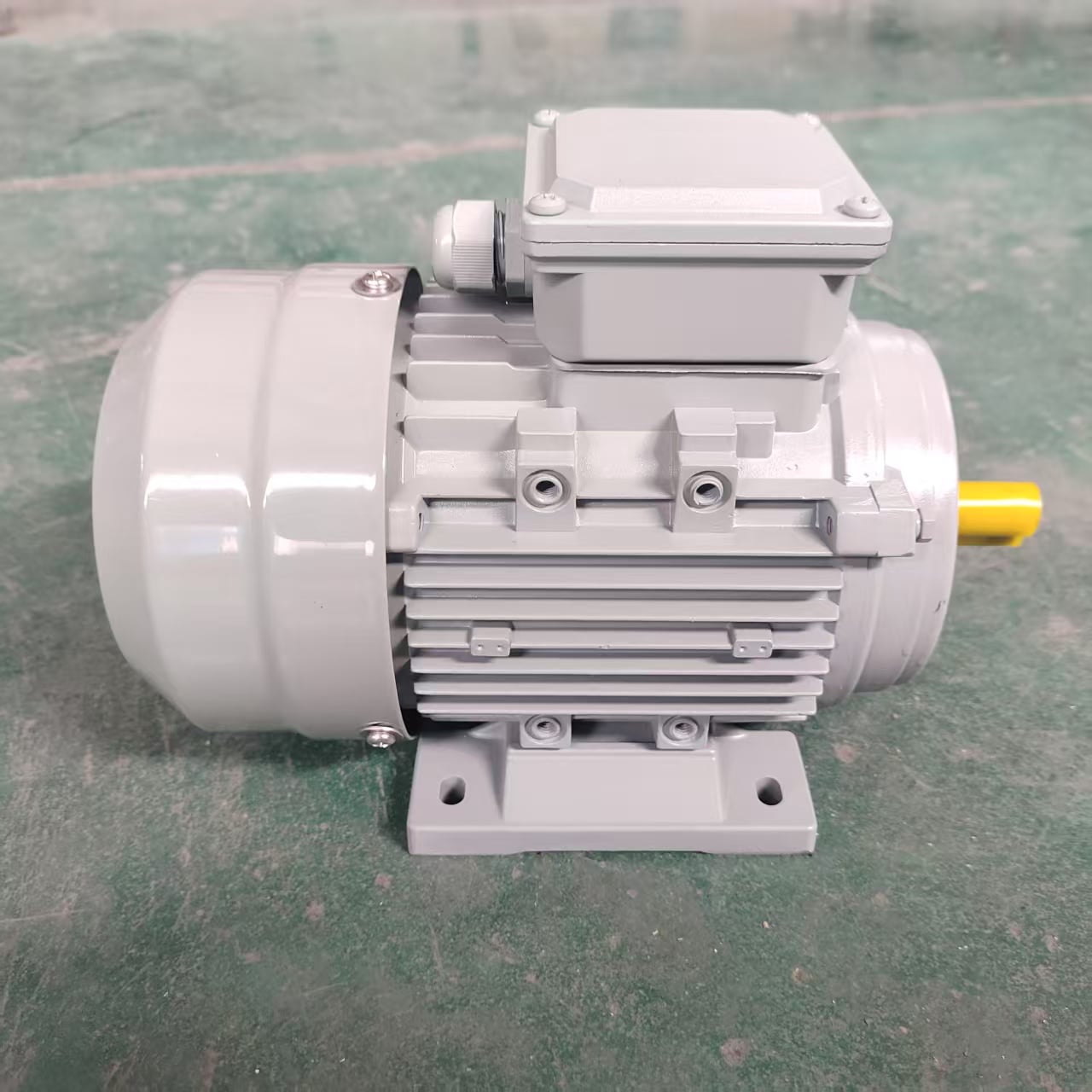
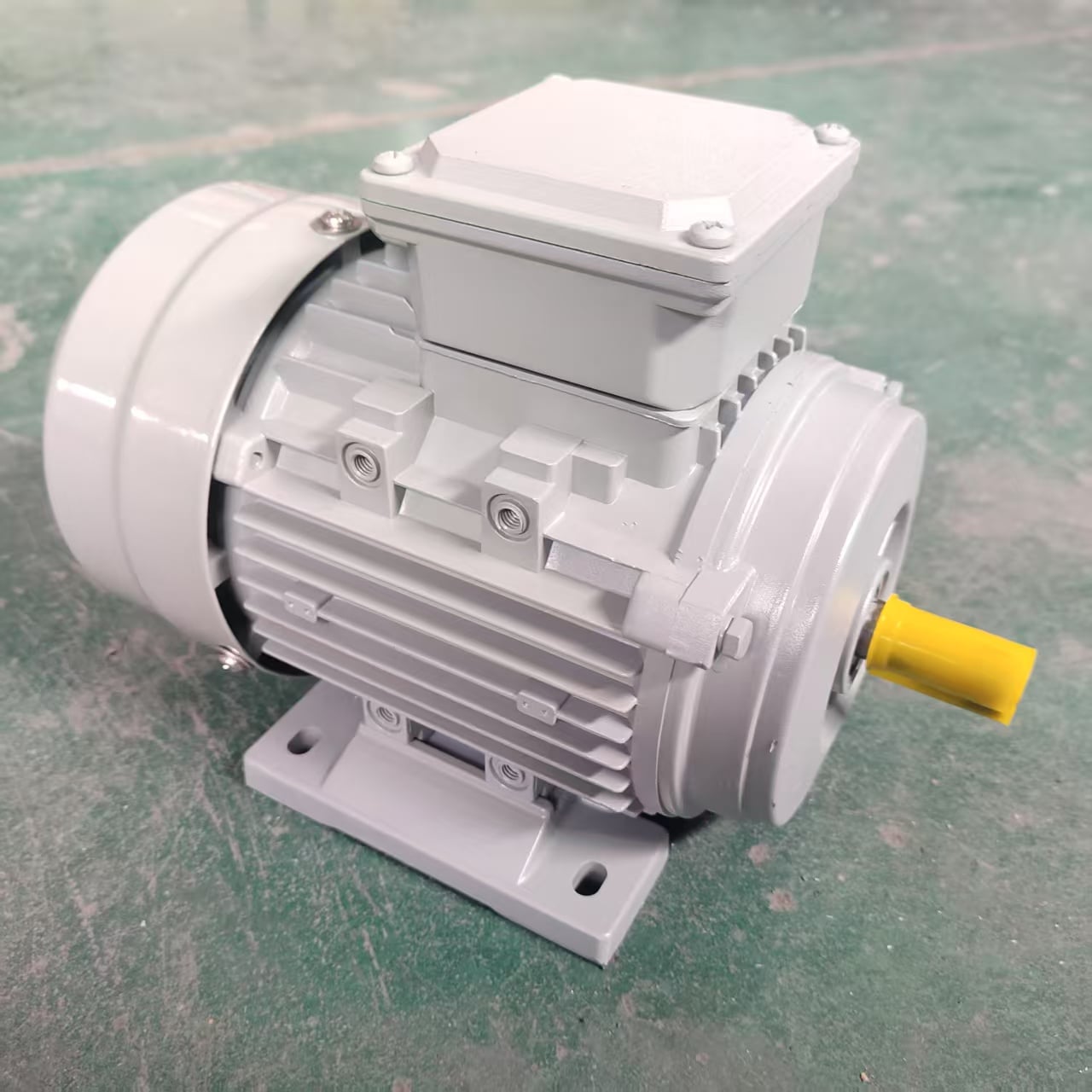
The stable synchronous motor delivers unparalleled speed precision that sets it apart from conventional motor technologies in industrial applications. This exceptional characteristic stems from the motor's fundamental design principle, where the rotor maintains perfect synchronization with the stator's rotating magnetic field, eliminating speed variations that plague other motor types. The precision level achieved by stable synchronous motors reaches tolerances as tight as 0.01%, making them indispensable for applications requiring exact timing and coordination. Manufacturing processes that depend on synchronized operations, such as printing, packaging, and assembly lines, benefit enormously from this consistent speed performance. The motor's ability to maintain constant speed regardless of load variations within its rated capacity ensures that production timing remains predictable and reliable. This consistency eliminates the need for frequent recalibration and adjustment procedures that are common with variable-speed motors. Quality control processes particularly benefit from this precision, as consistent speeds translate directly into uniform product characteristics and reduced waste. The stable synchronous motor's speed accuracy remains unaffected by voltage fluctuations, temperature changes, or mechanical wear, providing long-term reliability that reduces operational uncertainties. Process engineers can design systems with confidence, knowing that timing-critical operations will maintain their precision throughout the motor's operational life. The economic impact of this precision extends beyond immediate operational benefits, as consistent speeds contribute to extended equipment life, reduced maintenance requirements, and improved product quality. Industries such as textiles, where fiber processing requires exact speed ratios, rely on stable synchronous motors to maintain product consistency and minimize defects. The precision also enables tighter integration with automated control systems, facilitating the implementation of advanced manufacturing concepts such as Industry 4.0 and smart factory initiatives.

 EN
EN