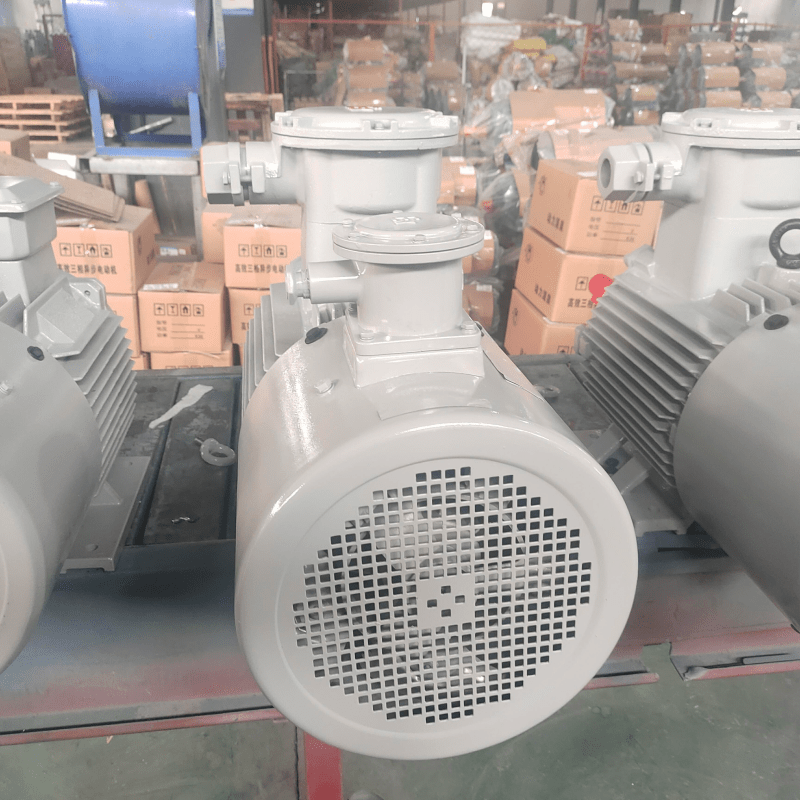
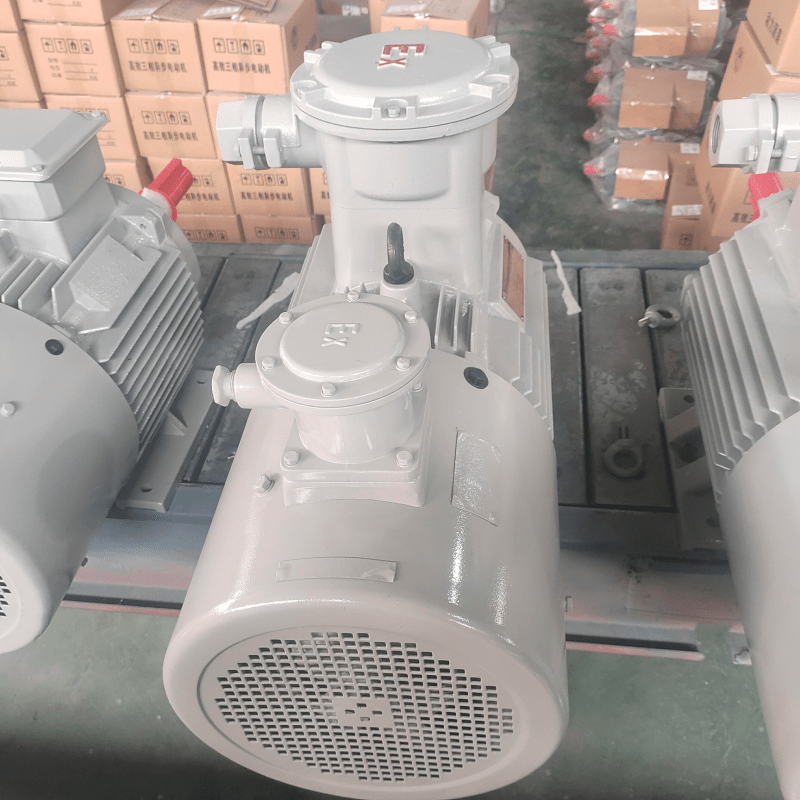
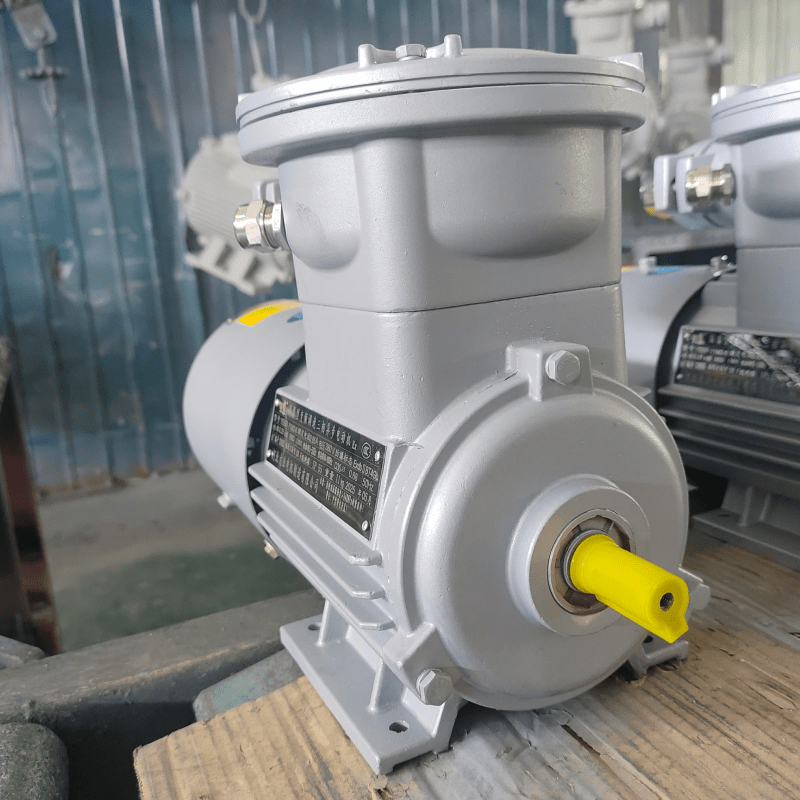
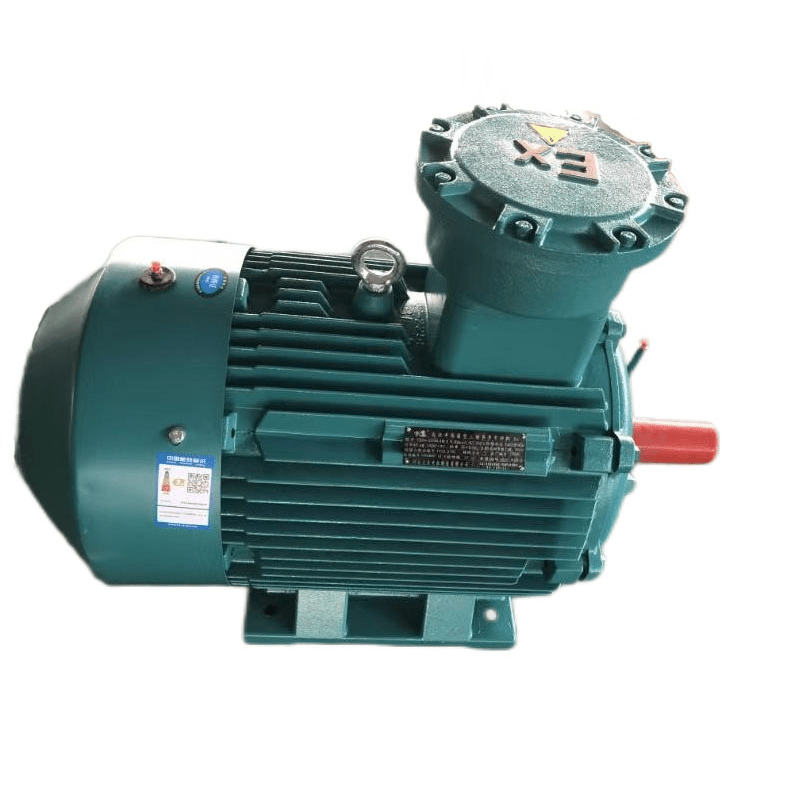
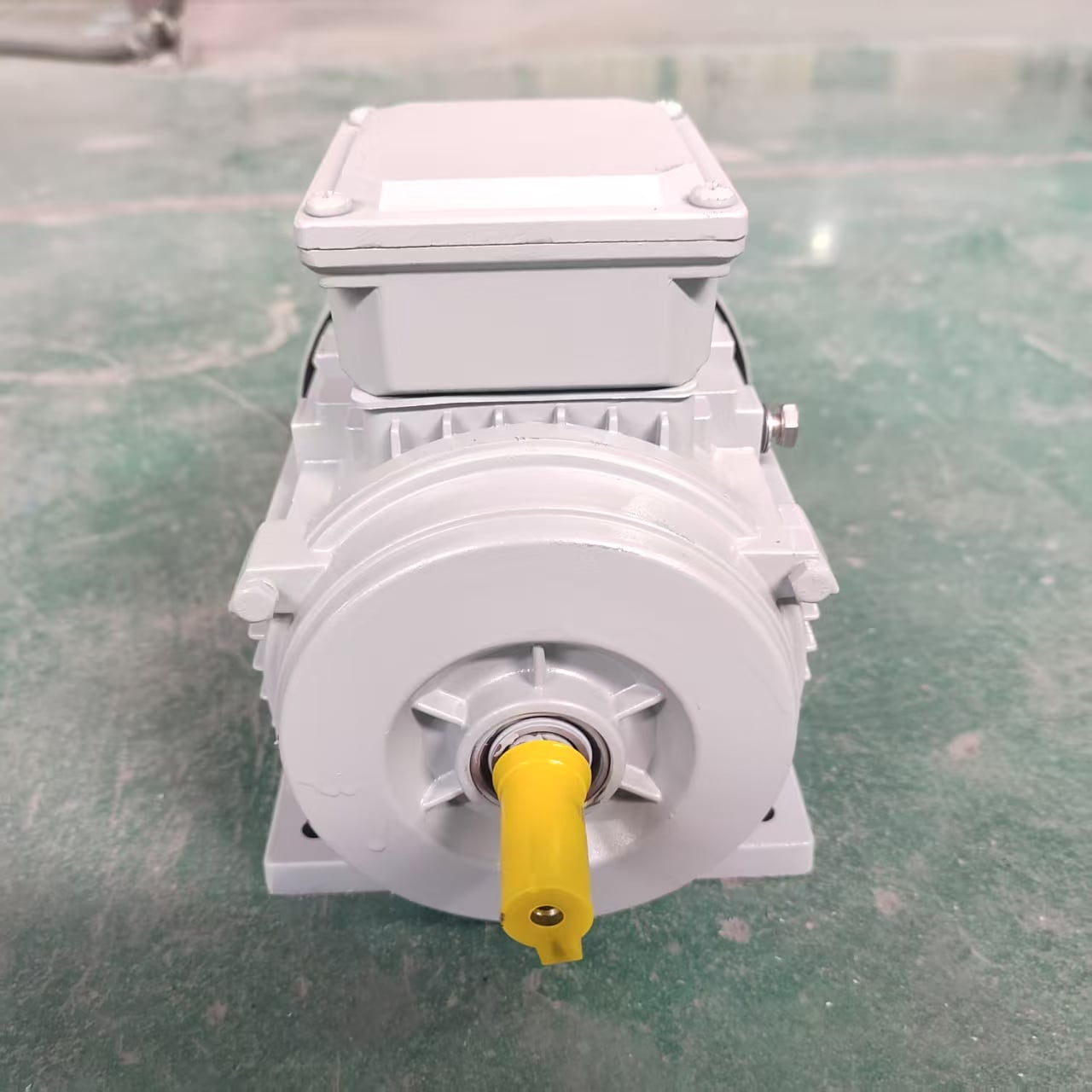
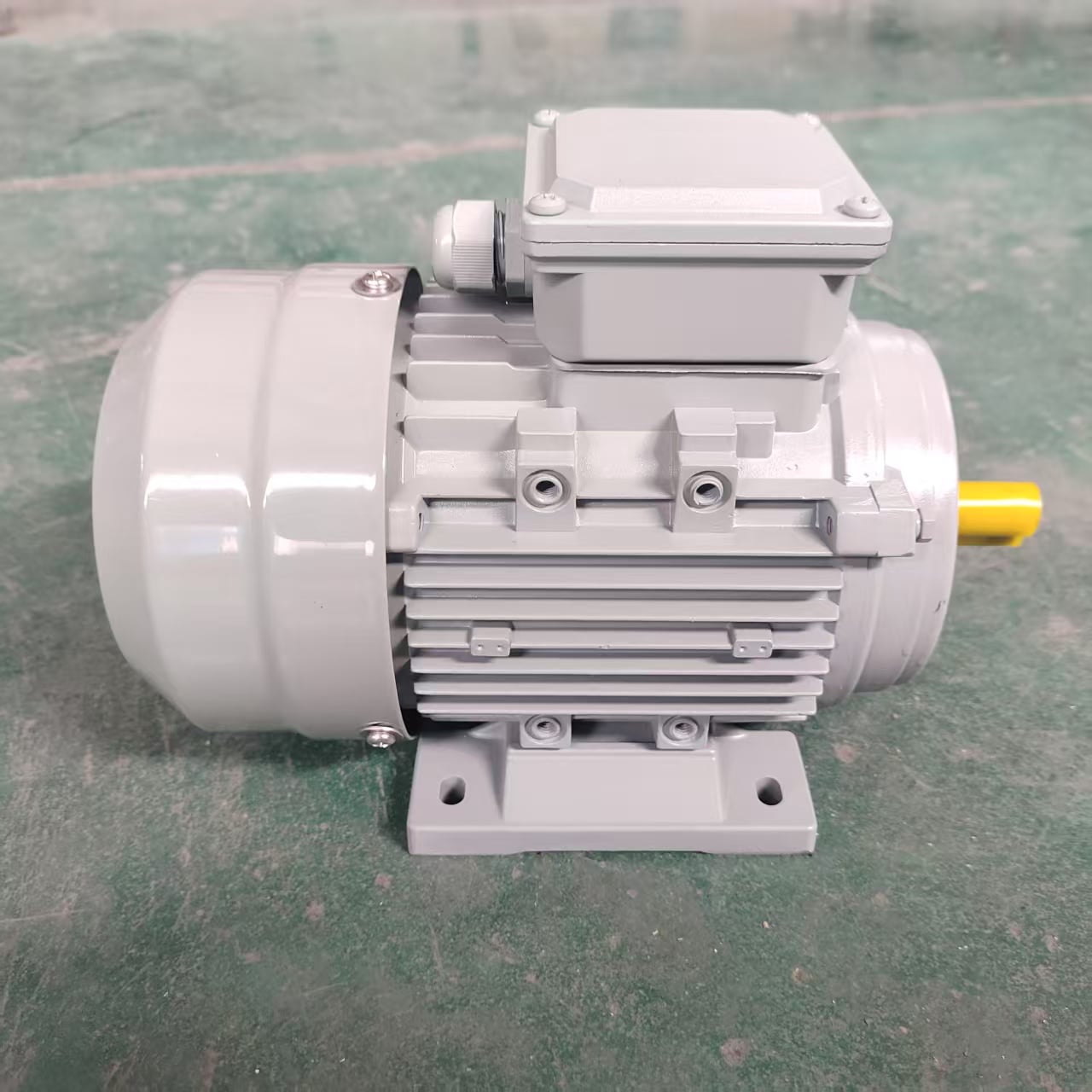
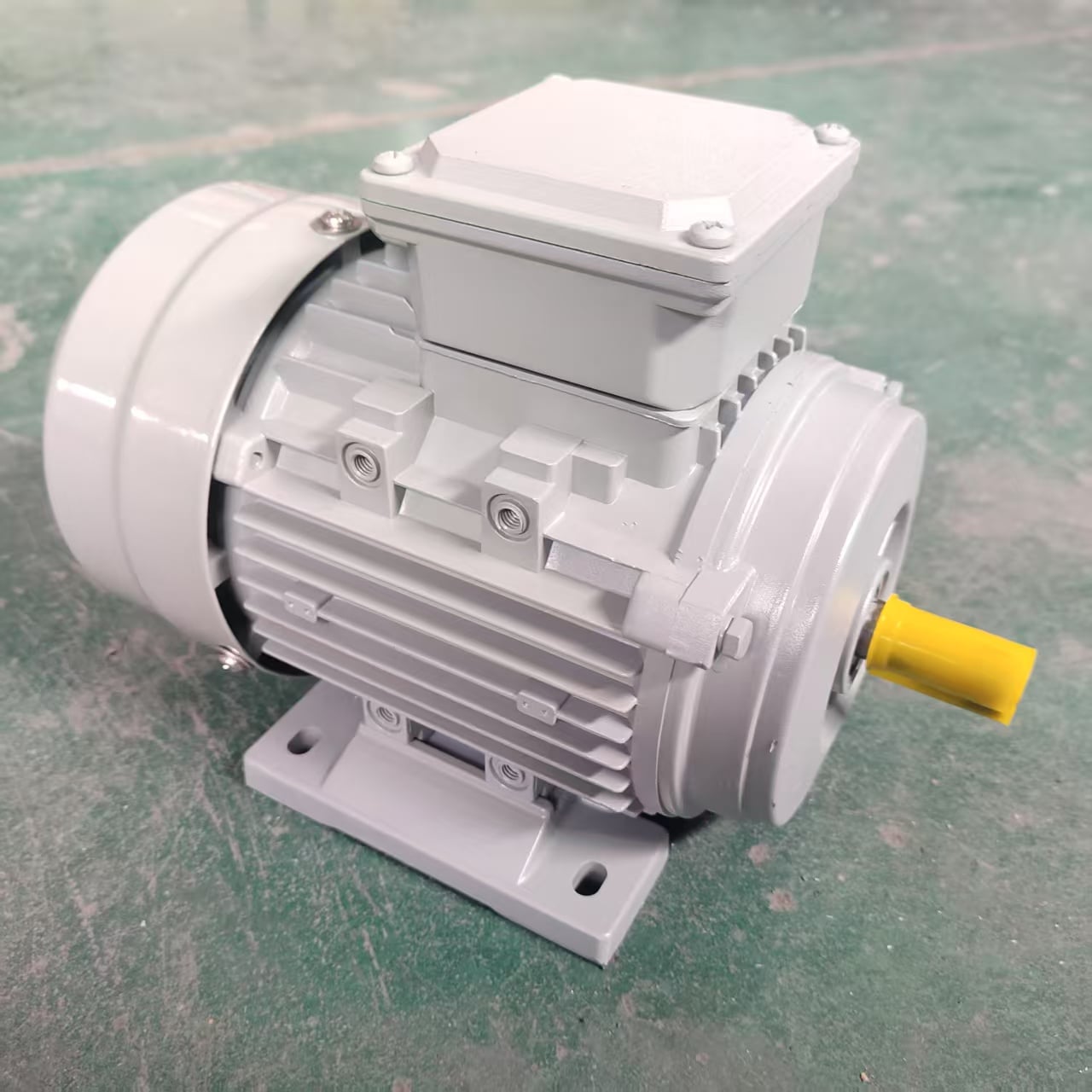
Stable Synchronous Motor: High-Precision Industrial Motor Solutions for Enhanced Efficiency

All Categories

stable synchronous motor

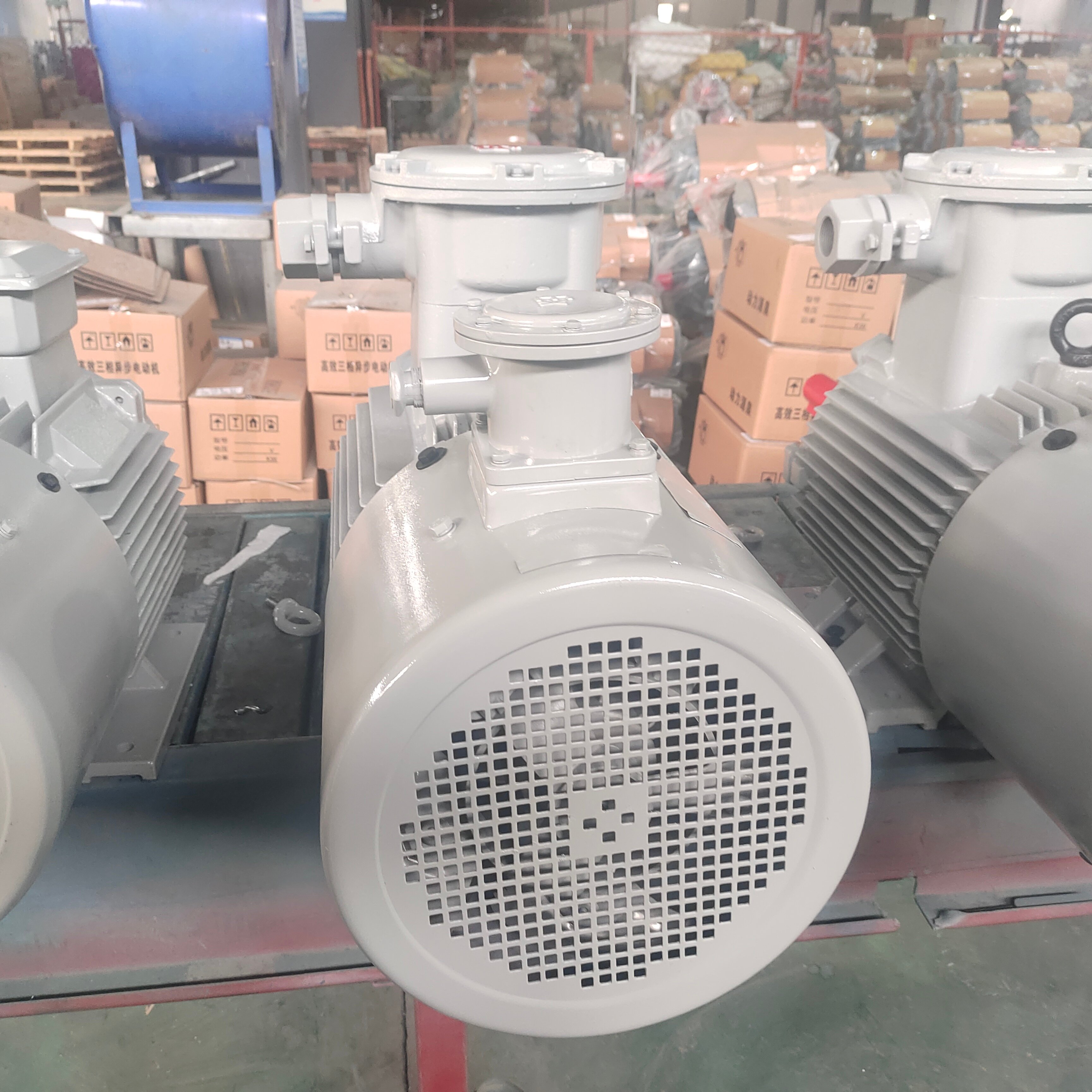
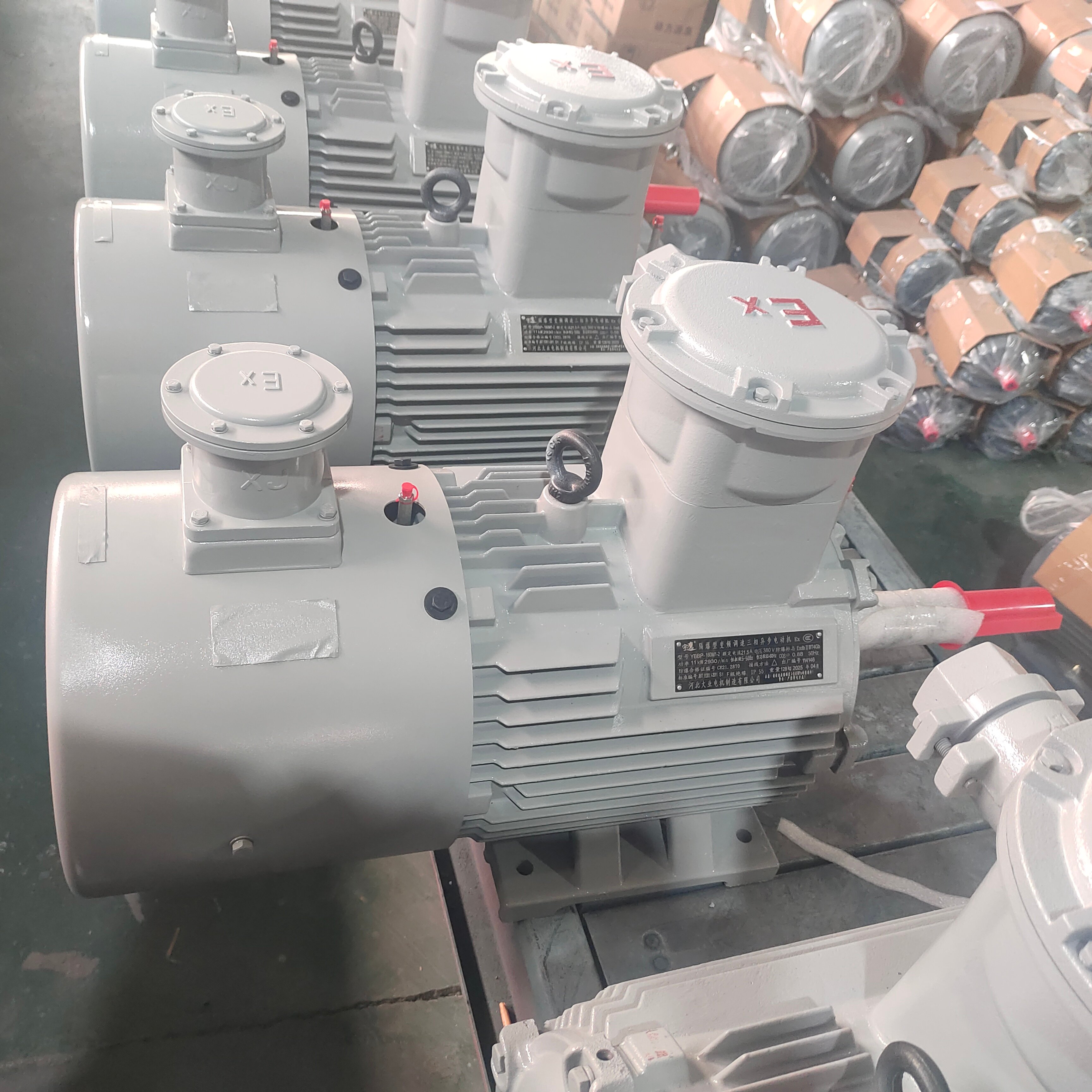
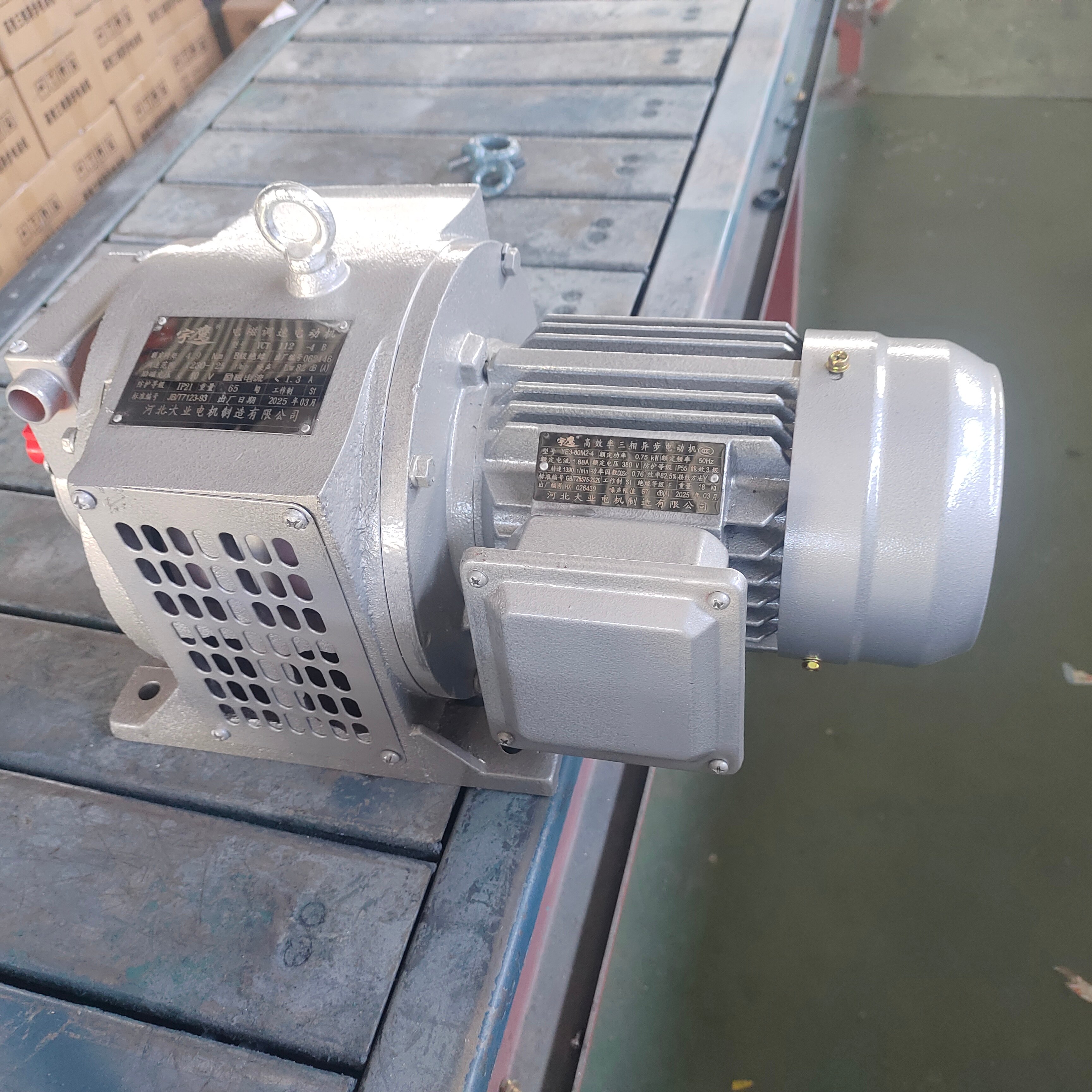
A stable synchronous motor represents a sophisticated electrical machine that operates at a constant speed determined by the supply frequency and the number of poles. This motor type achieves synchronization between its rotor speed and the rotating magnetic field produced by the stator windings, ensuring precise speed control and reliable performance across various industrial applications. The stable synchronous motor distinguishes itself from other motor types through its ability to maintain exact speed regardless of load variations within its rated capacity. The fundamental operating principle involves electromagnetic interaction between the stator's rotating magnetic field and the rotor's magnetic field, which can be generated by permanent magnets or electromagnets. This synchronous operation enables the motor to deliver consistent torque output while maintaining exceptional speed accuracy. The construction typically features a three-phase stator winding that creates a rotating magnetic field when connected to an alternating current supply. The rotor assembly incorporates either permanent magnets or wound electromagnets that lock into step with the stator field, creating the synchronous relationship that defines this motor type. Modern stable synchronous motors integrate advanced control systems and feedback mechanisms that enhance their stability and performance characteristics. These motors excel in applications requiring precise speed control, high efficiency, and reliable operation under varying load conditions. The stable synchronous motor finds extensive use in industrial processes where timing accuracy and speed consistency are critical factors. Manufacturing facilities rely on these motors for conveyor systems, pumps, compressors, and other equipment where synchronized operation enhances productivity and product quality. The technological advancement in stable synchronous motor design has led to improved power factor correction capabilities, reduced maintenance requirements, and enhanced overall system efficiency, making them increasingly popular in energy-conscious industrial environments.

New Product Recommendations

Stable synchronous motors offer numerous compelling advantages that make them the preferred choice for demanding industrial applications. The primary benefit lies in their exceptional speed stability, which remains constant regardless of load fluctuations within the motor's rated capacity. This characteristic proves invaluable in applications requiring precise timing and coordination between multiple machines or processes. Unlike other motor types that experience speed variations under different load conditions, the stable synchronous motor maintains its predetermined speed with remarkable consistency. Energy efficiency represents another significant advantage of stable synchronous motors, as they typically operate at higher efficiency levels compared to induction motors, particularly under partial load conditions. This enhanced efficiency translates directly into reduced energy consumption and lower operational costs over the motor's lifetime. The ability to operate at unity or leading power factor provides additional economic benefits by improving the overall power factor of electrical systems and potentially reducing utility demand charges. Maintenance requirements for stable synchronous motors are generally lower than other motor types due to their robust construction and absence of slip rings in permanent magnet versions. This reduced maintenance translates into decreased downtime, lower service costs, and improved overall system reliability. The precise speed control capability eliminates the need for complex speed regulation systems in many applications, simplifying installation and reducing system complexity. Stable synchronous motors also demonstrate excellent starting torque characteristics, enabling them to handle high-inertia loads effectively during startup conditions. Their ability to provide consistent torque output across the entire speed range makes them ideal for applications with varying load demands. The motors exhibit superior dynamic response characteristics, quickly adapting to load changes while maintaining speed stability. Temperature stability represents another crucial advantage, as these motors maintain their performance characteristics across wide temperature ranges without significant degradation. The electromagnetic compatibility of stable synchronous motors ensures minimal interference with sensitive electronic equipment, making them suitable for modern automated manufacturing environments. Additionally, their quiet operation and reduced vibration levels contribute to improved workplace conditions and equipment longevity.

Latest News

Energy Savings with Variable Frequency Motor Drives

22

Aug

Energy Savings with Variable Frequency Motor Drives

Energy Savings with Variable Frequency Motor Drives Introduction to Variable Frequency Motor Drives The demand for energy efficiency has become a defining factor in modern industrial operations, commercial facilities, and even residential application...
View More
Selecting and Installing Variable Frequency Motors

22

Aug

Selecting and Installing Variable Frequency Motors

Selecting and Installing Variable Frequency Motors Introduction to Variable Frequency Motors Electric motors are at the heart of industrial operations, powering pumps, compressors, conveyors, and ventilation systems. Traditionally, these motors opera...
View More
Die Casting vs. Investment Casting: Which to Choose?

27

Nov

Die Casting vs. Investment Casting: Which to Choose?

Manufacturing precision metal components requires careful consideration of casting methods, with die casting and investment casting representing two of the most widely utilized techniques in modern industrial production. These processes serve distinc...
View More
2025 Industrial Motor Trends: What's New in Manufacturing

27

Nov

2025 Industrial Motor Trends: What's New in Manufacturing

The manufacturing landscape is experiencing a revolutionary transformation as we advance through 2025, with industrial motor technology at the forefront of innovation. Modern manufacturing facilities are increasingly dependent on advanced motor syste...
View More

Get a Free Quote

Our representative will contact you soon.
Email
Name
Company Name
Message
0/1000

stable synchronous motor

Unmatched Speed Precision and Consistency

Unmatched Speed Precision and Consistency

The stable synchronous motor delivers unparalleled speed precision that sets it apart from conventional motor technologies in industrial applications. This exceptional characteristic stems from the motor's fundamental design principle, where the rotor maintains perfect synchronization with the stator's rotating magnetic field, eliminating speed variations that plague other motor types. The precision level achieved by stable synchronous motors reaches tolerances as tight as 0.01%, making them indispensable for applications requiring exact timing and coordination. Manufacturing processes that depend on synchronized operations, such as printing, packaging, and assembly lines, benefit enormously from this consistent speed performance. The motor's ability to maintain constant speed regardless of load variations within its rated capacity ensures that production timing remains predictable and reliable. This consistency eliminates the need for frequent recalibration and adjustment procedures that are common with variable-speed motors. Quality control processes particularly benefit from this precision, as consistent speeds translate directly into uniform product characteristics and reduced waste. The stable synchronous motor's speed accuracy remains unaffected by voltage fluctuations, temperature changes, or mechanical wear, providing long-term reliability that reduces operational uncertainties. Process engineers can design systems with confidence, knowing that timing-critical operations will maintain their precision throughout the motor's operational life. The economic impact of this precision extends beyond immediate operational benefits, as consistent speeds contribute to extended equipment life, reduced maintenance requirements, and improved product quality. Industries such as textiles, where fiber processing requires exact speed ratios, rely on stable synchronous motors to maintain product consistency and minimize defects. The precision also enables tighter integration with automated control systems, facilitating the implementation of advanced manufacturing concepts such as Industry 4.0 and smart factory initiatives.

Superior Energy Efficiency and Power Factor Control

Superior Energy Efficiency and Power Factor Control

Energy efficiency stands as a cornerstone advantage of stable synchronous motors, delivering significant operational cost savings while supporting environmental sustainability initiatives. These motors consistently achieve efficiency ratings between 95% and 98%, substantially higher than comparable induction motors, particularly under partial load conditions where many industrial applications operate. The superior efficiency results from the elimination of rotor losses associated with slip in induction motors, as the stable synchronous motor operates without slip by definition. This efficiency advantage becomes more pronounced as motor size increases, making stable synchronous motors particularly attractive for high-power applications such as large pumps, compressors, and mill drives. The power factor control capability represents an equally valuable feature, allowing stable synchronous motors to operate at unity power factor or even leading power factor conditions. This characteristic enables facility managers to correct poor power factor conditions caused by other equipment, potentially eliminating power factor penalties imposed by utilities and reducing overall electrical demand charges. The ability to provide reactive power support to the electrical system adds significant value in industrial facilities with multiple motors and varying loads. Energy audits consistently demonstrate that facilities using stable synchronous motors achieve measurable reductions in total energy consumption compared to facilities using conventional motor technologies. The efficiency benefits compound over the motor's operational life, with typical payback periods ranging from 18 to 36 months depending on operating hours and energy costs. Modern stable synchronous motors incorporate advanced magnetic materials and optimized winding designs that further enhance efficiency while maintaining compact form factors. The reduced energy consumption directly translates into lower carbon footprint, supporting corporate sustainability goals and environmental compliance requirements. Additionally, the improved efficiency generates less waste heat, reducing cooling system loads and contributing to overall facility energy savings beyond the motor's direct consumption.
Exceptional Reliability and Low Maintenance Requirements

Exceptional Reliability and Low Maintenance Requirements

The robust construction and simplified design of stable synchronous motors result in exceptional reliability and significantly reduced maintenance requirements compared to other motor technologies. The absence of brushes, slip rings, and other wearing components in permanent magnet stable synchronous motors eliminates common failure points that require regular attention in conventional motors. This design simplicity translates directly into extended operational life, with many stable synchronous motors operating reliably for decades with minimal maintenance intervention. The sealed bearing systems and robust rotor construction enable these motors to withstand harsh industrial environments, including applications with high vibration, extreme temperatures, and contaminated atmospheres. Predictive maintenance programs benefit significantly from the stable operating characteristics of these motors, as performance parameters remain consistent over time, making it easier to detect potential issues before they result in unexpected failures. The electromagnetic design of stable synchronous motors inherently provides protection against many common motor problems, such as rotor bar failures and winding asymmetries that affect other motor types. Maintenance schedules can be extended substantially, with bearing replacement often being the only required periodic maintenance activity. This reduction in maintenance frequency decreases both direct maintenance costs and indirect costs associated with production downtime. The consistent operating temperatures of stable synchronous motors contribute to extended insulation life and reduced thermal stress on motor components. Remote monitoring capabilities integrated into modern stable synchronous motor systems enable condition-based maintenance strategies that optimize maintenance timing and reduce unnecessary interventions. The motors' ability to maintain performance characteristics over their operational life ensures that initial efficiency and power factor benefits persist throughout the motor's service period. Spare parts requirements are minimized due to the simplified construction, and when replacement components are needed, they typically have longer service intervals than comparable components in other motor types. The reliability advantages extend to the electrical control systems, as the stable operating characteristics reduce stress on variable frequency drives and other control equipment, contributing to overall system reliability improvements.
Stable Synchronous Motor: High-Precision Industrial Motor Solutions for Enhanced Efficiency

Get a Free Quote

Our representative will contact you soon.
Email
Name
Company Name
Message
0/1000