גמישות בעיצוב ויכולות חדשנות
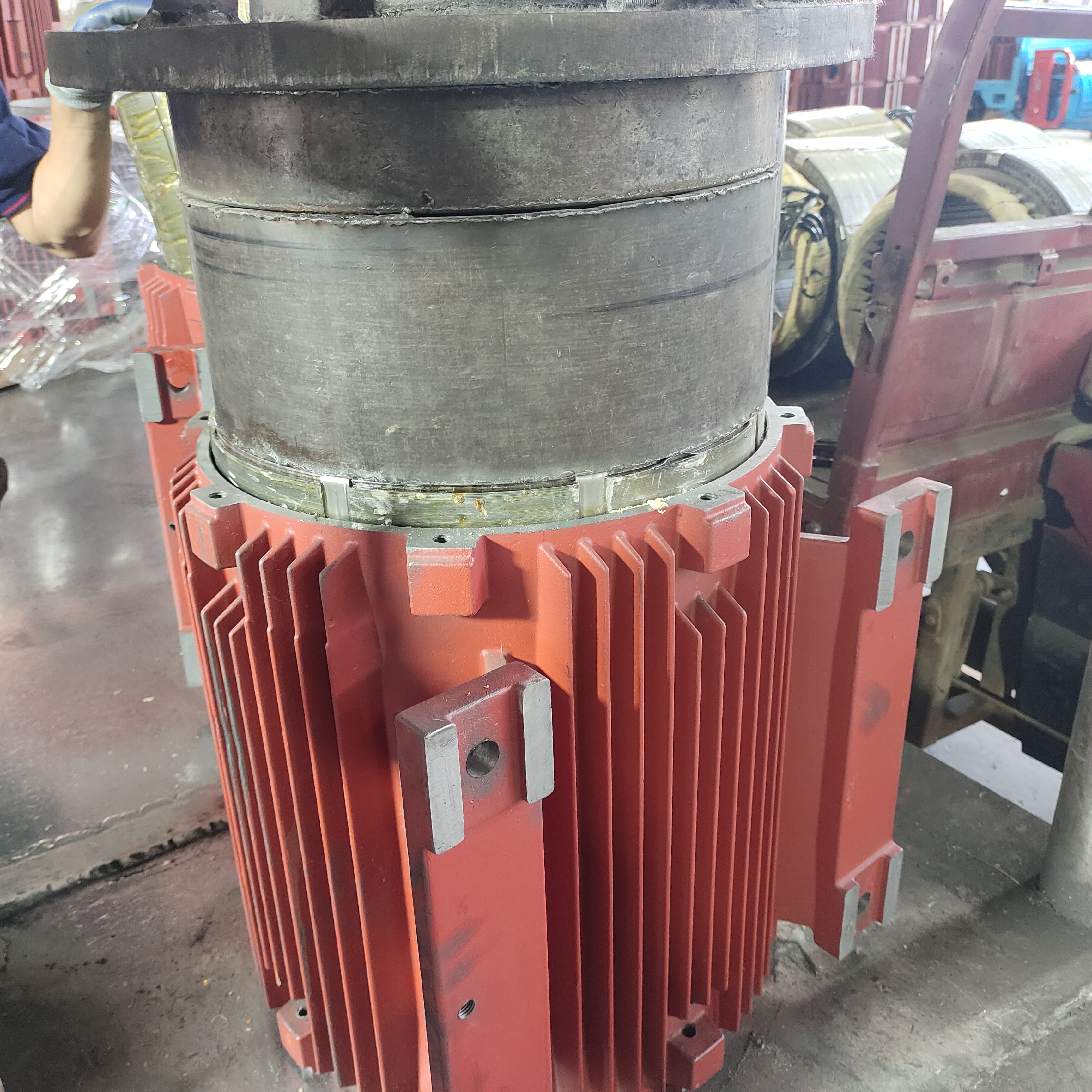
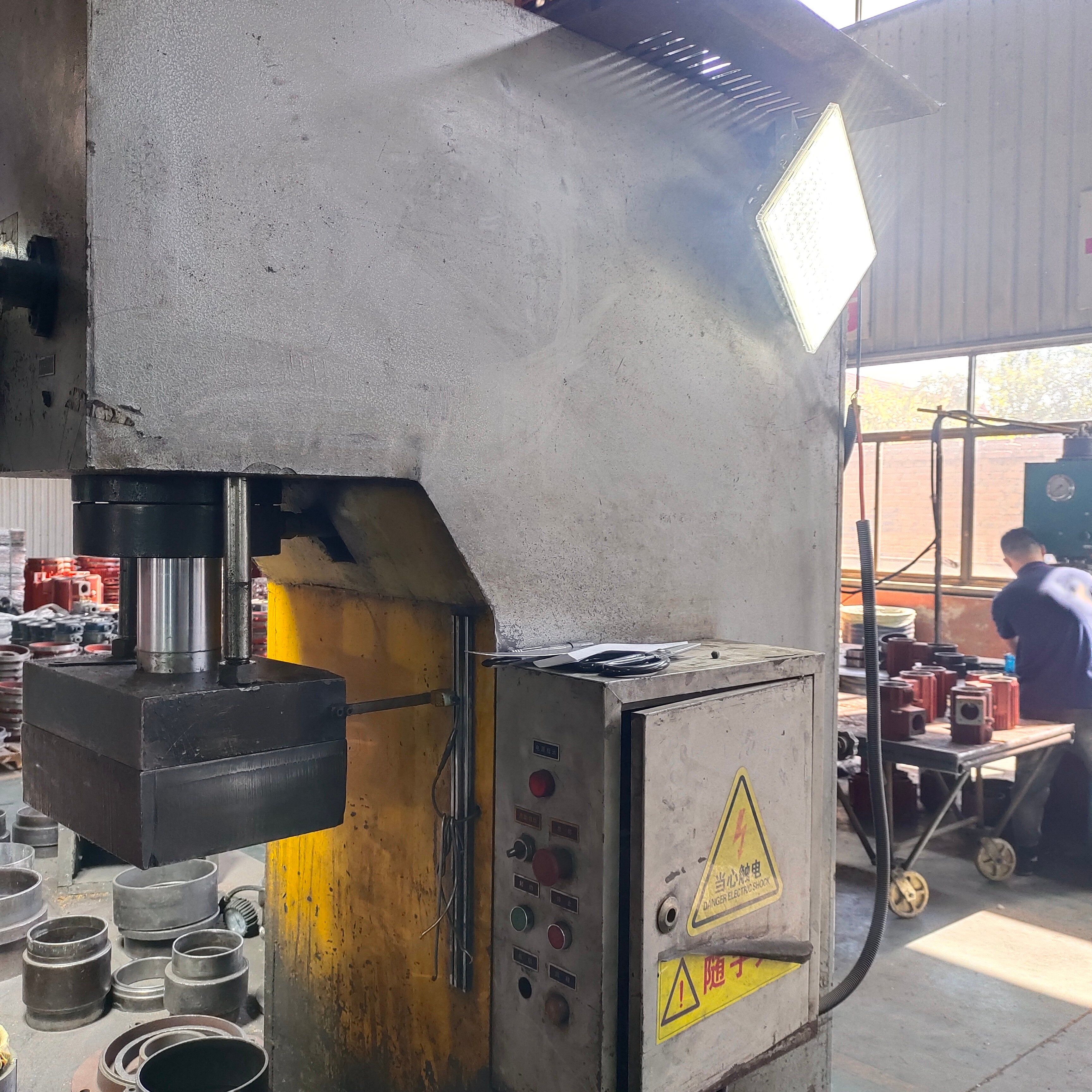
הזרקה משולבת מעניקה לעורכי פריטים ולמהנדסים גמישות עיצובית ללא תקדים, ומאפשרת יצירת גאומטריות מורכבות, תכונות חדשניות ומאפיינים של ביצועים מותאמים, שיאושרו כאתגר טכנולוגי או לא ייחשבו כדokies מבחינה כלכלית בשיטות ייצור מסורתיות. תהליך הזרקה מאפשר אספקטורים פנימיים מתוחכמים, עובי דופן משתנה, משטחים עקומים מורכבים ותכונות פונקציונליות משולבות בתוך רכיב אחד, ומבטל מגבלות עיצוב הנובעות מגילוי וחיבור מסורתיים. טכנולוגיות עיצוב תבנית מתקדמות, הכוללות מערכות קירור מתוחכמות, קווי חלוקה רב-צירים ומנגנוני ליבה זזה, מאפשרות ייצור של רכיבים עם חריצים פנימיים, חללים פנימיים ותכונות תלת-ממדיות מורכבות שמגדילות את הפונקציונליות תוך הפחתת סיבוכיות המערכת הכוללת. כלי הנדסת עזר ממוחשבים (CAE) מאפשרים לעורכים לדייק את טופולוגיית הרכיב, לשלב עקרונות עיצוב גנרטיביים ולאמת מאפייני ביצועים באמצעות אנליזת סימולציה מפורטת לפני שהחליטה על כלים לייצור. חופש העיצוב הזה מאפשר שילוב של מספר פונקציות בתוך רכיב אחד, כגון תמיכה מבנית, ניתוב נוזלים, פיזור חום, שילוט אלקטרומגנטי וסיום שטח אסתטי, מה שמקטין את משקל המערכת והסיבוכיות הכוללת תוך שיפור האמינות. יכולות של יצירה מהירה של דוגמיות ראשוניות באמצעות הדפסה תלת-ממדית ומכונת CNC לייצור כלים לדגימות, מאפשרות חזרה מהירה על עיצוב ואישור, מה שמאיץ את מחזורי פיתוח המוצר ומקצר את הזמן עד השקת פתרונות חדשניים. גמישות בניהול בחירת החומר מאפשרת אופטימיזציה של הרכב סגסוגת האלומיניום לצורך יישום ספציפי, תוך שיוויון בין תכונות מכניות, עמידות בתהליך קורוזיה, מוליכות תרמית ומאפיינים ייצוריים כדי להשיג תוצאות ביצועים אופטימליות. תהליך הזרקה מתאים בקלות לשינויים בעיצוב ולדרישות התאמה אישית מבלי להחליף כלים בצורה נרחבת, ומאפשר ליצרנים להציע גרסאות מוצר, התאמות אזוריים ותצורות מותאמות ללקוח תוך שמירה על יעילות ייצור. שילוב של טכנולוגיות ייצור חכמות, כולל חיישנים, מערכות ניטור ויכולות איסוף נתונים, ניתן להטמעה ישירה ברכיבים מוזרקים במהלך הייצור, ומאפשר פיתוח של מוצרים חכמים עם פונקציונליות משובצת. אפשרויות אופטימיזציית עיצוב מתרחבות מעבר לרכיבים בודדים למבנה מערכת שלם, שכן הזרקה משולבת מאפשרת איחוד של מספר חלקים לה ensambles מאוחדים שמפחיתים את הסיבוכיות הכוללת של המוצר, משפרים אמינות ומשפרים את חוויית המשתמש באמצעות התאמה טובה יותר, סיום איכותי ושילוב פונקציונלי.
 EN
EN