Integrated Die Casting Solutions: Advanced Manufacturing Technology for Superior Component Production

All Categories

integrated die casting

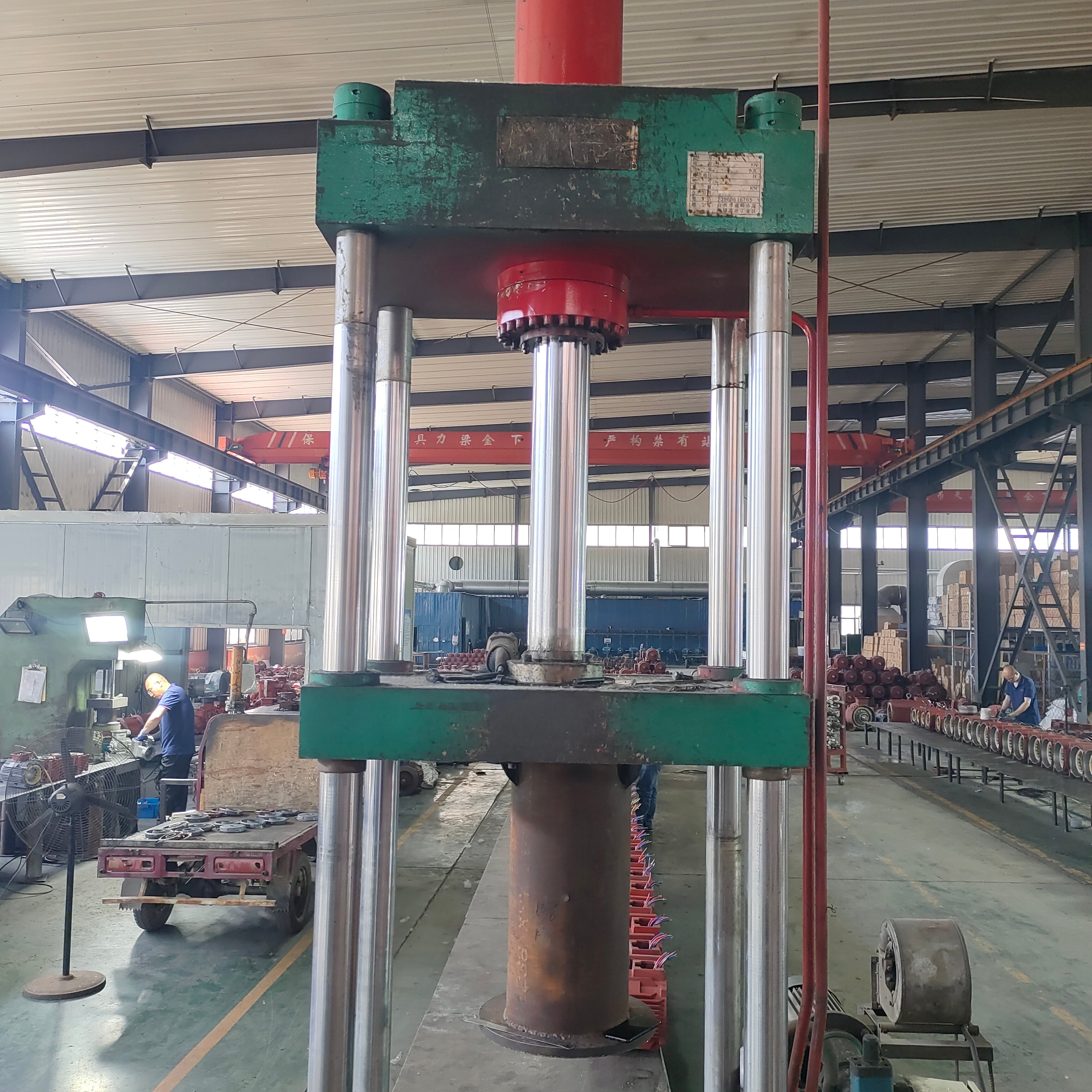
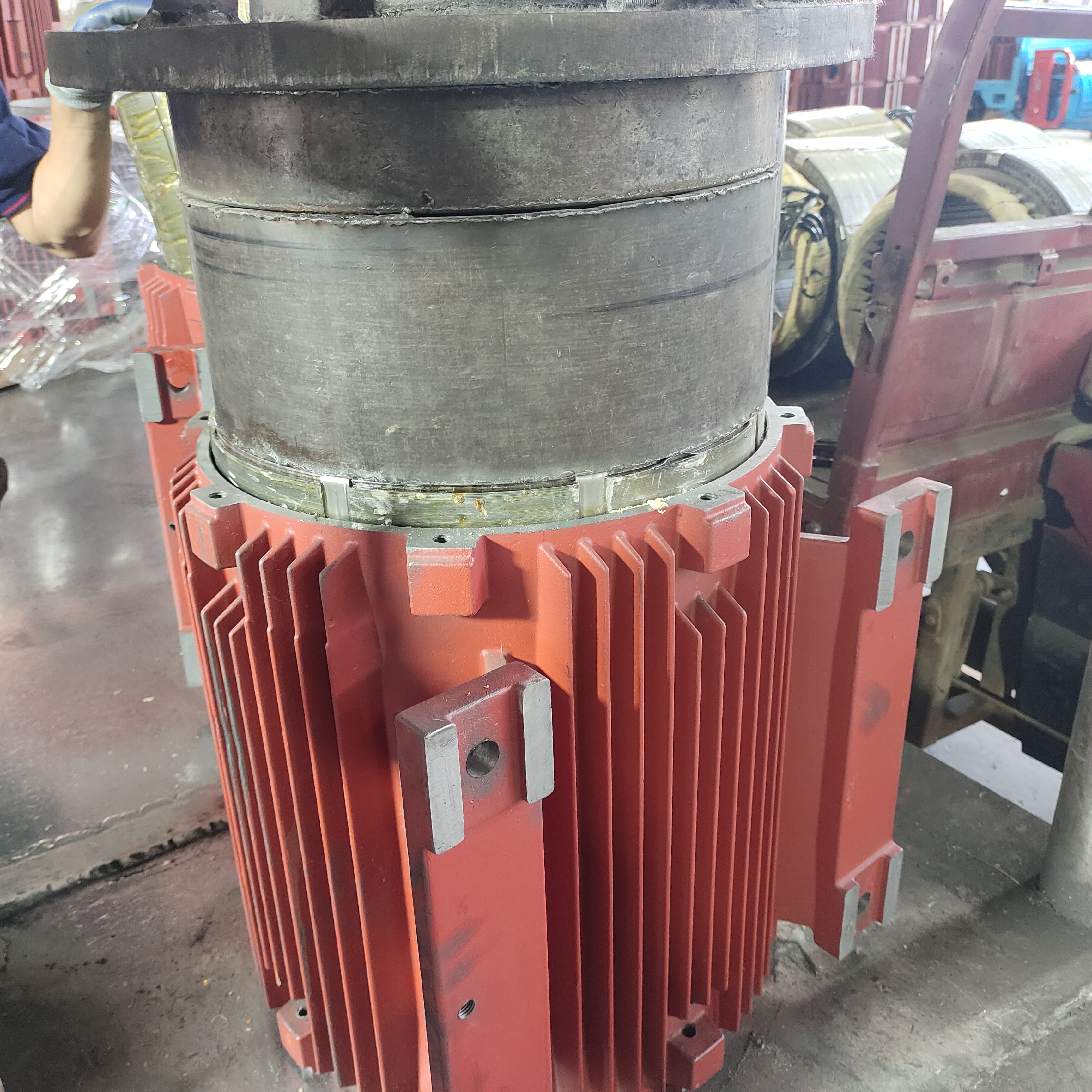
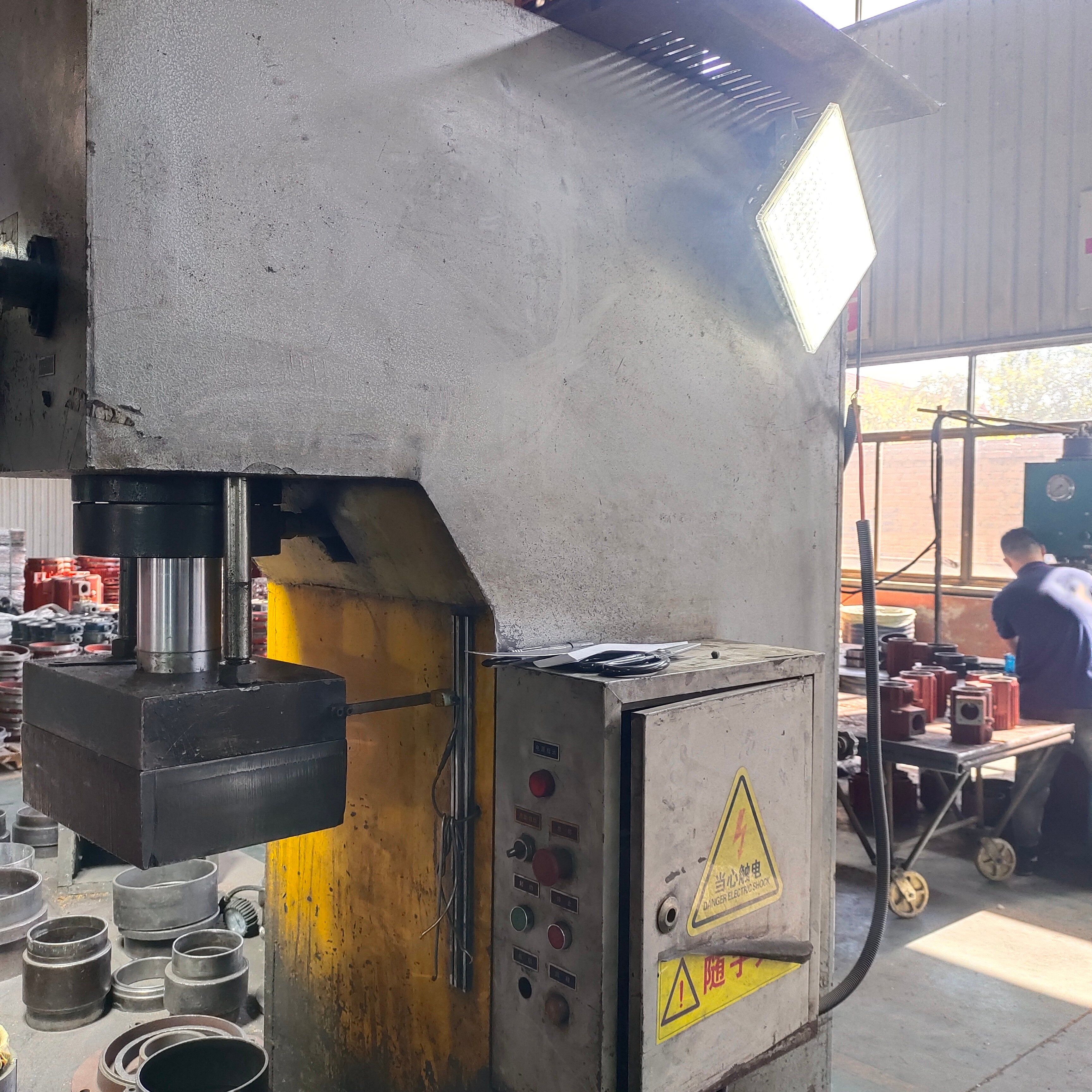
Integrated die casting represents a revolutionary manufacturing process that combines multiple components into single, unified structures through advanced aluminum injection molding techniques. This sophisticated manufacturing method utilizes high-pressure casting systems to produce complex automotive parts, electronic housings, and structural components with exceptional precision and dimensional accuracy. The integrated die casting process fundamentally transforms traditional assembly-line manufacturing by eliminating numerous welding joints, fasteners, and separate manufacturing stages that typically characterize conventional production methods. Modern integrated die casting facilities employ state-of-the-art automation systems, precise temperature control mechanisms, and computer-aided design integration to ensure consistent quality outcomes across large-scale production runs. The technology leverages specialized aluminum alloys specifically formulated for high-pressure injection processes, enabling manufacturers to achieve superior mechanical properties while maintaining lightweight characteristics essential for contemporary applications. Primary functions of integrated die casting include structural consolidation, weight reduction, cost optimization, and enhanced product durability through seamless material distribution. Technological features encompass advanced mold design capabilities, real-time process monitoring systems, automated quality inspection protocols, and sophisticated cooling mechanisms that ensure optimal material flow and crystallization patterns. Applications span diverse industries including automotive manufacturing, aerospace engineering, consumer electronics, telecommunications equipment, and renewable energy systems. The automotive sector particularly benefits from integrated die casting through production of battery housings, chassis components, suspension elements, and powertrain assemblies that demand exceptional strength-to-weight ratios. Electronic applications utilize integrated die casting for creating complex housings, heat sinks, and electromagnetic shielding components that require precise dimensional tolerances and superior thermal management properties. The process accommodates intricate geometries, internal channels, and multiple functional surfaces within single casting operations, significantly reducing assembly complexity and manufacturing lead times while improving overall product reliability and performance characteristics.

New Products

Integrated die casting delivers substantial cost reductions by eliminating multiple manufacturing steps and reducing material waste throughout production processes. Companies typically experience 30-50% cost savings compared to traditional multi-component assembly methods, primarily through reduced labor requirements, simplified inventory management, and streamlined quality control procedures. The process significantly reduces production time by combining multiple manufacturing operations into single casting cycles, enabling faster time-to-market for new products and improved responsiveness to customer demands. Weight optimization represents another critical advantage, as integrated die casting eliminates heavy fasteners, brackets, and joining materials while maintaining superior structural integrity through optimized material distribution patterns. This weight reduction directly translates to improved fuel efficiency in automotive applications and enhanced portability in consumer electronics. Quality improvements stem from reduced human error factors, consistent material properties, and elimination of potential failure points associated with welded or bolted joints. Integrated die casting produces components with superior dimensional accuracy, typically achieving tolerances within 0.1mm across complex geometries, ensuring precise fit and finish requirements. The process enhances product durability through continuous material structure that eliminates stress concentration points commonly found at joint interfaces in assembled components. Manufacturing flexibility allows rapid design modifications and customization without extensive tooling changes, enabling companies to respond quickly to market trends and customer specifications. Environmental benefits include reduced material consumption, lower energy requirements per unit produced, and decreased transportation costs due to consolidated shipping of fewer components. The integrated die casting process generates minimal waste materials, with excess aluminum being easily recyclable for future production cycles. Supply chain simplification reduces dependency on multiple suppliers, minimizes inventory carrying costs, and decreases logistics complexity while improving overall production reliability. Quality consistency improves dramatically as integrated die casting eliminates variables associated with multi-supplier coordination, assembly tolerances, and human assembly errors. Companies report significant improvements in warranty claims reduction and customer satisfaction scores when transitioning to integrated die casting solutions for their manufacturing requirements.

Tips And Tricks

How Variable Frequency Motors Improve Machine Performance

22

Aug

How Variable Frequency Motors Improve Machine Performance

How Variable Frequency Motors Improve Machine Performance Introduction to Variable Frequency Motors The industrial sector has always relied heavily on electric motors to power machinery, drive production systems, and support critical processes. Tradi...
View More
Variable Frequency Motors: A Solution for Fluctuating Load Conditions

22

Aug

Variable Frequency Motors: A Solution for Fluctuating Load Conditions

Variable Frequency Motors: A Solution for Fluctuating Load Conditions Introduction to Variable Frequency Motors Modern industries rely on electric motors to power everything from conveyor belts and pumps to compressors and fans. Traditionally, motors...
View More
How to Choose the Right Variable Frequency Motor

21

Oct

How to Choose the Right Variable Frequency Motor

Understanding Variable Frequency Motors in Modern Industry The industrial landscape has witnessed a remarkable transformation with the advent of advanced motor technologies. At the forefront of this evolution stands the variable frequency motor, a so...
View More
Ultimate Guide to Die Casting Materials and Applications

27

Nov

Ultimate Guide to Die Casting Materials and Applications

Die casting represents one of the most versatile and efficient manufacturing processes in modern industry, enabling the production of complex metal components with exceptional precision and repeatability. This advanced manufacturing technique involve...
View More

Get a Free Quote

Our representative will contact you soon.
Email
Name
Company Name
Message
0/1000

integrated die casting

Superior Structural Integrity and Performance

Superior Structural Integrity and Performance

Integrated die casting creates components with exceptional structural integrity that surpasses traditional assembly methods through continuous material flow and optimized stress distribution patterns. Unlike conventional manufacturing approaches that rely on welded joints, bolted connections, or adhesive bonding, integrated die casting produces monolithic structures where material properties remain consistent throughout the entire component. This seamless construction eliminates potential weak points that commonly develop at joint interfaces, significantly reducing the likelihood of component failure under stress, vibration, or thermal cycling conditions. The casting process allows engineers to optimize wall thickness distribution, incorporate internal reinforcement ribs, and create complex geometrical features that would be impossible or prohibitively expensive using traditional fabrication methods. Advanced computer simulation software enables precise prediction of material flow patterns, cooling rates, and final mechanical properties, allowing optimization of component design before production begins. The resulting components demonstrate superior fatigue resistance, impact strength, and long-term durability compared to assembled alternatives. In automotive applications, integrated die casting battery housings exhibit enhanced crash protection characteristics while maintaining lightweight construction essential for electric vehicle efficiency. The continuous material structure provides excellent electromagnetic shielding properties for electronic applications, eliminating gaps and seams that could compromise signal integrity or allow electromagnetic interference. Thermal management capabilities improve significantly as integrated die casting enables incorporation of complex cooling channels, heat sink features, and thermal interface surfaces within single components. The process accommodates multiple functional requirements within unified structures, such as mounting points, alignment features, sealing surfaces, and access ports, reducing overall system complexity. Quality consistency remains exceptional as integrated die casting eliminates variables associated with assembly processes, ensuring each component meets identical performance specifications. Testing data consistently demonstrates that integrated die cast components outperform assembled alternatives in vibration resistance, pressure containment, and environmental durability metrics across diverse operating conditions.
Advanced Manufacturing Efficiency and Cost Optimization

Advanced Manufacturing Efficiency and Cost Optimization

Integrated die casting revolutionizes manufacturing efficiency by consolidating multiple production steps into streamlined, automated processes that dramatically reduce overall manufacturing costs and production timelines. Traditional manufacturing approaches often require separate machining operations, welding procedures, assembly stations, and quality inspection points, each adding time, labor costs, and potential quality variations to the final product. Integrated die casting eliminates these complexities by producing near-net-shape components that require minimal secondary operations, typically involving only precision machining of critical surfaces and finishing operations. The automated nature of modern integrated die casting systems enables 24-hour production capabilities with minimal human intervention, significantly reducing labor costs while maintaining consistent quality standards. Advanced process control systems monitor casting parameters in real-time, automatically adjusting injection pressure, temperature profiles, and cycle timing to optimize production efficiency and component quality. Material utilization efficiency reaches exceptional levels as integrated die casting minimizes waste generation through precise material metering and runner system optimization. Recycling capabilities allow immediate reprocessing of excess material back into production cycles, creating closed-loop manufacturing systems that maximize resource utilization. Tooling investments, while initially substantial, provide exceptional return on investment through extended tool life, high production volumes, and reduced per-unit manufacturing costs compared to alternative production methods. The scalability of integrated die casting enables manufacturers to efficiently adjust production volumes based on market demand without proportional increases in setup costs or quality variations. Supply chain optimization occurs naturally as integrated die casting reduces component count, eliminates multiple supplier dependencies, and simplifies inventory management requirements. Production scheduling becomes more predictable and flexible, enabling manufacturers to respond rapidly to customer demands while maintaining optimal inventory levels. Energy efficiency improvements result from consolidated manufacturing processes, reduced material handling requirements, and optimized facility utilization patterns that lower overall environmental impact while reducing operational expenses.
Design Flexibility and Innovation Capabilities

Design Flexibility and Innovation Capabilities

Integrated die casting empowers designers and engineers with unprecedented design flexibility, enabling creation of complex geometries, innovative features, and optimized performance characteristics that would be technically challenging or economically unfeasible using conventional manufacturing methods. The casting process accommodates intricate internal passages, varying wall thicknesses, complex curved surfaces, and integrated functional features within single components, eliminating design constraints imposed by traditional fabrication and assembly limitations. Advanced mold design technologies, including sophisticated cooling systems, multi-axis parting lines, and sliding core mechanisms, enable production of components with undercuts, internal cavities, and complex three-dimensional features that enhance functionality while reducing overall system complexity. Computer-aided engineering tools allow designers to optimize component topology, incorporate generative design principles, and validate performance characteristics through detailed simulation analysis before committing to production tooling. This design freedom enables integration of multiple functions within single components, such as structural support, fluid routing, heat dissipation, electromagnetic shielding, and aesthetic surface finishing, reducing overall system weight and complexity while improving reliability. Rapid prototyping capabilities through 3D printing and CNC machining of prototype tooling enable quick design iteration and validation, accelerating product development cycles and reducing time-to-market for innovative solutions. Material selection flexibility allows optimization of aluminum alloy compositions for specific application requirements, balancing mechanical properties, corrosion resistance, thermal conductivity, and manufacturing characteristics to achieve optimal performance outcomes. The casting process readily accommodates design modifications and customization requirements without extensive retooling, enabling manufacturers to offer product variants, regional adaptations, and customer-specific configurations while maintaining production efficiency. Integration of smart manufacturing technologies, including sensors, monitoring systems, and data collection capabilities, can be incorporated directly into cast components during production, enabling development of intelligent products with embedded functionality. Design optimization opportunities extend beyond individual components to entire system architectures, as integrated die casting enables consolidation of multiple parts into unified assemblies that reduce overall product complexity, improve reliability, and enhance user experience through improved fit, finish, and functional integration.
Integrated Die Casting Solutions: Advanced Manufacturing Technology for Superior Component Production

Get a Free Quote

Our representative will contact you soon.
Email
Name
Company Name
Message
0/1000