
 EN
EN
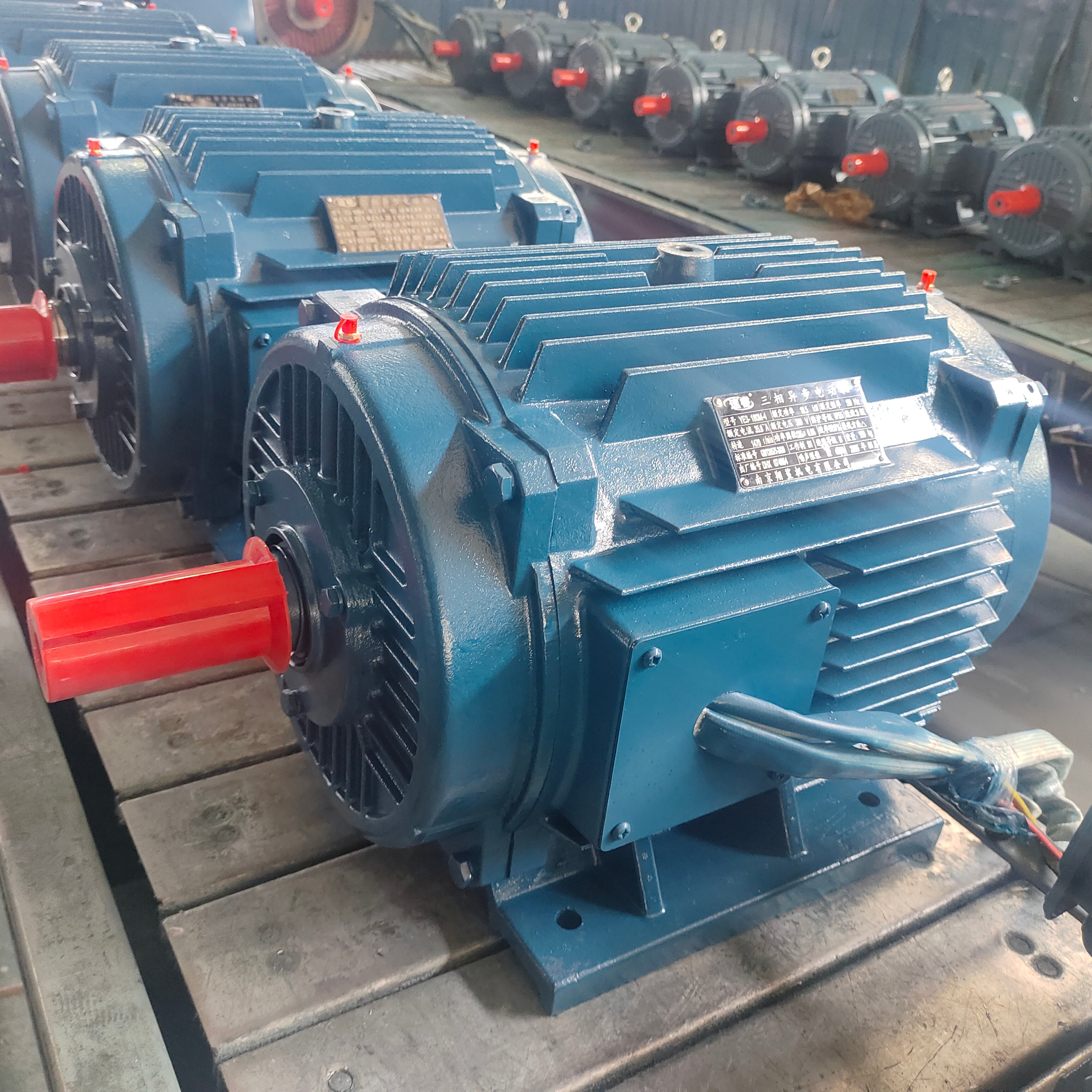
Energy efficiency in industrial operations has become a critical factor for businesses seeking to reduce operational costs and meet sustainability goals. When it comes to motor systems, asynchronous motor installations represent the majority of industrial power consumption, making their efficiency optimization a priority for facility managers and engineers. Understanding how to maximize the performance of these systems while minimizing energy waste can result in significant cost savings and improved environmental impact.
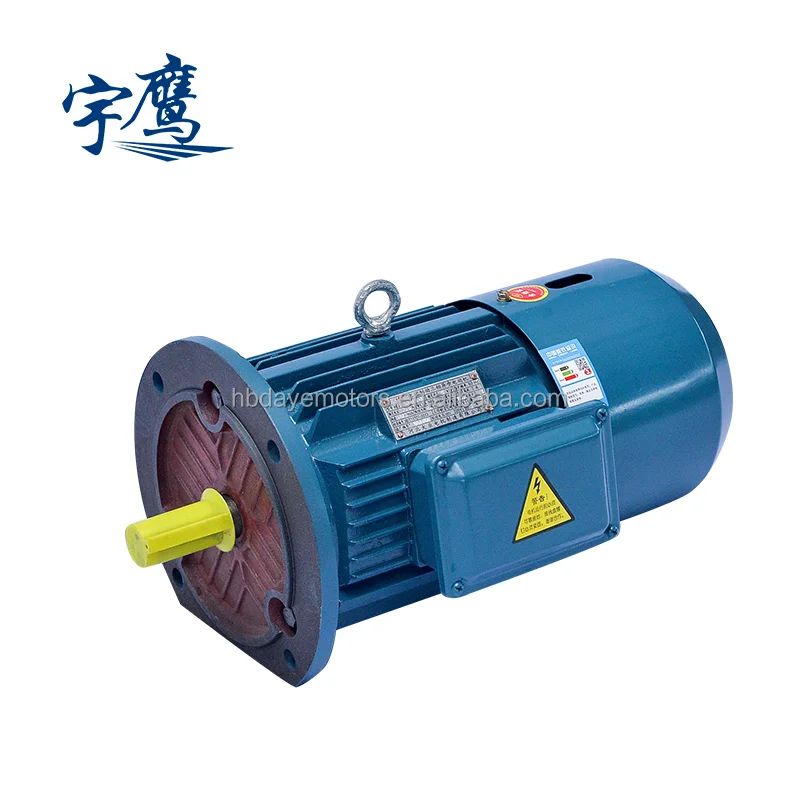
Implementing effective energy efficiency strategies for asynchronous motor systems requires a comprehensive approach that addresses selection criteria, operational parameters, maintenance practices, and advanced control technologies. The potential for energy savings in these systems is substantial, often ranging from 10% to 30% depending on the current system configuration and the efficiency measures implemented. This guide provides practical insights and actionable strategies that industrial professionals can apply to optimize their asynchronous motor operations.
Understanding Asynchronous Motor Energy Consumption Patterns
Load Characteristics and Efficiency Curves
The energy efficiency of an asynchronous motor varies significantly depending on its load characteristics and operating conditions. These motors typically achieve peak efficiency when operating at 75% to 100% of their rated load capacity. Operating an asynchronous motor at partial loads below 50% can reduce efficiency substantially, often dropping efficiency ratings by 10% to 20% compared to optimal loading conditions.
Understanding the relationship between motor loading and efficiency is crucial for system optimization. When an asynchronous motor operates at light loads, the fixed losses such as magnetizing current and core losses represent a larger percentage of the total input power, resulting in reduced overall efficiency. This phenomenon explains why oversized motors, while providing safety margins, can significantly increase energy consumption in applications with variable or reduced load requirements.
Motor efficiency curves also demonstrate the importance of proper sizing and selection. An asynchronous motor designed for a specific application should be selected based on actual load requirements rather than worst-case scenarios. This approach ensures that the motor operates within its optimal efficiency range for the majority of its operational time, maximizing energy savings throughout its service life.
Power Factor Considerations
Power factor plays a crucial role in the overall energy efficiency of asynchronous motor systems. Low power factor conditions not only increase utility costs through demand charges but also indicate inefficient energy utilization within the motor system. An asynchronous motor with poor power factor draws excessive reactive current, which increases losses in the distribution system and reduces the effective capacity of electrical infrastructure.
Monitoring and improving power factor in asynchronous motor installations involves understanding the relationship between real power, reactive power, and apparent power. Motors operating at partial loads typically exhibit lower power factors, which compounds the efficiency losses associated with light loading conditions. This relationship emphasizes the importance of proper motor sizing and load management strategies.
Power factor correction techniques, such as capacitor banks or active power factor correction systems, can significantly improve the overall efficiency of asynchronous motor installations. However, these solutions must be carefully engineered to avoid over-correction, which can lead to voltage instability and potential motor damage during light load conditions.
Optimal Motor Selection and Sizing Strategies
Right-Sizing Methodology
Proper sizing of an asynchronous motor begins with accurate load analysis and understanding the application's duty cycle. Many industrial installations suffer from oversized motors that were selected based on conservative safety factors or worst-case operating scenarios that rarely occur in practice. This oversizing leads to continuous efficiency penalties and increased energy consumption throughout the motor's operational life.
The right-sizing process for an asynchronous motor should consider both steady-state and transient load requirements. Engineers must analyze the actual load profile over time, including startup conditions, peak demands, and typical operating ranges. This analysis enables the selection of a motor that operates within its optimal efficiency zone for the majority of its service time while still providing adequate performance margins for occasional peak demands.
Modern sizing methodologies also incorporate energy cost analysis to determine the economic impact of different motor selections. While a slightly larger asynchronous motor may have a lower initial cost, the long-term energy consumption penalties often justify the investment in a properly sized, higher-efficiency unit. This life-cycle cost approach ensures optimal economic and energy performance.
High-Efficiency Motor Technologies
Premium efficiency and super premium efficiency asynchronous motor designs offer significant energy savings compared to standard efficiency units. These advanced motors incorporate improved materials, optimized magnetic designs, and enhanced manufacturing processes to reduce losses and improve performance. The efficiency improvements typically range from 2% to 5% compared to standard motors, which translates to substantial energy savings over the motor's operational life.
The construction differences in high-efficiency asynchronous motor designs include larger conductor cross-sections, higher-grade steel laminations, and optimized air gap dimensions. These design improvements reduce resistive losses, core losses, and friction losses, resulting in improved overall efficiency across the motor's operating range. The initial cost premium for these motors is typically recovered within 1 to 3 years through reduced energy consumption.
When selecting high-efficiency asynchronous motor technologies, engineers should consider the specific application requirements and operating conditions. Factors such as ambient temperature, duty cycle, and load characteristics all influence the potential energy savings achievable with premium efficiency designs. Proper application of these technologies ensures maximum return on investment while improving system sustainability.
Variable Frequency Drive Integration
VFD Technology Benefits
Variable frequency drives (VFDs) represent one of the most effective technologies for improving asynchronous motor energy efficiency, particularly in applications with variable load requirements. By controlling motor speed and torque output to match actual process demands, VFDs can reduce energy consumption by 20% to 50% in suitable applications. The energy savings are most pronounced in centrifugal applications such as pumps and fans, where power consumption decreases with the cube of speed reduction.
The integration of VFD technology with an asynchronous motor system enables precise control of motor operation, eliminating energy waste associated with throttling valves, dampers, and other mechanical flow control methods. This electronic control approach provides superior process control while simultaneously reducing energy consumption and mechanical wear on system components.
Modern VFD systems also incorporate advanced features such as energy optimization algorithms, power factor correction, and harmonic filtering. These capabilities enhance the overall efficiency of the asynchronous motor installation while improving power quality and reducing electrical system stress. The combination of motor control and power conditioning functions in a single device simplifies system design and reduces installation complexity.
Application-Specific VFD Configuration
Proper configuration of VFD systems for asynchronous motor applications requires careful attention to application characteristics and performance requirements. Different load types, such as constant torque, variable torque, and constant power applications, require specific VFD programming and control strategies to achieve optimal energy efficiency. Understanding these application differences is essential for maximizing the energy-saving potential of VFD technology.
The selection of VFD control modes significantly impacts energy efficiency in asynchronous motor systems. Vector control methods provide superior efficiency compared to scalar control approaches, particularly at low speeds and light loads. These advanced control algorithms optimize the relationship between motor flux and torque, ensuring efficient operation across the entire speed range while maintaining precise process control.
VFD parameter optimization involves fine-tuning acceleration and deceleration rates, switching frequencies, and control algorithms to match the specific characteristics of the asynchronous motor and driven load. This optimization process can yield additional energy savings of 5% to 10% beyond the basic speed control benefits, making it a worthwhile investment for large motor installations or critical applications.
Maintenance Practices for Energy Efficiency
Preventive Maintenance Protocols
Regular maintenance of asynchronous motor systems is essential for maintaining optimal energy efficiency throughout the motor's service life. Preventive maintenance protocols should address all components that affect motor performance, including bearings, windings, cooling systems, and electrical connections. Neglected maintenance can reduce motor efficiency by 5% to 15%, significantly increasing operating costs over time.
Bearing maintenance represents a critical aspect of asynchronous motor efficiency preservation. Worn or improperly lubricated bearings increase friction losses and can cause shaft misalignment, both of which reduce motor efficiency and increase energy consumption. Implementing proper lubrication schedules and bearing condition monitoring helps maintain optimal mechanical efficiency while extending motor life.
Electrical connection maintenance involves regular inspection and tightening of terminal connections, motor control center connections, and power distribution components. Loose or corroded connections create resistance heating and voltage drops that reduce the effective voltage supplied to the asynchronous motor. These voltage reductions can significantly impact motor efficiency and performance, particularly during startup and high-load conditions.
Condition Monitoring Technologies
Advanced condition monitoring technologies enable predictive maintenance strategies that optimize asynchronous motor efficiency while minimizing unexpected failures. Vibration analysis, thermal imaging, and electrical signature analysis provide early warning of developing problems that could impact energy efficiency. These monitoring techniques allow maintenance teams to address issues before they result in significant efficiency degradation or costly failures.
Motor current signature analysis (MCSA) represents a particularly valuable tool for monitoring asynchronous motor condition and efficiency. This technology analyzes the electrical current patterns to detect rotor problems, bearing issues, and load abnormalities that affect motor performance. Early detection of these problems enables corrective action before efficiency losses become significant, maintaining optimal energy consumption throughout the motor's service life.
Power quality monitoring systems track voltage, current, and power factor parameters that directly impact asynchronous motor efficiency. These systems can identify power quality issues such as voltage unbalance, harmonic distortion, and voltage variations that reduce motor efficiency and increase energy consumption. Addressing power quality problems often yields immediate efficiency improvements and extends motor life.
System-Level Optimization Strategies
Load Management Techniques
Effective load management strategies can significantly improve the overall efficiency of asynchronous motor systems by optimizing operating patterns and reducing peak demand periods. Load scheduling and demand management techniques help ensure that motors operate within their optimal efficiency ranges while minimizing utility demand charges and energy costs.
Sequential motor starting strategies prevent simultaneous startup of multiple asynchronous motor units, reducing peak demand charges and minimizing voltage disturbances that can affect motor efficiency. These techniques are particularly beneficial in facilities with multiple large motor installations where coordinated operation can yield substantial energy and cost savings.
Process optimization approaches focus on matching motor operation to actual process requirements rather than running motors continuously at full capacity. Asynchronous motor systems benefit from operational strategies that minimize unnecessary runtime and optimize loading patterns based on production schedules and process demands.
Energy Management Integration
Integration of asynchronous motor systems with comprehensive energy management systems enables automated optimization of motor operation based on real-time energy costs, demand patterns, and process requirements. These systems can automatically adjust motor operation to minimize energy costs while maintaining required process performance levels.
Smart grid integration capabilities allow asynchronous motor systems to participate in demand response programs and take advantage of time-of-use electricity rates. Automated control systems can shift motor operation to periods of lower electricity costs when process requirements permit, resulting in significant energy cost savings without compromising production goals.
Data analytics and machine learning technologies are increasingly being applied to optimize asynchronous motor system efficiency. These advanced systems analyze historical operating data to identify efficiency improvement opportunities and predict optimal operating parameters for changing process conditions. The continuous optimization capabilities of these systems can yield ongoing efficiency improvements as operating conditions evolve.
FAQ
What is the most effective way to improve asynchronous motor energy efficiency?
The most effective approach combines proper motor sizing with variable frequency drive integration for applications with variable loads. Ensuring that the asynchronous motor operates at 75-100% of rated load and implementing VFD control can achieve energy savings of 20-50% in suitable applications. Additionally, regular maintenance and power quality optimization contribute significantly to maintaining peak efficiency throughout the motor's service life.
How much energy can be saved by upgrading to premium efficiency asynchronous motors?
Premium efficiency asynchronous motor designs typically offer 2-5% improved efficiency compared to standard motors, which translates to substantial energy savings over the motor's operational life. For a 100 HP motor operating 8,000 hours annually, this efficiency improvement can save 8,000-20,000 kWh per year. The payback period for premium efficiency motors is typically 1-3 years, making them an excellent investment for energy cost reduction.
When should variable frequency drives be considered for asynchronous motor applications?
VFDs should be considered for asynchronous motor applications with variable load requirements, particularly pumps, fans, and compressors where flow rates vary. The greatest energy savings occur in centrifugal applications where reducing speed by 20% can decrease power consumption by nearly 50%. VFDs are most cost-effective in applications where motors operate at less than full load for significant portions of their operating cycle.
What maintenance practices have the greatest impact on asynchronous motor efficiency?
Regular bearing lubrication and alignment checks have the greatest impact on maintaining asynchronous motor efficiency. Proper bearing maintenance prevents friction losses and mechanical inefficiencies that can reduce motor performance by 5-15%. Additionally, maintaining clean motor cooling surfaces, tight electrical connections, and monitoring power quality helps preserve optimal efficiency throughout the motor's service life. Implementing condition monitoring technologies enables predictive maintenance that prevents efficiency degradation before it becomes significant.
Table of Contents
- Understanding Asynchronous Motor Energy Consumption Patterns
- Optimal Motor Selection and Sizing Strategies
- Variable Frequency Drive Integration
- Maintenance Practices for Energy Efficiency
- System-Level Optimization Strategies
-
FAQ
- What is the most effective way to improve asynchronous motor energy efficiency?
- How much energy can be saved by upgrading to premium efficiency asynchronous motors?
- When should variable frequency drives be considered for asynchronous motor applications?
- What maintenance practices have the greatest impact on asynchronous motor efficiency?