
 EN
EN
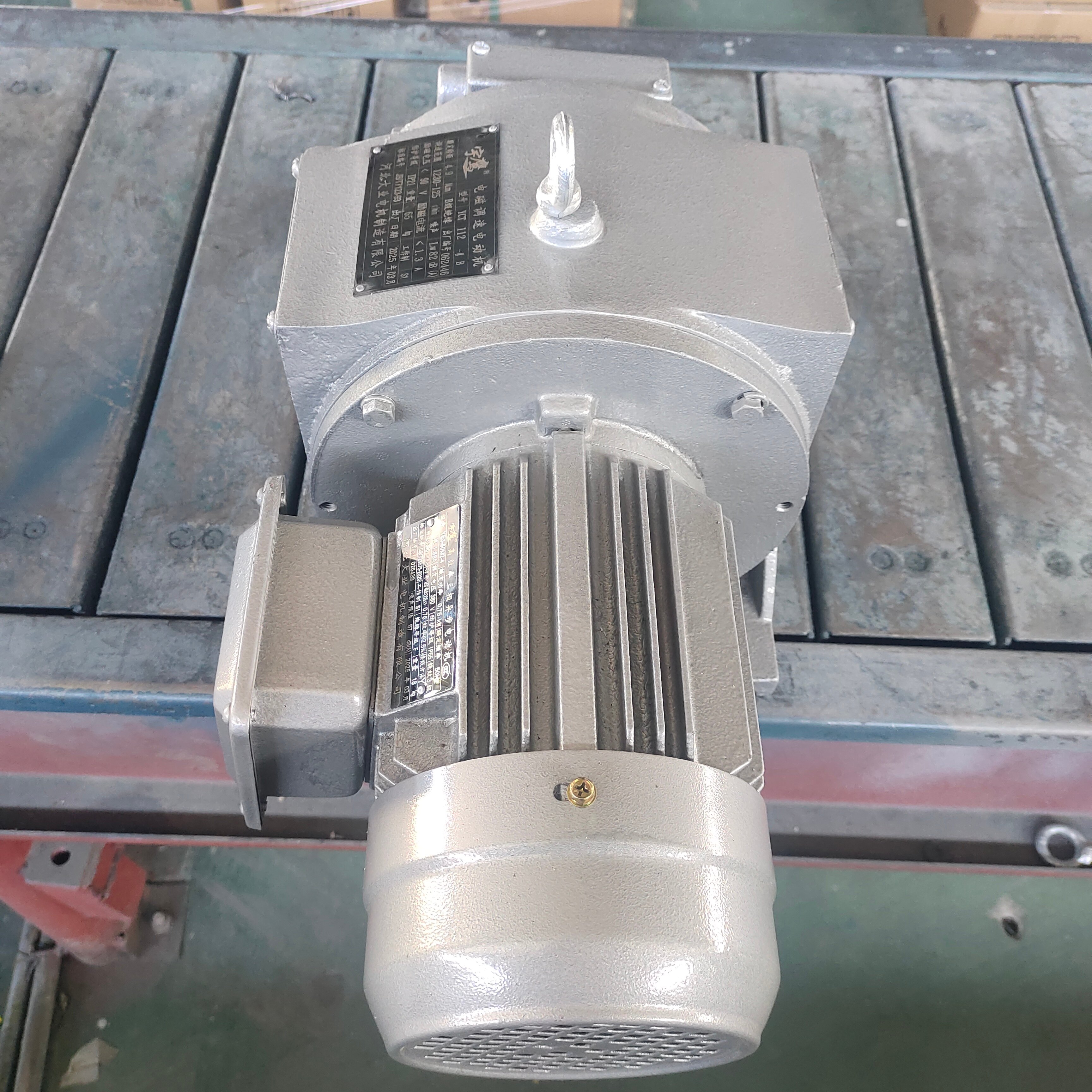
Modern manufacturing facilities rely heavily on energy-efficient systems to maintain competitive operations while reducing operational costs. The selection and implementation of an appropriate industrial motor system directly impacts both productivity and energy consumption across various applications. Understanding the fundamental principles of industrial motor technology enables facility managers and engineers to make informed decisions that optimize performance while minimizing environmental impact. Today's advanced industrial motor solutions offer unprecedented efficiency levels, helping organizations meet stringent energy regulations while maintaining robust operational capabilities.
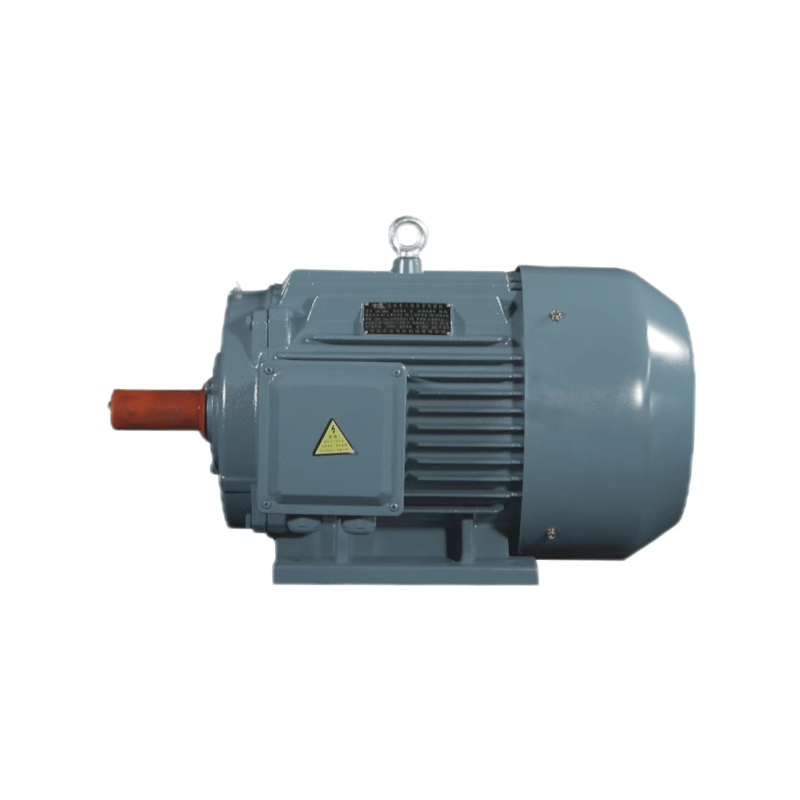
Understanding Industrial Motor Technology Fundamentals
Core Operating Principles
An industrial motor converts electrical energy into mechanical motion through electromagnetic induction, providing reliable power for countless manufacturing processes. The basic construction includes a stationary stator containing electromagnetic windings and a rotating rotor that generates torque when energized. Three-phase asynchronous motors represent the most common industrial motor configuration due to their robust design and excellent power-to-weight ratio. These systems operate on alternating current supplied through three separate phases, creating a rotating magnetic field that drives the rotor assembly.
The efficiency of any industrial motor depends on several critical factors including magnetic core materials, winding configuration, and mechanical construction tolerances. Premium efficiency motors utilize superior steel laminations and copper windings to minimize energy losses during operation. Advanced bearing systems and precision manufacturing techniques further enhance performance while extending operational lifespan. Modern industrial motor designs incorporate sophisticated cooling systems to maintain optimal operating temperatures under varying load conditions.
Performance Classification Systems
International standards define industrial motor efficiency classes to help users identify optimal solutions for specific applications. The IE efficiency classification system ranges from IE1 standard efficiency through IE4 super premium efficiency ratings. Each classification level represents measurable improvements in energy conversion efficiency and operational performance. Higher efficiency ratings typically require advanced materials and precision manufacturing processes that increase initial investment costs while providing substantial long-term savings.
Power ratings for industrial motor applications span from fractional horsepower units to multi-megawatt installations serving heavy industrial processes. Common power ranges include 1-10 HP for light industrial applications, 10-100 HP for medium-duty operations, and 100+ HP for heavy-duty manufacturing processes. Speed characteristics vary according to pole configuration and frequency, with standard speeds including 3600, 1800, 1200, and 900 RPM at 60 Hz operation. Variable frequency drives enable precise speed control across the entire operational range.
Energy Efficiency Optimization Strategies
Advanced Motor Selection Criteria
Selecting the most appropriate industrial motor requires careful analysis of load characteristics, duty cycles, and environmental operating conditions. Continuous duty applications demand motors designed for 24/7 operation with robust thermal management systems. Intermittent duty cycles allow for higher power density designs that optimize initial equipment costs. Environmental factors including temperature extremes, humidity levels, and potential exposure to corrosive substances influence material selection and enclosure requirements.
Load matching represents a critical factor in achieving optimal energy efficiency from any industrial motor installation. Oversized motors operating at partial load conditions exhibit reduced efficiency and increased energy consumption. Conversely, undersized motors experience excessive heating and premature failure when subjected to overload conditions. Professional load analysis ensures proper motor sizing that maximizes efficiency while providing adequate safety margins for varying operational demands.
Integration with Variable Frequency Drives
Variable frequency drive technology enables precise speed control while maintaining high efficiency across varying load conditions. These sophisticated electronic systems adjust motor speed by modifying supply frequency and voltage in response to process requirements. VFD-controlled industrial motor systems typically achieve 20-50% energy savings compared to constant-speed installations with mechanical flow control devices. Advanced drive features include regenerative braking, power factor correction, and harmonic mitigation capabilities.
Modern VFD systems incorporate intelligent control algorithms that optimize motor performance based on real-time operating conditions. These systems monitor parameters including motor current, voltage, temperature, and vibration to maintain peak efficiency while preventing damage from adverse conditions. Predictive maintenance capabilities enable early detection of potential issues before they result in unexpected downtime or catastrophic failure. Remote monitoring and control capabilities facilitate integration with plant-wide automation systems.
Industrial Motor Applications and Specifications
Manufacturing Process Integration
Industrial motor applications span virtually every manufacturing sector, from food processing and pharmaceutical production to heavy metal fabrication and chemical processing. Pumps and compressors represent the largest category of industrial motor applications, accounting for approximately 60% of total motor-driven load in typical facilities. Conveyor systems, mixing equipment, and machine tools constitute additional major application categories that rely on reliable motor technology. Each application category presents unique requirements for speed control, torque characteristics, and environmental protection.
Process-critical applications require industrial motor systems with enhanced reliability features and redundant safety systems. Emergency shutdown capabilities, explosion-proof enclosures, and special mounting configurations address specific industry requirements. Food-grade applications demand motors with smooth surfaces and special coatings to facilitate cleaning and prevent contamination. Chemical processing environments require corrosion-resistant materials and sealed construction to withstand aggressive chemical exposure.
Power and Efficiency Specifications
Contemporary industrial motor efficiency standards require careful consideration of both initial equipment costs and long-term operational expenses. Premium efficiency motors typically cost 15-25% more than standard efficiency alternatives while providing 2-8% improvement in energy conversion efficiency. The payback period for higher efficiency industrial motor investments ranges from 1-3 years depending on operating hours and local electricity costs. Life-cycle cost analysis demonstrates substantial savings over typical 15-20 year motor operational lifespans.
Power factor considerations become increasingly important for larger industrial motor installations due to utility demand charges and power quality requirements. Modern motor designs incorporate features to maintain power factors above 0.85 across normal operating ranges. Capacitor correction systems can further improve power factor performance while reducing reactive power demand charges. Advanced monitoring systems track power quality parameters to optimize overall electrical system efficiency.
Maintenance and Reliability Considerations
Preventive Maintenance Programs
Effective maintenance programs significantly extend industrial motor operational life while maintaining peak efficiency throughout the service period. Regular inspection schedules should include visual examination of mounting systems, electrical connections, and cooling air passages. Vibration analysis helps identify developing mechanical issues before they result in catastrophic failure. Thermal imaging surveys detect electrical connection problems and bearing deterioration that compromise motor performance.
Bearing maintenance represents the most critical aspect of industrial motor care, as bearing failures account for approximately 40% of motor breakdowns. Proper lubrication schedules and high-quality grease selection prevent premature bearing wear while maintaining smooth operation. Over-lubrication can be as damaging as insufficient lubrication, making precise application quantities essential. Temperature monitoring systems provide early warning of bearing deterioration before damage occurs.
Troubleshooting Common Issues
Electrical problems in industrial motor systems often manifest as abnormal current draw, overheating, or irregular operation patterns. Phase imbalance conditions can result from utility supply issues or internal winding problems that require immediate attention. Ground fault conditions present safety hazards and potential fire risks that demand emergency shutdown procedures. Regular electrical testing using appropriate test equipment helps identify developing problems before they cause operational disruptions.
Mechanical issues typically involve bearing wear, shaft misalignment, or coupling problems that create vibration and noise during operation. Precision alignment procedures using laser alignment equipment ensure proper shaft positioning that minimizes bearing loads and extends operational life. Belt-driven applications require proper tension adjustment and regular belt condition inspection to maintain efficient power transmission. Foundation settling or thermal expansion can affect alignment conditions over time.
Future Trends in Industrial Motor Technology
Smart Motor Integration
Emerging technologies are transforming traditional industrial motor systems into intelligent, connected devices that provide real-time operational data and predictive maintenance capabilities. Internet of Things integration enables remote monitoring of motor performance parameters including temperature, vibration, power consumption, and efficiency metrics. Machine learning algorithms analyze historical performance data to predict maintenance requirements and optimize operational parameters automatically.
Digital twin technology creates virtual representations of physical industrial motor installations that enable advanced simulation and optimization studies. These systems model motor performance under various operating conditions to identify efficiency improvements and predict component lifecycles. Artificial intelligence applications optimize motor control strategies based on real-time process requirements and energy cost fluctuations. Advanced analytics platforms provide actionable insights that improve overall system performance.
Environmental Compliance and Sustainability
Increasingly stringent environmental regulations drive development of more efficient industrial motor technologies that reduce energy consumption and carbon emissions. Government incentive programs encourage replacement of older, less efficient motors with premium efficiency alternatives. Carbon footprint reduction initiatives make industrial motor efficiency a key performance indicator for sustainable manufacturing operations. Advanced recycling programs recover valuable materials from end-of-life motors while minimizing environmental impact.
Next-generation industrial motor designs incorporate renewable materials and environmentally friendly manufacturing processes wherever possible. Rare earth magnet alternatives reduce dependence on limited mineral resources while maintaining performance characteristics. Bio-based insulation materials and recyclable housing components support circular economy principles. Energy recovery systems capture waste heat from motor operation for facility heating or process applications, further improving overall energy efficiency.
FAQ
What factors should be considered when selecting an industrial motor for a specific application
The primary factors include load characteristics such as starting torque requirements, speed variations, and duty cycle patterns. Environmental conditions including temperature extremes, humidity levels, and potential chemical exposure influence enclosure and material selections. Power requirements, efficiency ratings, and integration with existing control systems determine optimal motor specifications. Additionally, consider maintenance accessibility, spare parts availability, and total cost of ownership over the expected operational lifespan.
How do variable frequency drives improve industrial motor efficiency
Variable frequency drives optimize motor speed based on actual process requirements rather than running at constant speed with mechanical throttling devices. This approach typically reduces energy consumption by 20-50% in applications with varying load demands. VFDs also provide soft-start capabilities that reduce mechanical stress and electrical demand during startup sequences. Advanced drive features include regenerative braking that returns energy to the electrical system during deceleration cycles.
What are the key maintenance requirements for industrial motors
Regular maintenance includes visual inspections of mounting hardware, electrical connections, and ventilation systems to ensure proper operation. Bearing lubrication according to manufacturer specifications prevents premature wear and maintains smooth operation. Vibration monitoring and thermal imaging help identify developing problems before they cause failures. Electrical testing including insulation resistance and power quality measurements ensures safe and efficient operation throughout the service life.
How long do industrial motors typically last with proper maintenance
Well-maintained industrial motor systems typically operate reliably for 15-20 years or more depending on application severity and operating conditions. Premium efficiency motors often feature enhanced construction that extends operational life beyond standard efficiency alternatives. Proper installation, regular maintenance, and appropriate operating conditions significantly influence actual service life. Environmental factors such as temperature extremes, contamination, and vibration can reduce expected lifespan if not properly managed through appropriate motor selection and protection systems.