Erinomaiset materiaaliominaisuudet ja suunnittelun joustavuus
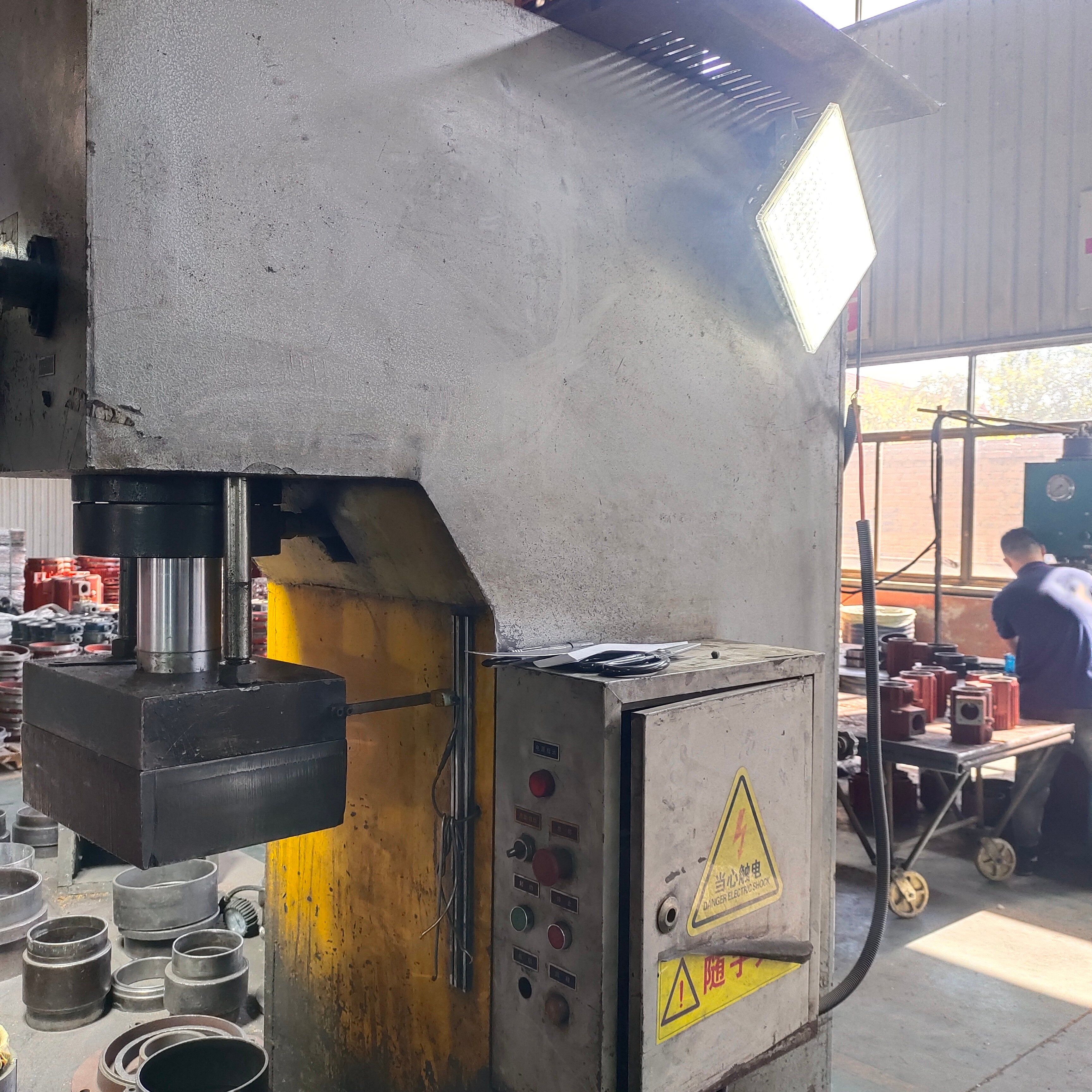
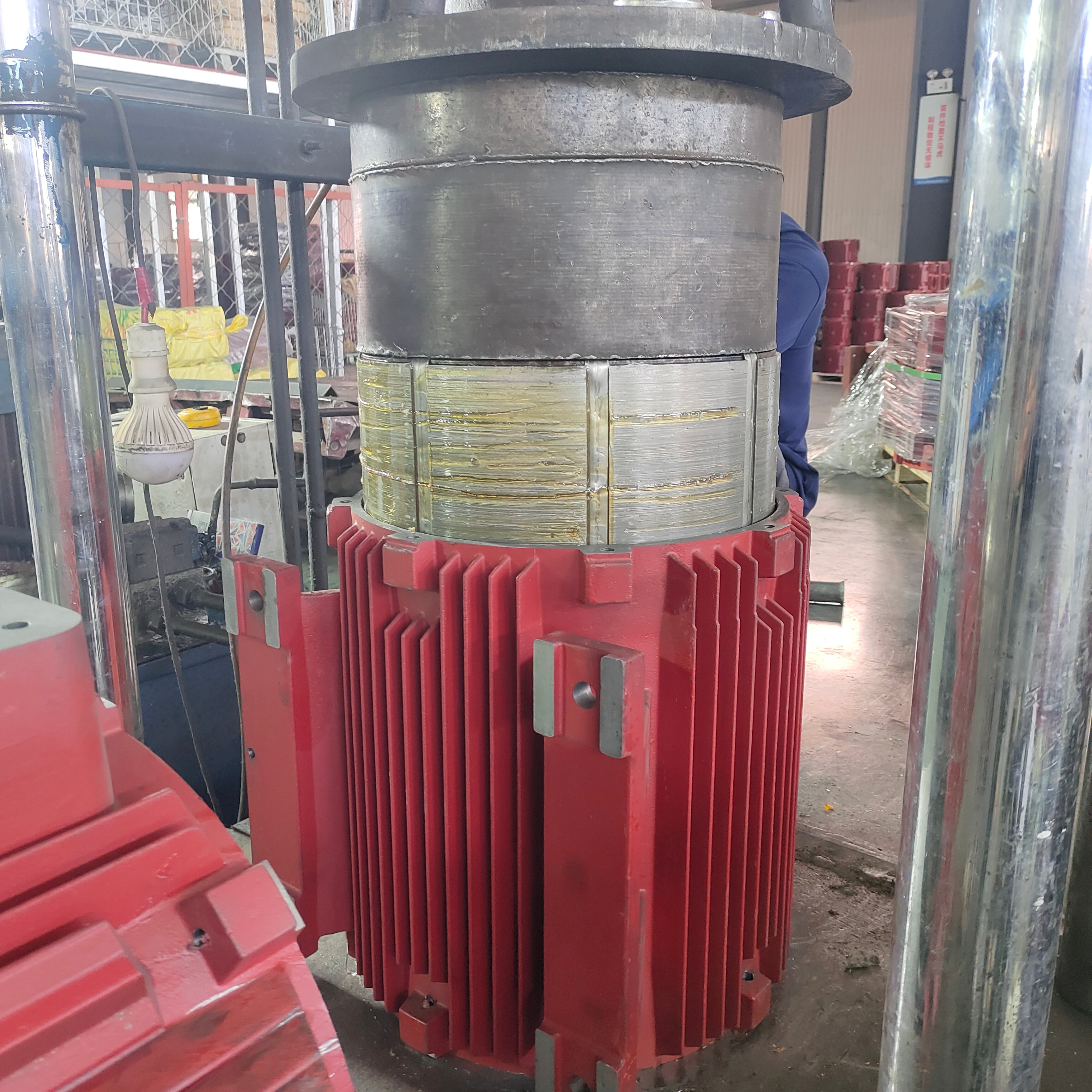
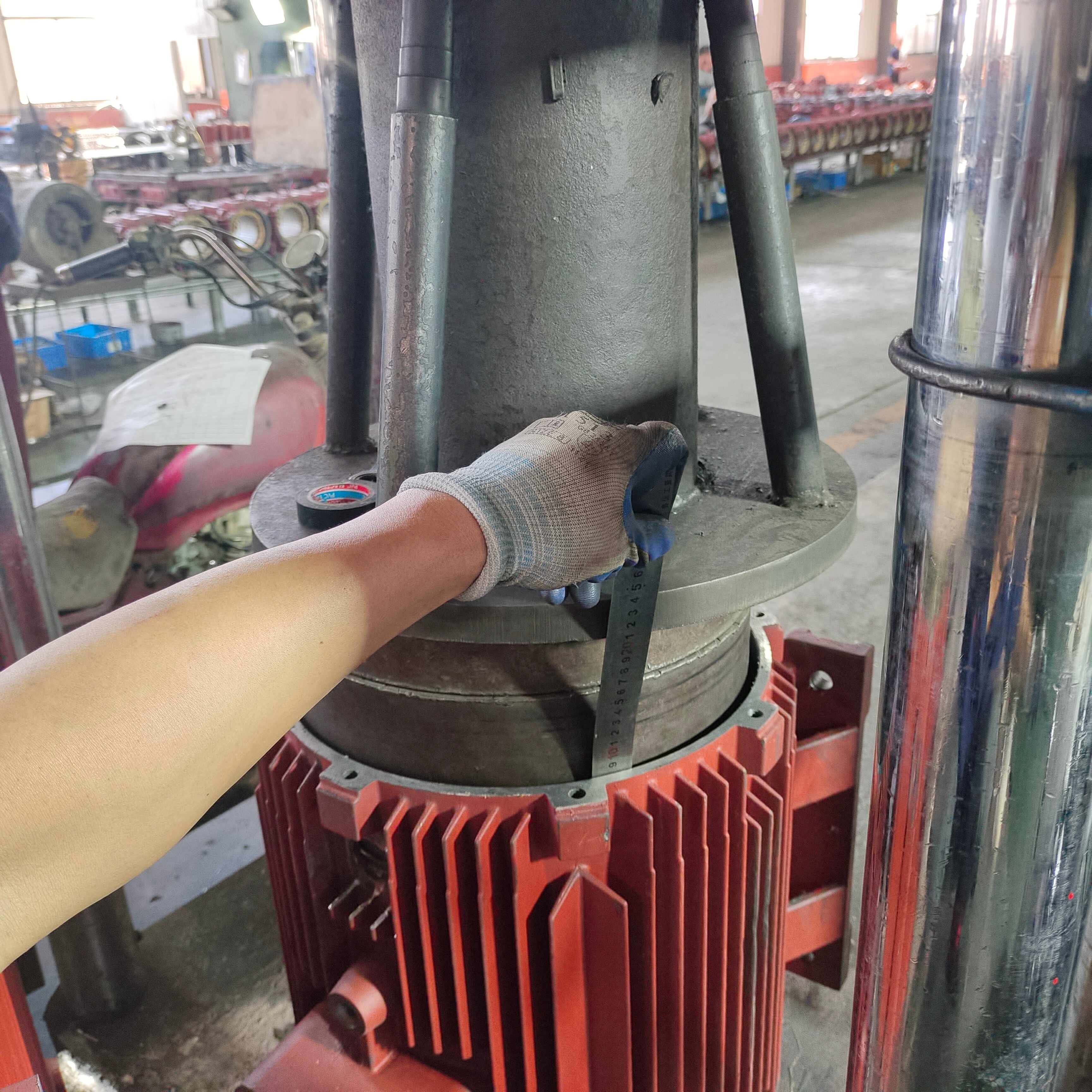
Painovalu tarjoaa erinomaiset materiaaliominaisuudet ja ennennäkemättömän suuren suunnitteluvapauden, joiden ansiosta insinöörit voivat luoda komponentteja optimaalisilla suorituskykyominaisuuksilla samalla kun säilytetään kustannustehokas valmistus. Painovalun perustavanlaatuinen korkeapaineinen ruiskutusprosessi tuottaa tiheät, ilmaraot vapaat valut, joilla on mekaaniset ominaisuudet, jotka usein ylittävät muiden valmistusmenetelmien saavuttamat arvot. Tämä paine, joka tyypillisesti vaihtelee 10 000–30 000 psi välillä, takaa monimutkaisten muottikaviteettien täydellisen täyttymisen samalla poistaen huokoisuuden ja sisältyneet epäpuhtaudet, jotka voivat heikentää osan eheyttä. Painovalussa esiintyvät nopeat jäähtymisnopeudet edistävät hienojakoisen mikrorakenteen syntymistä, mikä parantaa vetolujuutta, väsymisvastusta ja komponenttien kokonaiskestävyyttä. Nämä erinomaiset materiaaliominaisuudet tekevät painovalusta ideaalin ratkaisun rakenteisiin sovelluksiin, joissa luotettavuus ja suorituskyky ovat kriittisiä vaatimuksia. Painovalun tarjoama suunnitteluvapaus mahdollistaa monimutkaisten geometrioiden, vaihtelevien seinämäpaksuuksien ja monimutkaisten sisäisten piirteiden integroinnin – asioita, jotka olisivat mahdottomia tai kohtuuttoman kalliita saavuttaa koneen- tai muiden muovausmenetelmien avulla. Die-castauksella voidaan onnistuneesti valaa seinämäosia, joiden paksuus on vain 0,5 mm, mikä mahdollistaa kevytrakenteiset ratkaisut, jotka säilyttävät rakenteellisen eheyden samalla kun vähennetään materiaalikulutusta. Sisäiset jäähdytyskanavat, kiinnitystukit ja kierteitä sisältävät elementit voidaan valaa suoraan komponentteihin painovalutekniikalla, mikä eliminoi jälkikäsittelytoimenpiteet ja vähentää kokoonpanon monimutkaisuutta. Monitasoisten geometrioiden ja alaviisteiden toteuttaminen on helppoa painovalulla edistyneiden työkalujärjestelmien avulla, jotka sisältävät liukuosia, ytimiä ja taittuvia mekanismeja. Tämä suunnitteluvapaus mahdollistaa useiden erillisten valmistettujen osien yhdistämisen yhdeksi valukomponentiksi, mikä vähentää osamääriä, kokoonpanoajan ja mahdollisia vianpaikkoja valmiissa tuotteessa. Pintatekstuuri ja koristepiirteet voidaan integroida suoraan painovalumuottiin, mikä poistaa tarpeen jälkikäsittelylle esteettistä parantamista varten. Painovalulla saavutettava tarkkuus mahdollistaa toiminnallisten pintojen, kuten tiivistepintojen, laakeripintojen ja optisten elementtien, valmistuksen täsmällisillä suorituskykyvaatimuksilla ilman lisäkoneenjälkikäsittelyä.
 EN
EN
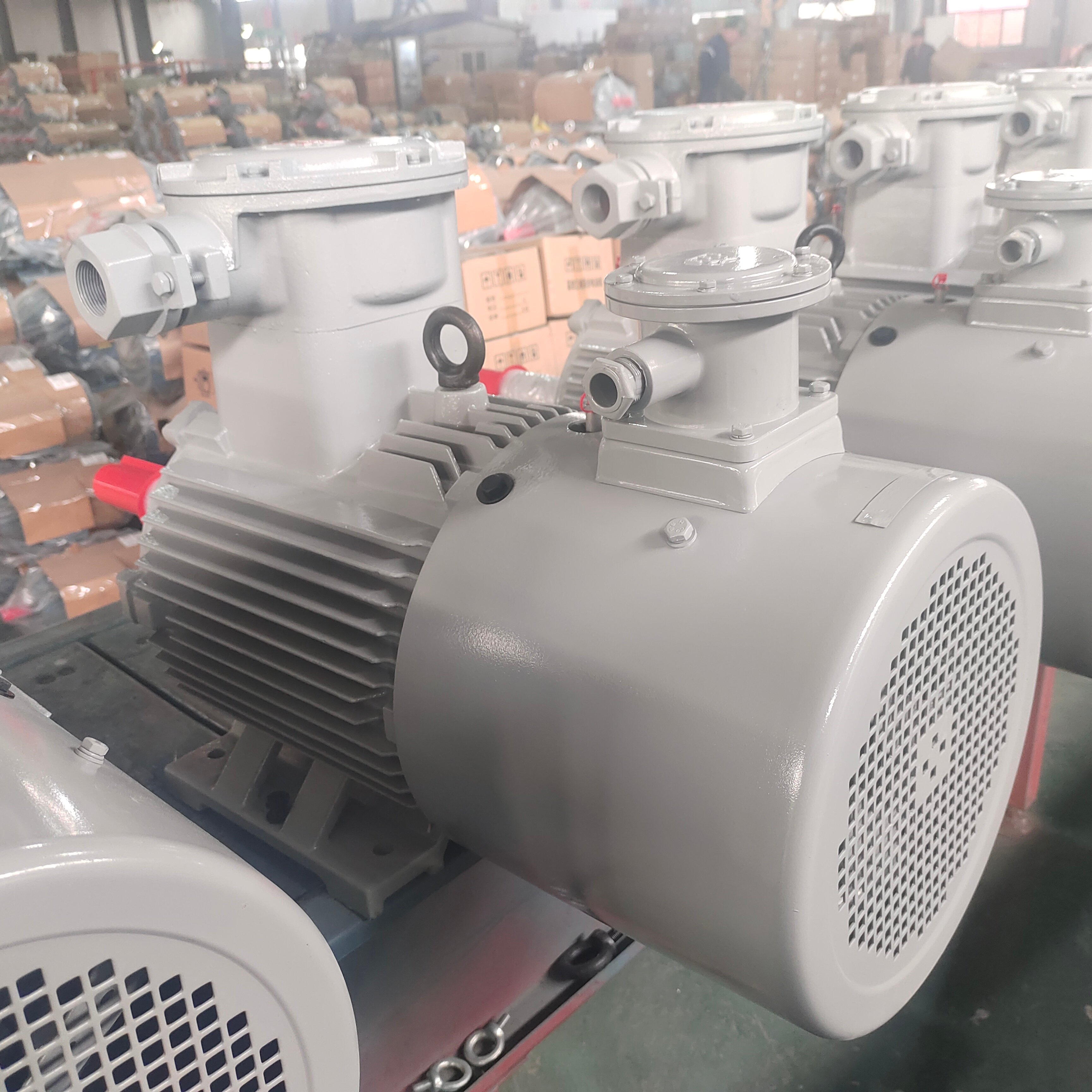
![[YBBP80M1-8 - YBBP160L-8] [0,18-7,5kw] [0,2-10,2hp] PALOLIIKEVAIHEINEN ASYNKRONIMOTORI](https://shopcdnalpha.grainajz.com/category/405741/2986/fa575b66602ad08a4be3654adcf6c5fb/YBBP%E9%98%B2%E7%88%86%E5%8F%98%E9%A2%91%E4%B8%89%E7%9B%B8%E5%BC%82%E6%AD%A5%E7%94%B5%E5%8A%A8%E6%9C%BA.jpg.png)