
 EN
EN
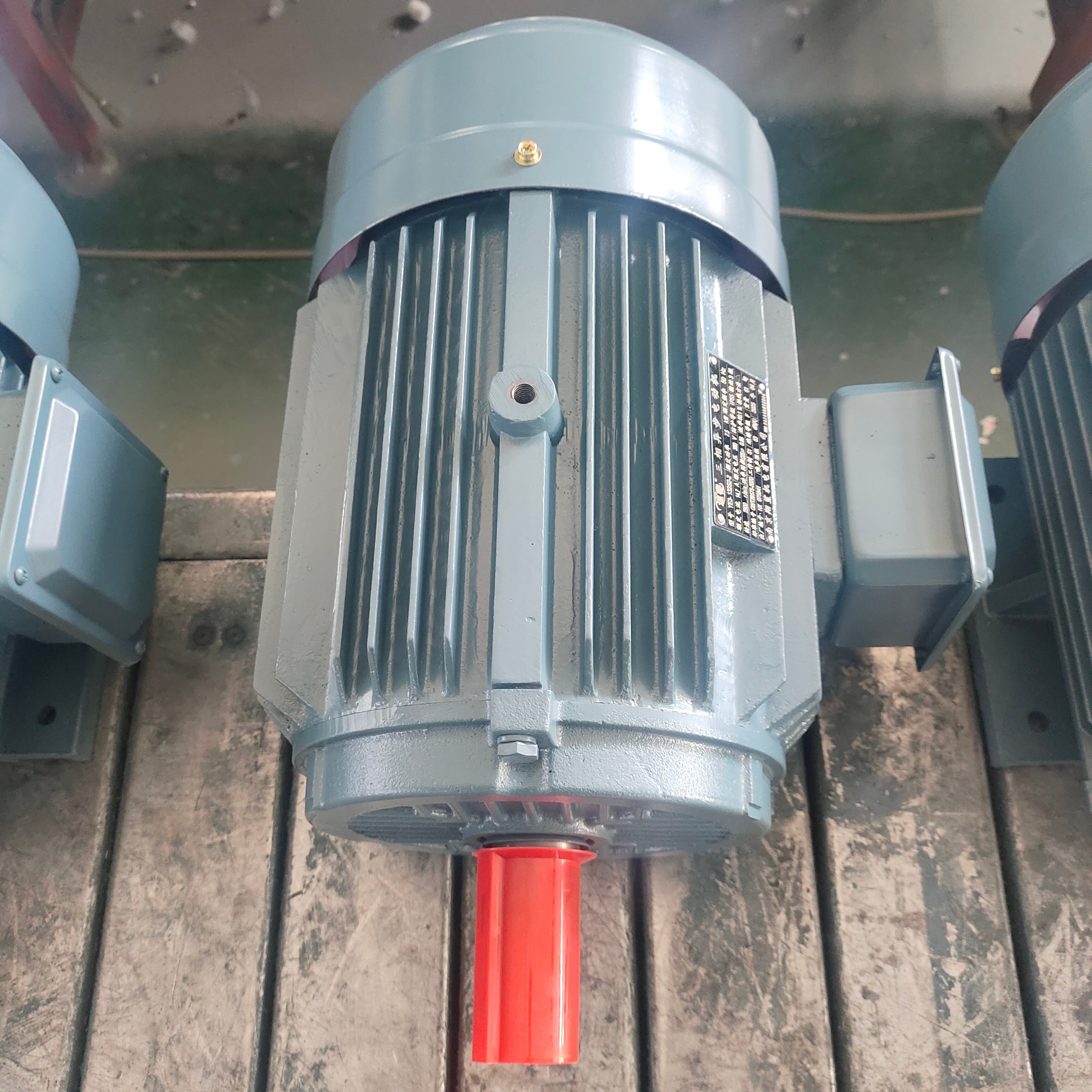
Selecting the proper asynchronous motor for industrial applications requires careful consideration of multiple technical and operational factors. These versatile electric machines serve as the backbone of modern manufacturing, powering everything from conveyor systems to heavy machinery. Understanding the fundamental characteristics and selection criteria for these motors ensures optimal performance, energy efficiency, and long-term reliability in demanding industrial environments.
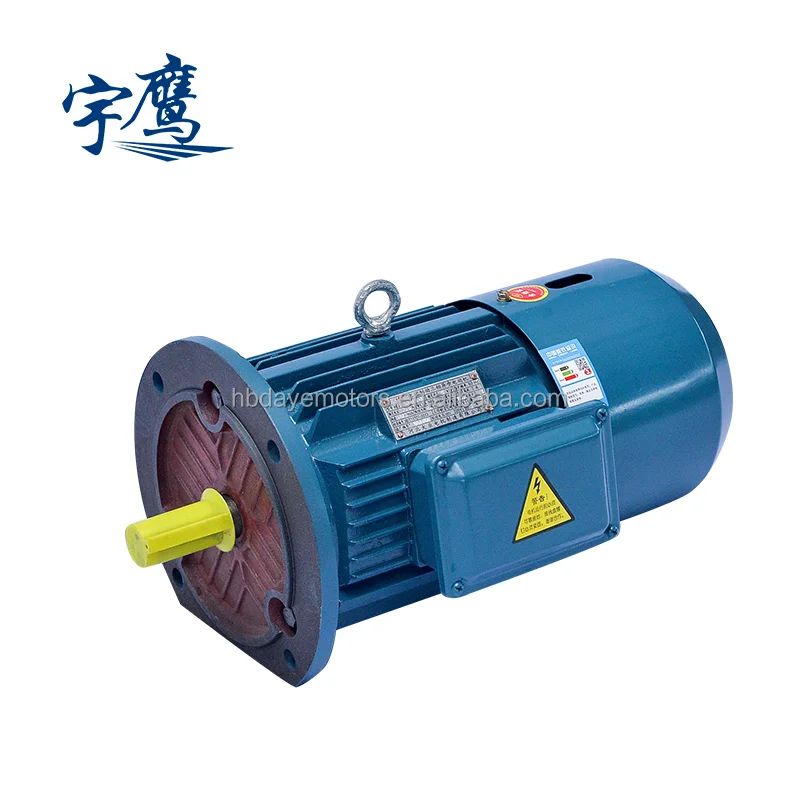
Understanding Asynchronous Motor Fundamentals
Basic Operating Principles
An asynchronous motor operates on the principle of electromagnetic induction, where the rotating magnetic field in the stator induces currents in the rotor windings. This induction creates a secondary magnetic field that interacts with the primary field, generating torque and rotation. The term asynchronous refers to the fact that the rotor speed is always slightly less than the synchronous speed of the rotating magnetic field, creating the necessary slip for torque production.
The slip characteristic is fundamental to understanding motor performance, as it directly affects efficiency, torque output, and speed regulation. Under normal operating conditions, slip typically ranges from 2% to 6% at full load, depending on the motor design and application requirements. This inherent slip provides the motor with excellent starting torque characteristics and natural speed regulation capabilities.
Construction and Design Variations
Modern asynchronous motors feature robust construction with squirrel cage or wound rotor designs, each offering distinct advantages for specific applications. Squirrel cage motors dominate industrial applications due to their simple construction, reliability, and maintenance-free operation. The rotor consists of aluminum or copper bars connected by end rings, creating a cage-like structure that eliminates the need for external connections or slip rings.
Wound rotor motors provide superior starting torque control and speed regulation through external resistance insertion in the rotor circuit. These motors excel in applications requiring high starting torque or variable speed operation without electronic controls. The additional complexity of slip rings and external resistors requires more maintenance but offers operational flexibility that justifies the increased complexity in specific applications.
Power Rating and Performance Specifications
Determining Proper Power Requirements
Accurate power rating selection forms the foundation of successful motor application, requiring detailed analysis of load characteristics, duty cycles, and environmental conditions. The rated power should accommodate the maximum continuous load with appropriate safety margins while considering factors such as altitude, ambient temperature, and voltage variations. Oversizing motors leads to reduced efficiency and power factor, while undersizing results in overheating and premature failure.
Load analysis must consider both steady-state and transient conditions, including starting requirements, peak loads, and duty cycle variations. The motor must handle the highest anticipated load while maintaining acceptable temperature rise and efficiency levels. Safety factors typically range from 1.15 to 1.25 for continuous duty applications, with higher factors for intermittent or cyclic loads.
Efficiency Classifications and Energy Considerations
Energy efficiency standards have evolved significantly, with premium efficiency motors becoming the industry standard for most applications. IE3 and IE4 efficiency classes offer substantial energy savings over standard efficiency motors, with payback periods often measured in months rather than years. The higher initial cost of premium efficiency motors is quickly offset by reduced operating costs, especially in continuous duty applications.
Power factor considerations become increasingly important in larger motors, as utilities often impose penalties for poor power factor. High-efficiency motors typically exhibit better power factor characteristics, reducing reactive power demands and improving overall system efficiency. The combination of high efficiency and improved power factor results in lower operating costs and reduced environmental impact.
Environmental and Application-Specific Factors
Environmental Protection and Enclosure Selection
Environmental conditions significantly impact motor selection, with protection ratings determining the appropriate enclosure type for specific applications. IP ratings define the level of protection against solid particles and liquid ingress, with IP55 being common for general industrial applications and IP66 required for harsh environments. Consideration of ambient temperature, humidity, altitude, and atmospheric conditions ensures reliable operation throughout the motor's service life.
Special environmental considerations include corrosive atmospheres, explosive environments, and extreme temperatures. Motors operating in chemical processing plants require corrosion-resistant materials and special coatings, while hazardous location motors must meet strict safety standards to prevent ignition sources. Marine applications demand additional protection against salt spray and moisture infiltration.
Mounting and Installation Requirements
Proper mounting configuration affects motor performance, maintenance accessibility, and thermal management. Standard mounting positions include horizontal foot-mounted, vertical shaft up, and vertical shaft down configurations, each presenting unique considerations for bearing selection, lubrication, and cooling. The mounting arrangement must accommodate thermal expansion, vibration isolation, and alignment requirements while providing adequate access for maintenance procedures.
Foundation design and installation practices directly impact motor life and performance, requiring attention to alignment tolerances, vibration transmission, and structural adequacy. Soft foot conditions and misalignment create additional stresses that reduce bearing life and increase energy consumption. Proper installation procedures include precision alignment, foundation grouting, and comprehensive testing before commissioning.
Control Systems and Starting Methods
Starting Characteristics and Methods
Starting method selection depends on load requirements, power system constraints, and operational preferences. Direct-on-line starting provides maximum starting torque but creates high inrush currents that may affect power system stability. Star-delta starting reduces starting current to approximately one-third of direct-on-line values while providing sufficient torque for most applications.
Soft starters and variable frequency drives offer superior starting control with reduced electrical and mechanical stress. These electronic starting methods provide adjustable acceleration rates, current limiting, and enhanced protection features. The selection between different starting methods requires analysis of load characteristics, utility requirements, and economic considerations including initial cost and operating benefits.
Variable Speed Drive Integration
Variable frequency drives have revolutionized asynchronous motor applications by providing precise speed control and energy savings in variable load applications. Drive selection must consider motor characteristics, load requirements, and environmental conditions to ensure optimal performance and reliability. Proper motor insulation systems become critical when operating with PWM drives due to voltage spikes and high dv/dt rates.
Drive applications require special consideration of motor cooling, as reduced speed operation may compromise fan cooling effectiveness. Auxiliary cooling fans or oversized motors may be necessary for low-speed operation or high ambient temperatures. The combination of motor and drive must be engineered as a system to maximize efficiency and reliability while meeting application requirements.
Maintenance and Reliability Considerations
Preventive Maintenance Strategies
Effective preventive maintenance programs significantly extend motor life while reducing unexpected failures and associated production losses. Regular inspections should include vibration monitoring, thermal imaging, and electrical testing to identify developing problems before they cause failures. Bearing lubrication schedules must align with manufacturer recommendations and operating conditions to prevent premature bearing failure.
Motor current signature analysis and power quality monitoring provide valuable insights into motor and load conditions, enabling predictive maintenance strategies. Trending of key parameters such as vibration levels, bearing temperatures, and insulation resistance helps identify degradation patterns and optimize maintenance intervals. Documentation of maintenance activities and performance trends supports reliability improvement initiatives and warranty claims.
Troubleshooting Common Issues
Understanding common failure modes and their symptoms enables rapid diagnosis and correction of motor problems. Bearing failures often manifest through increased vibration and noise levels, while insulation degradation may be detected through reduced insulation resistance or increased partial discharge activity. Overheating issues typically result from inadequate cooling, overloading, or voltage imbalances.
Electrical problems such as phase imbalances, voltage variations, and harmonic distortion can significantly impact motor performance and reliability. Power quality monitoring helps identify these issues and supports corrective actions to improve system reliability. Regular testing and monitoring enable proactive maintenance approaches that minimize unplanned downtime and extend equipment life.
FAQ
What factors determine the appropriate asynchronous motor size for my application
Motor sizing depends on load torque requirements, duty cycle, environmental conditions, and starting characteristics. Calculate the maximum continuous power requirement and apply appropriate safety factors based on load variations and operating conditions. Consider factors such as altitude, ambient temperature, and supply voltage when determining the final motor rating.
How do I choose between squirrel cage and wound rotor motors
Squirrel cage motors offer simplicity, reliability, and low maintenance for most applications with standard starting requirements. Wound rotor motors provide superior starting torque control and speed regulation capabilities but require more maintenance due to slip rings and external resistance. Choose wound rotor designs when high starting torque or speed control without electronic drives is required.
What efficiency class should I select for energy savings
Select IE3 or IE4 efficiency motors for continuous duty applications to maximize energy savings and reduce operating costs. The higher initial investment is typically recovered within 1-2 years through reduced energy consumption. Consider local energy costs, operating hours, and utility incentives when evaluating the economic benefits of high-efficiency motors.
How do environmental conditions affect motor selection and performance
Environmental factors including temperature, humidity, altitude, and atmospheric conditions significantly impact motor performance and life. High temperatures reduce insulation life and require derating or enhanced cooling, while high altitude reduces cooling effectiveness and may require larger motors. Corrosive environments need special materials and coatings for reliable operation.