koelsysteem voor drukgietsel
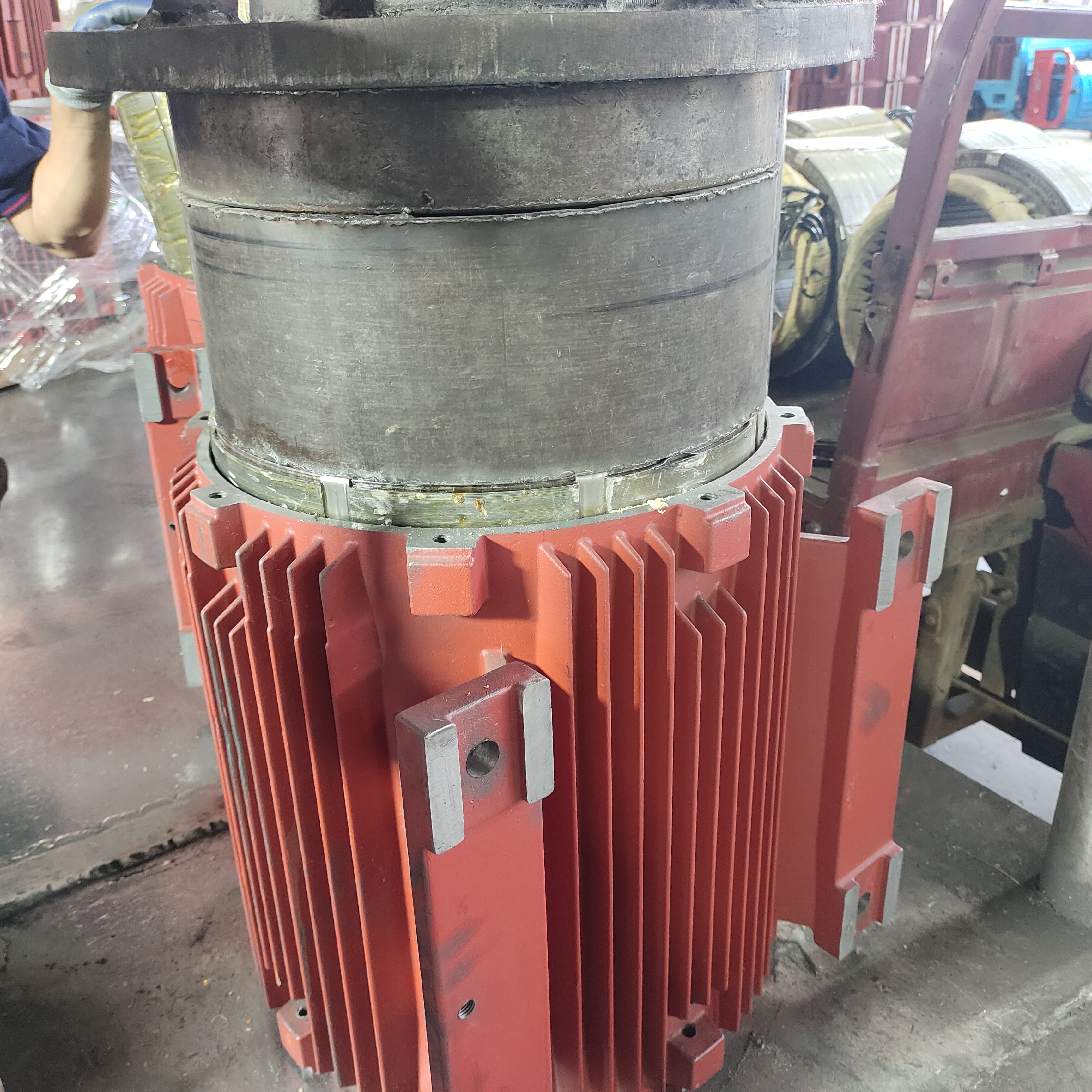
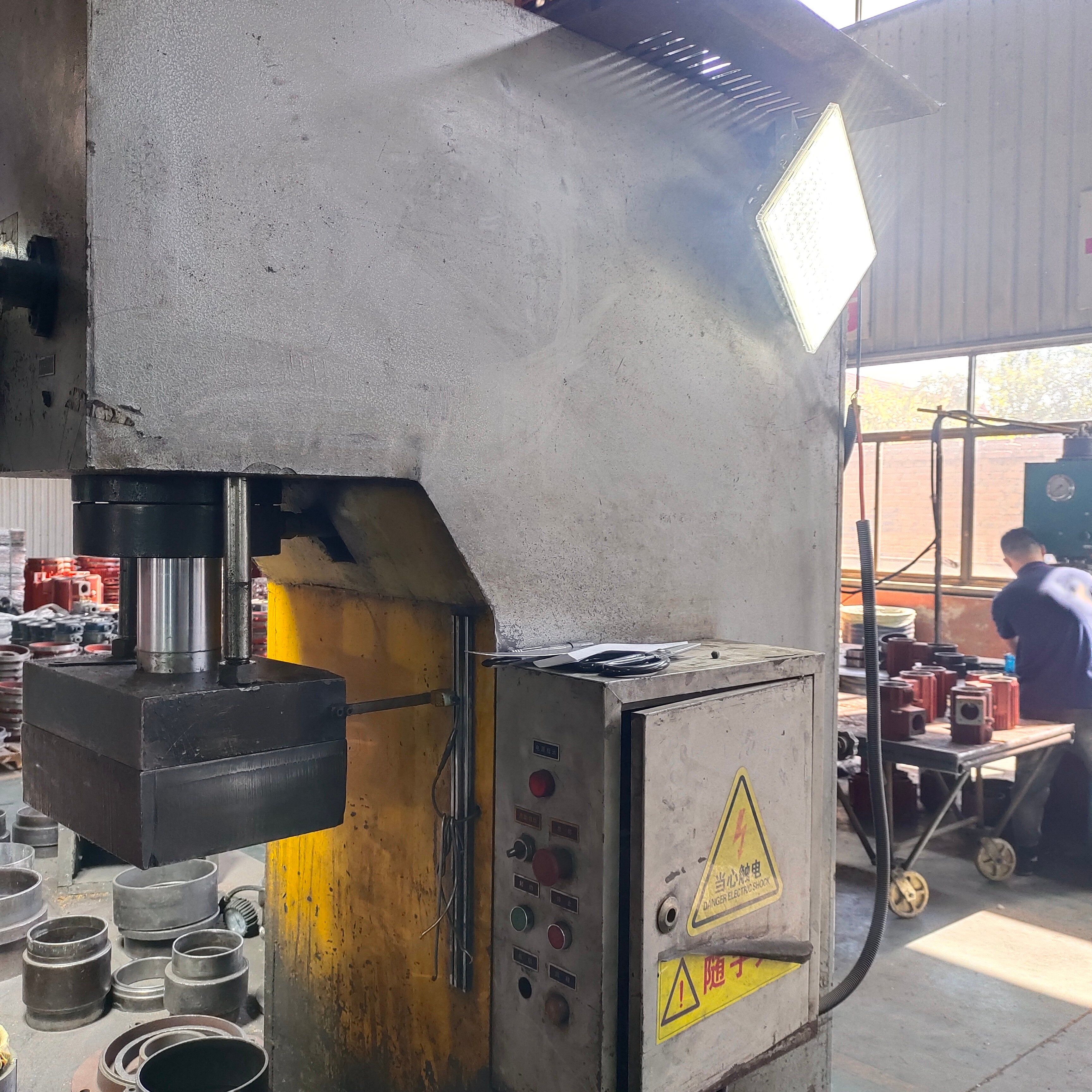
Het spuitgietkoelsysteem vormt een cruciaal onderdeel in moderne productieprocessen, ontworpen om de temperatuur te reguleren tijdens het gietproces van metalen. Dit geavanceerde systeem beheerst het thermische milieu binnen spuitgietmachines en zorgt voor optimale productieomstandigheden voor hoogwaardige metalen componenten. De belangrijkste functie van een spuitgietkoelsysteem is het handhaven van nauwkeurige temperatuurregeling gedurende de gehele gietcyclus, om oververhitting te voorkomen die de productkwaliteit zou kunnen verlagen of dure matrijzen zou kunnen beschadigen. Het systeem werkt door koelvloeistof te circuleren via strategisch geplaatste kanalen in de matrijsstructuur, waardoor effectief overtollige warmte wordt afgevoerd die ontstaat tijdens het injectieproces van gesmolten metaal. Geavanceerde spuitgietkoelsystemen zijn uitgerust met meerdere temperatuurzones, waardoor fabrikanten aangepaste thermische profielen kunnen creëren voor verschillende gietvereisten. De technologische kenmerken van moderne koelsystemen omvatten programmeerbare temperatuurregelaars, doorstroomsnelheidsmonitoring en geautomatiseerde drukregeling. Deze systemen gebruiken doorgaans watergebaseerde koelmiddelen of gespecialiseerde thermische vloeistoffen, afhankelijk van de specifieke toepassingsvereisten en bedrijfstemperaturen. De koelkanalen zijn zorgvuldig ontworpen om de warmteoverdrachtsnelheid te maximaliseren terwijl een gelijkmatige temperatuurverdeling over het gehele matrijsoppervlak wordt behouden. Industriële toepassingen van spuitgietkoelsystemen zijn wijdverspreid en omvatten sectoren als automobielproductie, lucht- en ruimtevaartcomponenten, elektronische behuizingen en de productie van huishoudelijke apparaten. In de auto-industrie maken deze systemen de productie mogelijk van motorblokken, transmissiebehuizingen en structurele onderdelen met strakke dimensionele toleranties. De lucht- en ruimtevaartindustrie is afhankelijk van spuitgietkoelsystemen voor de fabricage van lichtgewicht maar duurzame componenten die voldoen aan strenge veiligheids- en prestatienormen. Fabrikanten van elektronica gebruiken deze systemen om warmteafvoeren, connectorbehuizingen en andere componenten te produceren die precisie vereisen op het gebied van thermisch beheer.

 EN
EN