Automotive Die Casting Solutions: Precision Manufacturing for High-Performance Vehicle Components

All Categories

automotive die casting

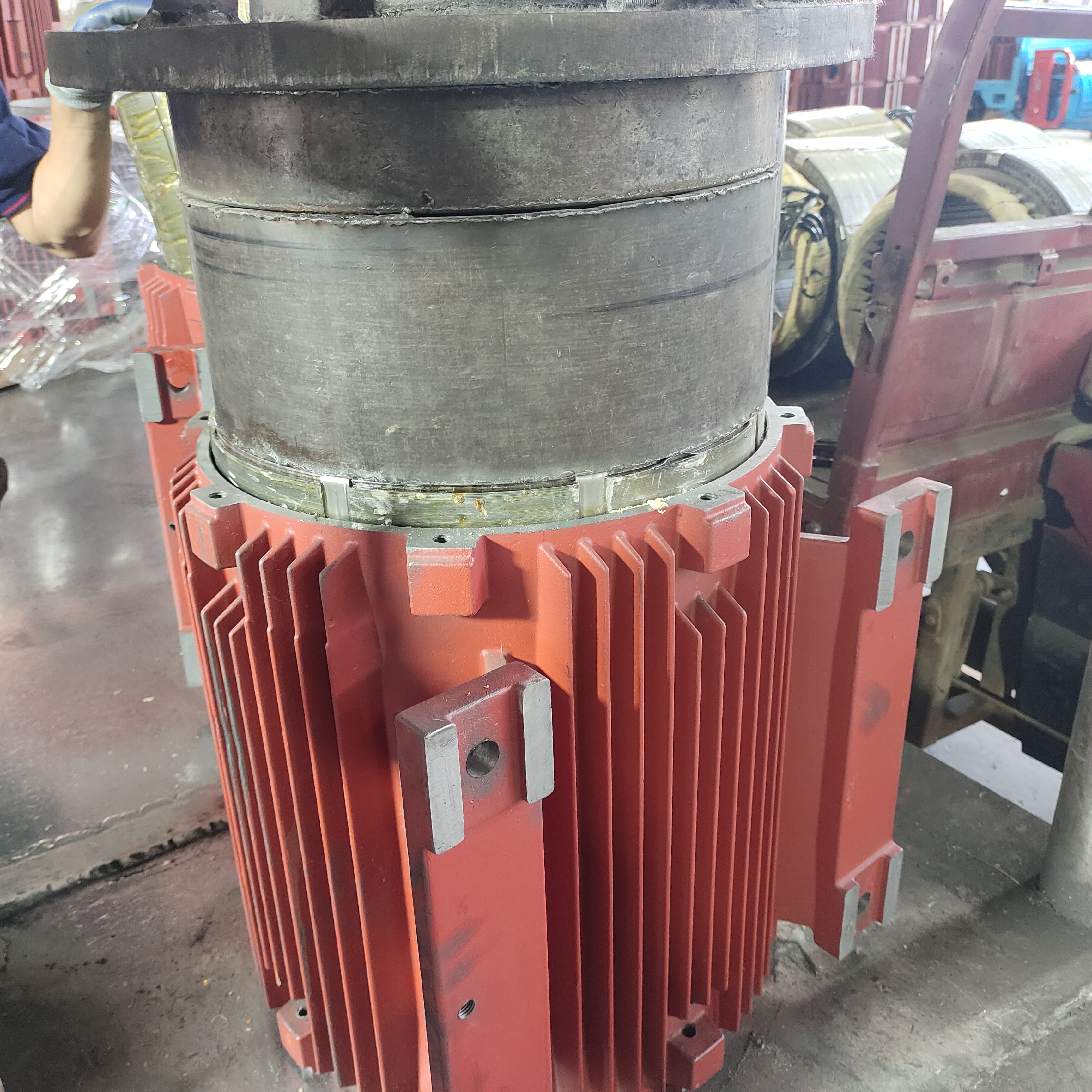
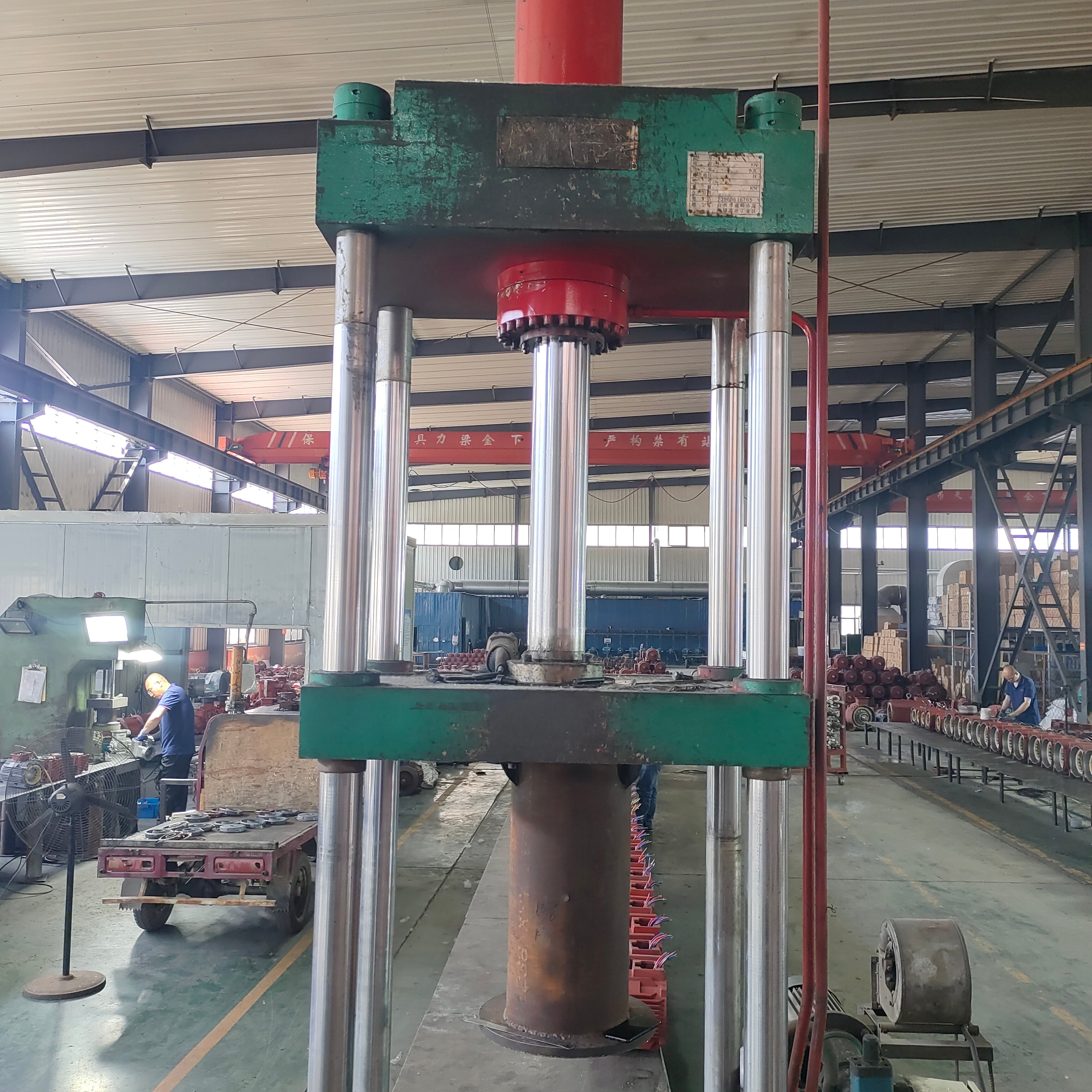
Automotive die casting represents a revolutionary manufacturing process that transforms molten metal into precise automotive components through high-pressure injection into specially designed steel molds. This sophisticated technique serves as the backbone of modern vehicle production, creating everything from engine blocks and transmission housings to intricate electronic component enclosures and structural elements. The automotive die casting process operates by forcing liquid metal, typically aluminum, zinc, or magnesium alloys, into carefully engineered die cavities under extreme pressure, ranging from 1,500 to 25,000 pounds per square inch. This intense pressure ensures complete mold filling and produces components with exceptional dimensional accuracy and surface finish quality. The technological features of automotive die casting include rapid cycle times, typically completing parts in seconds to minutes, which makes it ideal for high-volume automotive production demands. Advanced temperature control systems maintain optimal metal flow characteristics while sophisticated ejection mechanisms ensure consistent part removal without damage. Modern automotive die casting facilities incorporate computer-controlled monitoring systems that track pressure, temperature, and timing parameters to maintain quality standards throughout production runs. The process accommodates complex geometries that would be difficult or impossible to achieve through traditional machining or stamping methods. Applications span across virtually every automotive system, from powertrain components like cylinder heads, oil pans, and valve covers to chassis parts including suspension brackets, steering components, and brake system housings. Interior applications include dashboard frameworks, seat mechanisms, and HVAC system components. The versatility of automotive die casting extends to electric vehicle production, where lightweight yet strong aluminum components help optimize battery efficiency and overall vehicle performance. This manufacturing method delivers the precision, strength, and consistency required for safety-critical automotive applications while maintaining cost-effectiveness for mass production scenarios.

New Product Recommendations

Automotive die casting delivers exceptional precision that eliminates the need for extensive secondary machining operations, saving manufacturers significant time and production costs. This manufacturing method produces parts with tolerances as tight as plus or minus 0.005 inches, ensuring perfect fit and function in complex automotive assemblies. The high-pressure injection process creates components with superior surface finishes that often require minimal post-processing, reducing labor costs and accelerating production timelines. Speed represents another major advantage, as automotive die casting completes parts in cycle times measured in seconds rather than hours, enabling manufacturers to meet demanding production schedules and market deadlines. The process accommodates high-volume production runs while maintaining consistent quality across thousands of identical parts, making it perfect for automotive applications where reliability and uniformity are essential. Material efficiency stands out as a key benefit, since automotive die casting minimizes waste by using precise amounts of metal for each component, reducing raw material costs and environmental impact. The strength-to-weight ratio achieved through this process surpasses many alternative manufacturing methods, particularly when using aluminum alloys that provide excellent durability while keeping vehicle weight low for improved fuel efficiency. Design flexibility allows engineers to create complex internal passages, thin walls, and intricate external features that would be extremely difficult to produce using conventional machining or forming techniques. This capability enables innovative component designs that optimize performance while reducing part counts and assembly complexity. Cost-effectiveness emerges from the combination of rapid production cycles, minimal waste, reduced secondary operations, and long die life spans that can produce hundreds of thousands of parts before requiring replacement. The process also supports just-in-time manufacturing strategies, as quick changeovers between different part configurations help maintain lean inventory levels. Quality consistency remains exceptionally high because the controlled environment and automated processes eliminate many variables that can affect part quality in other manufacturing methods. Additionally, automotive die casting integrates seamlessly with modern quality control systems, allowing real-time monitoring and immediate adjustments to maintain specifications throughout production runs.

Latest News

Variable Frequency Motors: Enhancing Speed Control in Industrial Processes

22

Aug

Variable Frequency Motors: Enhancing Speed Control in Industrial Processes

Variable Frequency Motors: Enhancing Speed Control in Industrial Processes Introduction to Variable Frequency Motors In the modern industrial landscape, efficiency and adaptability are more important than ever. Machines that once relied on fixed-spee...
View More
Variable Frequency Motors: A Solution for Fluctuating Load Conditions

22

Aug

Variable Frequency Motors: A Solution for Fluctuating Load Conditions

Variable Frequency Motors: A Solution for Fluctuating Load Conditions Introduction to Variable Frequency Motors Modern industries rely on electric motors to power everything from conveyor belts and pumps to compressors and fans. Traditionally, motors...
View More
Die Casting vs. Investment Casting: Which to Choose?

27

Nov

Die Casting vs. Investment Casting: Which to Choose?

Manufacturing precision metal components requires careful consideration of casting methods, with die casting and investment casting representing two of the most widely utilized techniques in modern industrial production. These processes serve distinc...
View More
Reducing Costs in Die Casting: Expert Tips and Strategies

27

Nov

Reducing Costs in Die Casting: Expert Tips and Strategies

Manufacturing companies worldwide are constantly seeking ways to optimize their production processes while maintaining quality standards. Die casting has emerged as one of the most efficient methods for producing complex metal components at scale, ye...
View More

Get a Free Quote

Our representative will contact you soon.
Email
Name
Company Name
Message
0/1000

automotive die casting

Superior Dimensional Accuracy and Surface Quality

Superior Dimensional Accuracy and Surface Quality

Automotive die casting achieves unparalleled dimensional accuracy that sets it apart from other manufacturing processes, delivering components with tolerances that consistently meet the most stringent automotive industry standards. The high-pressure injection system forces molten metal into every corner and crevice of the die cavity, creating parts with exceptional detail reproduction and surface finish quality that often eliminates the need for additional machining or finishing operations. This precision stems from the controlled environment where temperature, pressure, and timing parameters are monitored and adjusted in real-time to ensure optimal metal flow characteristics throughout each production cycle. The result is automotive components that maintain dimensional stability across thousands of production units, ensuring perfect fit and function in critical applications such as engine blocks, transmission housings, and safety-related structural elements. Surface finish quality achieved through automotive die casting typically ranges from 63 to 125 microinches, providing smooth surfaces that reduce friction in moving parts and enhance the aesthetic appeal of visible components. This superior finish quality translates directly into improved product performance, as smoother surfaces in engine components reduce friction losses and improve fuel efficiency, while exterior components maintain their appearance longer due to reduced surface irregularities that can trap dirt and promote corrosion. The dimensional consistency of automotive die casting proves especially valuable in assembly operations, where precise part geometry ensures proper alignment of mating surfaces, reduces assembly time, and minimizes the risk of quality issues related to poor fit. Manufacturing engineers particularly appreciate how automotive die casting maintains these tight tolerances even when producing complex geometries with thin walls, deep cavities, or intricate internal passages that would challenge other manufacturing processes. The combination of dimensional accuracy and surface quality creates significant value for automotive manufacturers by reducing inspection requirements, minimizing rework, and accelerating production throughput while maintaining the high quality standards demanded by today's automotive market.
Exceptional Material Properties and Lightweight Performance

Exceptional Material Properties and Lightweight Performance

Automotive die casting unlocks superior material properties through its unique combination of rapid solidification and high-pressure consolidation, creating components that exhibit exceptional strength, durability, and lightweight characteristics essential for modern vehicle design. The process enables the use of advanced aluminum, magnesium, and zinc alloys that provide optimal strength-to-weight ratios, helping automotive manufacturers meet increasingly stringent fuel efficiency and emissions regulations while maintaining structural integrity and safety performance. During the automotive die casting process, the rapid cooling rates and high pressure create fine-grain microstructures that enhance mechanical properties compared to components produced through slower cooling methods like sand casting or permanent mold casting. This metallurgical advantage translates into parts that resist fatigue, withstand high operating temperatures, and maintain dimensional stability under varying load conditions throughout the vehicle's service life. The lightweight nature of automotive die casting materials, particularly aluminum alloys, contributes significantly to overall vehicle weight reduction, which directly impacts fuel economy, acceleration performance, and handling characteristics that consumers value. Engineers can specify thinner wall sections without compromising strength, further reducing component weight while maintaining necessary structural properties for safety-critical applications. The corrosion resistance inherent in many automotive die casting alloys extends component life and reduces maintenance requirements, providing long-term value for vehicle owners and manufacturers alike. Thermal conductivity properties of die-cast aluminum components make them ideal for heat dissipation applications such as transmission coolers, engine oil pans, and electronic control unit housings, where effective heat management is crucial for optimal performance and reliability. The ability to integrate multiple functions into single automotive die casting components reduces part counts, eliminates potential leak paths in fluid systems, and simplifies assembly processes while maintaining superior material properties throughout the integrated design. These exceptional material characteristics, combined with the geometric flexibility of the automotive die casting process, enable innovative solutions that advance automotive technology while delivering tangible benefits in performance, efficiency, and durability.
Cost-Effective High-Volume Production Capability

Cost-Effective High-Volume Production Capability

Automotive die casting excels in high-volume production environments where cost efficiency, consistency, and speed determine manufacturing success, making it the preferred choice for automotive components that require large quantities while maintaining strict quality standards. The process economics become increasingly favorable as production volumes increase, since the initial investment in die tooling is amortized across thousands or millions of parts, resulting in very low per-part costs that enable competitive pricing in cost-sensitive automotive markets. Cycle times in automotive die casting typically range from 30 seconds to several minutes depending on part complexity and size, allowing manufacturers to produce hundreds or thousands of components per day from a single machine, maximizing capital equipment utilization and minimizing labor costs per unit. The automated nature of modern automotive die casting operations reduces dependence on skilled labor while maintaining consistent quality output, as computer-controlled systems manage injection parameters, temperature control, and part ejection with minimal human intervention. This automation capability proves particularly valuable during periods of high demand when manufacturers must rapidly scale production to meet automotive industry requirements without compromising quality or delivery schedules. Material utilization efficiency in automotive die casting reaches exceptional levels because the process uses precise amounts of metal for each shot, minimizing waste and reducing raw material costs that represent a significant portion of total manufacturing expenses. The long service life of die casting tooling, often producing 100,000 to one million parts before requiring major maintenance or replacement, further enhances the cost-effectiveness of automotive die casting for high-volume applications. Secondary operations are minimized due to the near-net-shape capability of the process, reducing handling costs, inspection requirements, and the need for additional manufacturing equipment or floor space. Quality consistency remains high throughout extended production runs because the controlled process parameters and automated systems eliminate many variables that can affect part quality in other manufacturing methods, reducing scrap rates and rework costs that can significantly impact overall production economics. The scalability of automotive die casting operations allows manufacturers to adjust production rates quickly in response to changing market demands while maintaining cost efficiency across different volume levels.
Automotive Die Casting Solutions: Precision Manufacturing for High-Performance Vehicle Components

Get a Free Quote

Our representative will contact you soon.
Email
Name
Company Name
Message
0/1000