
 EN
EN
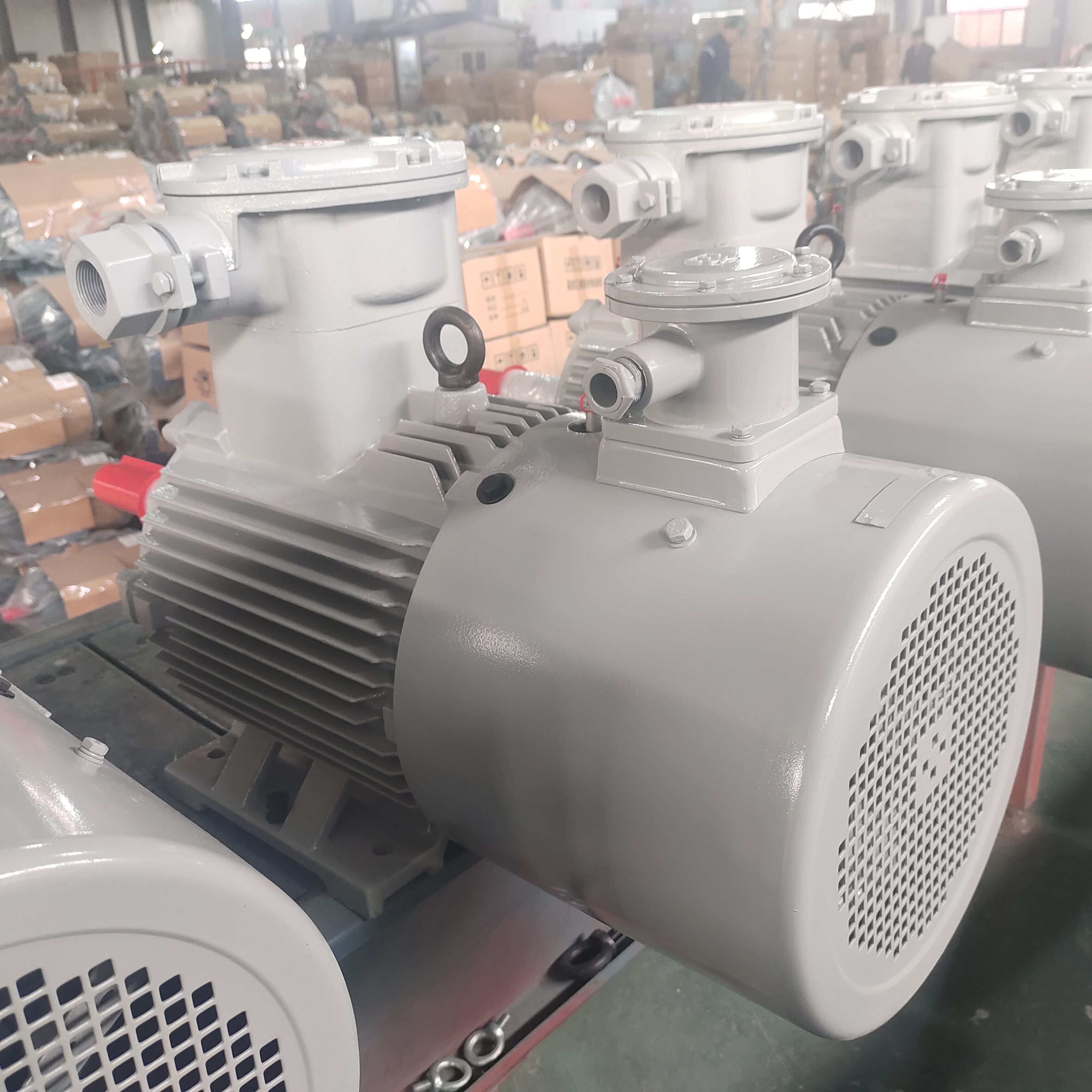
When sourcing industrial motors for modern manufacturing applications, understanding insulation standards becomes critical for ensuring optimal performance and longevity. A variable frequency motor operates under unique electrical conditions that demand specialized insulation systems capable of handling voltage stress, temperature fluctuations, and harmonic distortion. These motors have become indispensable in industries ranging from HVAC systems to heavy manufacturing, where precise speed control and energy efficiency directly impact operational costs.
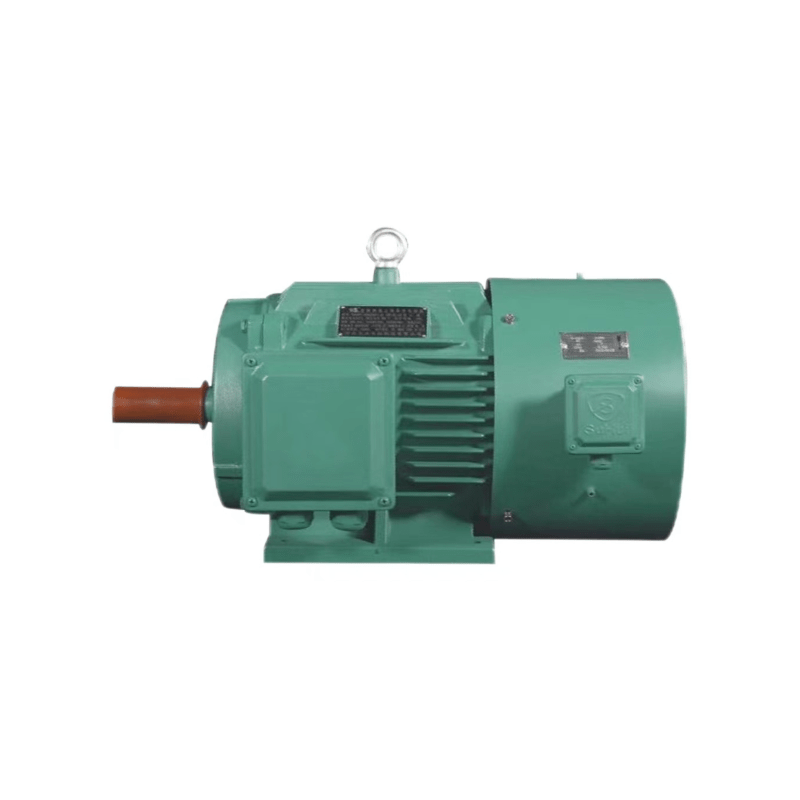
The complexity of variable frequency drive systems creates demanding electrical environments that traditional motor insulation may not withstand over extended periods. High-frequency switching in VFDs generates steep voltage transients and harmonic distortion that can gradually degrade standard insulation materials. Professional engineers and procurement specialists must therefore evaluate specific insulation classifications, temperature ratings, and surge withstand capabilities when selecting motors for VFD applications.
Modern industrial facilities increasingly rely on variable speed control technology to optimize energy consumption and process control accuracy. However, the benefits of variable frequency motor technology can only be realized when proper attention is given to insulation system compatibility and long-term reliability factors during the sourcing process.
Understanding VFD-Specific Insulation Requirements
Voltage Surge Protection Standards
Variable frequency drives produce rapid voltage transitions that create significant stress on motor winding insulation. These voltage spikes, often reaching twice the nominal voltage level, occur at switching frequencies typically ranging from 2kHz to 20kHz. The insulation system must be designed to withstand these repetitive stress cycles without degradation over the motor's intended service life.
International standards such as IEC 60034-25 and NEMA MG-1 Part 31 establish specific requirements for variable frequency motor insulation systems. These standards define voltage withstand capabilities, partial discharge resistance, and thermal aging characteristics that ensure reliable operation under VFD conditions. Motors meeting these specifications typically feature enhanced wire enamel formulations and improved slot insulation materials.
The rise time of voltage pulses generated by modern IGBT-based drives can be as short as 0.1 microseconds, creating intense electric field concentrations at conductor edges and slot openings. Proper insulation design incorporates stress grading materials and optimized conductor geometry to manage these field distributions effectively.
Temperature Classification Systems
Thermal management becomes more complex in variable frequency motor applications due to reduced cooling at low speeds and increased losses from harmonic content. Standard temperature classifications including Class B (130°C), Class F (155°C), and Class H (180°C) must be carefully matched to application requirements and expected operating profiles.
Higher temperature class insulation systems provide greater thermal margin for applications with demanding duty cycles or elevated ambient conditions. However, the economic trade-offs between insulation class and motor cost must be evaluated alongside expected maintenance intervals and replacement costs. Class F insulation operated at Class B temperatures often provides the optimal balance of performance and lifecycle economics.
Variable speed applications frequently involve extended low-speed operation where natural cooling may be insufficient to maintain acceptable winding temperatures. In such cases, auxiliary cooling systems or higher temperature class insulation becomes necessary to prevent thermal degradation and maintain design life expectations.
Critical Insulation Properties for VFD Applications
Dielectric Strength and Breakdown Voltage
The dielectric strength of insulation materials determines their ability to withstand electric stress without breakdown. In variable frequency motor applications, insulation must resist not only the fundamental frequency voltage but also high-frequency components and transient overvoltages generated by the drive system. Minimum dielectric strength requirements are typically specified as multiples of the rated voltage plus a safety margin.
Breakdown voltage testing procedures for VFD-rated motors often include both AC and impulse voltage tests to verify insulation integrity under various stress conditions. The impulse tests simulate the fast-rising voltage transients characteristic of PWM drive operation, while AC tests verify long-term voltage withstand capability under sustained operation.
Modern variable frequency motor designs incorporate multiple insulation barriers and stress grading systems to achieve the required dielectric performance. These may include corona-resistant enamels, mica-based slot insulation, and specialized end turn bracing systems that maintain insulation integrity under mechanical and electrical stress.
Partial Discharge Resistance
Partial discharge activity within motor insulation can lead to gradual deterioration and eventual failure, particularly under the repetitive voltage stress conditions present in VFD applications. International standards define maximum allowable partial discharge levels and testing procedures to ensure adequate resistance to this degradation mechanism.
The inception voltage for partial discharge activity depends on insulation geometry, material properties, and environmental conditions including humidity and contamination levels. Variable frequency motor insulation systems are designed to maintain partial discharge inception voltages well above normal operating levels, even under worst-case conditions.
Advanced insulation materials such as polyimide films and mica-epoxy systems offer superior partial discharge resistance compared to traditional materials. These systems maintain their electrical properties over extended periods even when subjected to the harsh electrical environment created by variable frequency drives.
International Standards and Compliance Requirements
IEC and IEEE Standard Guidelines
The International Electrotechnical Commission (IEC) has developed comprehensive standards specifically addressing the unique requirements of motors intended for variable frequency drive applications. IEC 60034-25 establishes insulation requirements, test procedures, and performance criteria that manufacturers must meet to ensure reliable operation in VFD systems.
IEEE Standard 522 provides complementary guidance on insulation testing and evaluation methods, particularly for larger motors where insulation failure can result in significant downtime and repair costs. These standards establish minimum voltage withstand levels, thermal aging requirements, and environmental stress testing protocols that validate insulation system performance.
Compliance with recognized international standards provides assurance that variable frequency motor insulation systems have undergone rigorous testing and evaluation. This standardization also facilitates global sourcing by establishing common performance criteria that can be specified and verified regardless of manufacturer or geographic location.
Regional Certification Requirements
Different regions may have specific certification requirements that affect variable frequency motor sourcing decisions. North American applications often require UL or CSA certification, while European markets typically mandate CE marking and compliance with relevant EU directives. Asian markets may have additional requirements related to energy efficiency and environmental compliance.
Understanding regional requirements early in the sourcing process helps avoid delays and ensures that selected motors meet all applicable regulatory standards. This is particularly important for international projects where motors may need to satisfy multiple certification schemes simultaneously.
Some applications require specialized certifications such as ATEX for explosive atmospheres or marine classification society approvals for shipboard installations. These additional requirements often impose more stringent insulation performance criteria beyond standard VFD specifications.
Material Selection and Construction Considerations
Advanced Insulation Materials
Modern variable frequency motor designs utilize sophisticated insulation materials specifically formulated to withstand the electrical and thermal stresses encountered in VFD applications. Polyimide-based wire enamels offer superior thermal stability and corona resistance compared to conventional polyesterimide systems, making them ideal for demanding applications.
Mica-based insulation systems provide excellent thermal conductivity and electrical properties, particularly important for larger motors where heat dissipation becomes critical. These materials maintain their dielectric properties at elevated temperatures while offering superior resistance to partial discharge activity and thermal aging.
Slot insulation materials have evolved to include specialized films and papers designed specifically for variable frequency motor applications. These materials feature enhanced corona resistance and improved adhesion properties that maintain insulation integrity under the mechanical stresses encountered during motor operation.
Manufacturing Process Quality Control
The manufacturing processes used in variable frequency motor production significantly impact insulation system performance and reliability. Vacuum pressure impregnation (VPI) techniques ensure complete saturation of windings with insulating varnish, eliminating voids that could lead to partial discharge activity or thermal hot spots.
Quality control procedures during manufacturing include multiple electrical tests at various stages of assembly to verify insulation integrity. These may include surge comparison tests, high-potential tests, and partial discharge measurements that ensure each motor meets specified performance criteria before shipment.
Environmental controls during manufacturing help prevent contamination that could compromise insulation performance. Clean room conditions, humidity control, and proper material handling procedures are essential for maintaining the high insulation quality required in variable frequency motor applications.
Performance Testing and Validation Methods
Factory Testing Protocols
Comprehensive factory testing protocols ensure that variable frequency motor insulation systems meet specified performance requirements before shipment. These tests typically include routine production tests as well as type tests that validate design performance under worst-case conditions.
High-potential testing verifies dielectric strength at voltages significantly above normal operating levels, while insulation resistance measurements confirm the integrity of the complete insulation system. Surge comparison tests can detect turn-to-turn insulation weaknesses that might not be apparent in other test methods.
Advanced testing facilities may include partial discharge measurement capabilities that can detect insulation defects at very low levels. This testing provides additional assurance that the variable frequency motor will provide reliable service throughout its intended operating life.
Field Acceptance Testing
Field testing procedures help verify that variable frequency motor insulation systems have not been damaged during shipping or installation. These tests are typically less severe than factory tests to avoid damaging healthy insulation but sufficient to detect significant problems that could lead to premature failure.
Insulation resistance testing using megohmmeters provides a quick assessment of overall insulation condition, while polarization index measurements can reveal moisture contamination or other insulation degradation mechanisms. These tests should be performed both before energization and periodically throughout the motor's service life.
Documentation of field test results provides valuable baseline data for trending insulation condition over time. This information supports predictive maintenance programs that can identify developing problems before they result in unexpected failures or costly downtime.
Economic Considerations in Insulation Selection
Lifecycle Cost Analysis
While variable frequency motor insulation systems designed for VFD applications may carry premium pricing compared to standard motors, lifecycle cost analysis often demonstrates significant economic benefits. Extended service life, reduced maintenance requirements, and improved reliability contribute to lower total cost of ownership over the motor's operating life.
Energy efficiency improvements associated with variable speed control can provide substantial operational savings that offset higher initial equipment costs. Additionally, the ability to avoid premature motor failures and associated downtime costs justifies investment in superior insulation systems for critical applications.
Risk mitigation benefits should also be considered when evaluating insulation system costs. The consequences of unexpected motor failure in critical processes may far exceed the incremental cost of enhanced insulation systems designed specifically for variable frequency motor applications.
Maintenance and Replacement Planning
Proper insulation selection affects maintenance planning and replacement scheduling for variable frequency motor installations. Motors with appropriate VFD-rated insulation typically require less frequent maintenance and provide more predictable service life, enabling better planning and budgeting for facility operations.
Standardizing on specific insulation grades and motor specifications can simplify maintenance procedures and reduce spare parts inventory requirements. This standardization also facilitates training for maintenance personnel and ensures consistent repair procedures across multiple installations.
Long-term availability of replacement parts and service support should be considered when selecting variable frequency motor suppliers. Established manufacturers with comprehensive service networks provide greater assurance of continued support throughout the motor's operational life.
FAQ
What insulation class is recommended for variable frequency motors?
Class F (155°C) insulation is commonly recommended for variable frequency motor applications as it provides adequate thermal margin for most operating conditions while remaining cost-effective. However, the specific insulation class should be selected based on the application's duty cycle, ambient temperature, and cooling system design. Class H (180°C) insulation may be necessary for severe duty applications or where auxiliary cooling is not available.
How do VFD voltage spikes affect motor insulation life?
VFD-generated voltage spikes create repetitive electrical stress on motor insulation that can accelerate aging and lead to premature failure if the insulation system is not properly designed. These transients can reach twice the nominal voltage and occur thousands of times per second, gradually degrading standard insulation materials. Motors specifically designed for VFD applications incorporate enhanced insulation materials and construction techniques to withstand these stresses throughout their intended service life.
Are there specific testing requirements for VFD motor insulation?
Yes, motors intended for variable frequency drive applications should undergo specialized testing including impulse voltage tests that simulate VFD-generated transients, partial discharge testing to verify corona resistance, and thermal aging tests under simulated VFD operating conditions. These tests go beyond standard motor testing requirements and are specified in international standards such as IEC 60034-25 and NEMA MG-1 Part 31.
What factors should be considered when sourcing variable frequency motors internationally?
International sourcing requires consideration of regional certification requirements, voltage and frequency standards, climate conditions, and local service support availability. Insulation systems must meet applicable international standards while also satisfying specific regional requirements such as UL listing, CE marking, or other local certifications. Additionally, transportation conditions and customs requirements may affect delivery schedules and total project costs.
Table of Contents
- Understanding VFD-Specific Insulation Requirements
- Critical Insulation Properties for VFD Applications
- International Standards and Compliance Requirements
- Material Selection and Construction Considerations
- Performance Testing and Validation Methods
- Economic Considerations in Insulation Selection
- FAQ