
 EN
EN
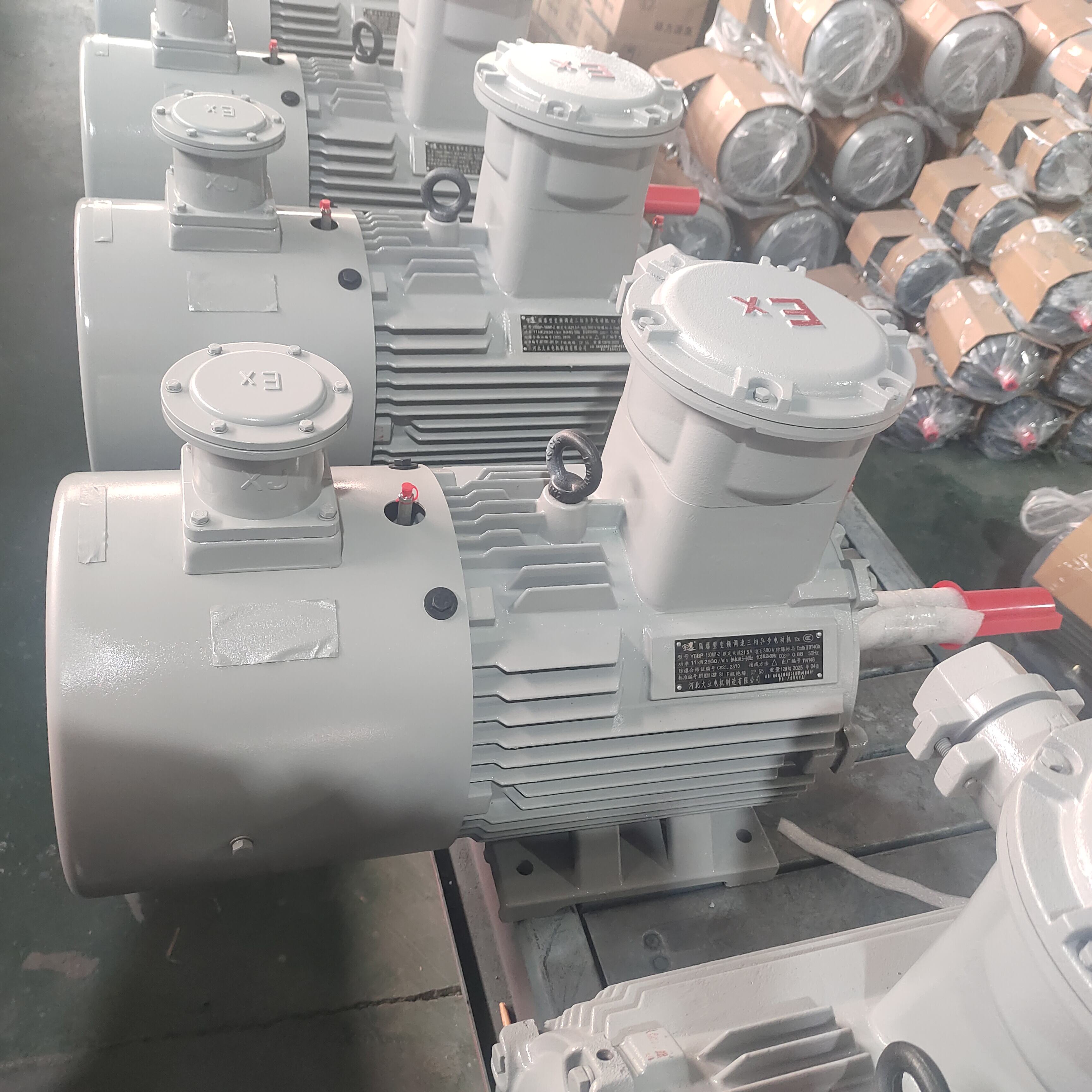
OEM buyers face critical decisions when selecting a variable frequency motor for their industrial applications. The performance assessment process requires careful evaluation of multiple technical parameters, operational characteristics, and long-term reliability factors. Understanding how manufacturers and end-users analyze these sophisticated motor systems helps equipment designers make informed decisions that directly impact productivity, energy efficiency, and total cost of ownership. The comprehensive evaluation framework for variable frequency motor selection encompasses electrical specifications, mechanical design features, thermal management capabilities, and advanced control integration options that define modern industrial automation systems.
Electrical Performance Evaluation Criteria
Power Rating and Torque Characteristics
The fundamental assessment of any variable frequency motor begins with analyzing its power rating specifications and torque delivery capabilities across the entire speed range. Engineers examine the motor's rated power output, continuous duty ratings, and peak torque availability at different frequencies to ensure compatibility with specific application requirements. This evaluation process includes reviewing the torque-speed curve characteristics, which reveal how the motor performs under varying load conditions and frequency adjustments.
Modern variable frequency motor designs must demonstrate consistent torque production across a wide speed spectrum, typically from 10% to 150% of base speed. OEM buyers specifically analyze the constant torque region, constant power region, and field weakening characteristics to determine operational flexibility. The motor's ability to maintain rated torque at low frequencies while providing adequate overload capacity represents a critical performance benchmark for industrial applications requiring precise speed control.
Efficiency and Power Factor Analysis
Energy efficiency ratings significantly influence variable frequency motor selection decisions, particularly as industrial facilities focus on reducing operational costs and meeting environmental regulations. Buyers evaluate motor efficiency across the complete operating range, examining how performance varies with frequency changes, load conditions, and temperature fluctuations. The efficiency curve analysis reveals optimal operating points and helps predict energy consumption patterns for specific applications.
Power factor characteristics receive equal attention during the assessment process, as poor power factor performance can result in utility penalties and increased electrical system demands. Advanced variable frequency motor designs incorporate features that maintain acceptable power factor levels across varying load conditions. Engineers analyze the power factor correction requirements and evaluate whether additional compensation equipment becomes necessary for the intended application.
Mechanical Design and Construction Standards
Frame Design and Mounting Configurations
The mechanical construction of a variable frequency motor directly impacts its performance, reliability, and installation flexibility within OEM equipment designs. Engineers evaluate frame materials, construction quality, and mounting options to ensure proper integration with existing machinery and environmental conditions. Standard frame designs must accommodate the additional heat generation associated with variable frequency operation while maintaining structural integrity under dynamic loading conditions.
Mounting configuration analysis includes examining foot-mounted, flange-mounted, and face-mounted options available for specific variable frequency motor models. The mechanical interface requirements, shaft configurations, and connection accessibility influence the overall system design and maintenance procedures. OEM buyers consider the space constraints, alignment requirements, and vibration isolation needs when evaluating different mounting arrangements for their applications.
Bearing Systems and Shaft Design
Bearing selection and shaft design represent critical factors in variable frequency motor performance assessment, particularly for applications requiring extended operational life and minimal maintenance requirements. The bearing system must handle the unique challenges associated with variable speed operation, including electrical discharge machining effects, shaft currents, and varying lubrication conditions across different speed ranges.
Advanced variable frequency motor designs incorporate insulated bearings, shaft grounding systems, and enhanced lubrication features to address these challenges. Engineers evaluate the bearing life calculations, maintenance intervals, and replacement procedures when comparing different motor options. The shaft design analysis includes examining key dimensions, material specifications, and dynamic balancing quality to ensure smooth operation across the entire speed range.
Thermal Management and Cooling Systems
Heat Dissipation Requirements
Thermal management capabilities represent a crucial performance factor for variable frequency motor applications, as these motors typically generate more heat than standard constant-speed designs. The assessment process includes analyzing heat generation patterns, temperature rise characteristics, and cooling system effectiveness under various operating conditions. Engineers examine how motor temperature affects efficiency, insulation life, and overall reliability.
Variable frequency motor cooling systems must address the reduced cooling effectiveness at low speeds when self-ventilation becomes inadequate. OEM buyers evaluate forced cooling options, including external fans, liquid cooling systems, and enhanced heat sink designs. The thermal analysis includes examining ambient temperature limitations, altitude derating factors, and enclosure considerations that impact heat dissipation requirements.
Insulation Systems and Temperature Classifications
The insulation system design significantly impacts variable frequency motor longevity and performance reliability, particularly under the stress conditions created by pulse-width modulation drives. Engineers analyze insulation materials, temperature classifications, and voltage stress handling capabilities when evaluating different motor options. The insulation system must withstand the rapid voltage transitions and high-frequency components present in variable frequency drive applications.
Modern variable frequency motor designs incorporate enhanced insulation systems specifically engineered for inverter duty applications. The evaluation process includes examining partial discharge resistance, corona inception voltage levels, and thermal cycling capabilities. OEM buyers consider the expected insulation life, maintenance requirements, and failure mode characteristics when comparing different motor technologies.
Control Integration and Communication Capabilities
Drive Compatibility and Interface Requirements
The compatibility between variable frequency motor designs and drive systems significantly influences system performance, reliability, and operational flexibility. Engineers evaluate motor parameters, control interface requirements, and communication protocol compatibility when selecting motors for specific drive applications. The motor's electrical characteristics must match the drive's output capabilities, including voltage ratings, current capacity, and frequency response.
Advanced variable frequency motor systems incorporate smart features that enhance drive integration and system monitoring capabilities. These features include embedded sensors, parameter identification systems, and diagnostic interfaces that provide real-time performance data. OEM buyers analyze the available communication options, including analog signals, digital interfaces, and fieldbus connectivity that enable seamless integration with automation systems.
Feedback Systems and Position Control
Position feedback systems represent essential components for variable frequency motor applications requiring precise speed or position control. The assessment process includes evaluating encoder types, resolution specifications, and installation requirements for different feedback options. Engineers examine incremental encoders, absolute encoders, and resolver systems to determine the most suitable feedback technology for specific applications.
The integration of feedback systems with variable frequency motor designs affects system complexity, cost, and performance capabilities. OEM buyers consider the accuracy requirements, environmental conditions, and maintenance implications when selecting motors with integrated feedback systems. Advanced motor designs may include sensorless control capabilities that eliminate external feedback devices while maintaining adequate performance for less demanding applications.
Environmental Conditions and Protection Standards
Enclosure Classifications and Environmental Protection
Environmental protection requirements significantly influence variable frequency motor selection decisions, particularly for applications in harsh industrial environments. Engineers evaluate IP ratings, NEMA enclosure classifications, and special protection features required for specific installation conditions. The motor enclosure must provide adequate protection against moisture, dust, chemicals, and other environmental contaminants while maintaining proper ventilation for cooling.
Variable frequency motor designs for specialized environments may incorporate additional protection features, including corrosion-resistant coatings, sealed bearing systems, and enhanced gasket materials. The evaluation process includes analyzing the expected environmental conditions, cleaning procedures, and maintenance accessibility requirements. OEM buyers consider the long-term durability and maintenance cost implications when selecting motors for challenging environments.
Vibration and Noise Characteristics
Vibration and noise performance represent important considerations for variable frequency motor applications, particularly in precision equipment or noise-sensitive environments. The assessment process includes analyzing vibration levels across the operating speed range, examining resonance frequencies, and evaluating noise generation characteristics. Engineers consider how variable frequency operation affects vibration patterns and acoustic emissions compared to constant-speed operation.
Modern variable frequency motor designs incorporate features that minimize vibration and noise generation, including optimized magnetic designs, balanced rotor systems, and acoustic dampening materials. The evaluation includes examining vibration specifications, noise level measurements, and frequency analysis data. OEM buyers analyze the installation requirements, isolation systems, and operational limitations necessary to maintain acceptable vibration and noise levels.
Reliability Assessment and Maintenance Considerations
Life Expectancy and Failure Mode Analysis
Reliability assessment forms a critical component of variable frequency motor evaluation, as equipment downtime directly impacts production efficiency and operational costs. Engineers analyze historical performance data, failure mode patterns, and design features that influence motor longevity. The assessment includes examining bearing life calculations, insulation aging characteristics, and mechanical wear patterns specific to variable frequency operation.
Variable frequency motor reliability depends on multiple factors, including operating conditions, maintenance practices, and environmental influences. OEM buyers evaluate the expected service life, planned maintenance requirements, and potential failure scenarios when comparing different motor options. The reliability analysis includes considering spare parts availability, repair procedures, and replacement lead times that affect overall equipment availability.
Diagnostic Capabilities and Condition Monitoring
Advanced diagnostic capabilities enable proactive maintenance strategies and reduce unplanned downtime in variable frequency motor applications. The evaluation process includes examining built-in diagnostic features, external monitoring options, and data collection capabilities that support condition-based maintenance programs. Engineers analyze vibration monitoring, thermal monitoring, and electrical parameter tracking systems available for different motor designs.
Modern variable frequency motor systems may incorporate intelligent monitoring features that provide early warning indicators for potential problems. These capabilities include bearing condition monitoring, insulation resistance tracking, and performance trend analysis. OEM buyers consider the diagnostic system integration requirements, data management capabilities, and maintenance optimization potential when evaluating motors with advanced monitoring features.
Cost Analysis and Total Ownership Considerations
Initial Investment and System Integration Costs
The financial evaluation of variable frequency motor options extends beyond the initial purchase price to include system integration costs, installation requirements, and commissioning expenses. Engineers analyze the total system cost, including motor price, drive requirements, control components, and installation labor. The cost assessment includes examining different motor technologies and their impact on overall system complexity and performance.
Variable frequency motor selection decisions must consider the long-term cost implications, including energy consumption, maintenance expenses, and expected service life. OEM buyers evaluate the payback period for premium motor features, efficiency improvements, and reliability enhancements. The cost analysis includes comparing different motor options based on their total cost of ownership over the expected equipment life cycle.
Energy Savings and Operational Efficiency
Energy efficiency represents a major factor in variable frequency motor assessment, as improved efficiency directly translates to reduced operational costs and environmental impact. The evaluation process includes calculating energy consumption patterns, analyzing efficiency curves, and projecting long-term energy savings potential. Engineers examine how different motor designs affect overall system efficiency and power consumption.
Variable frequency motor applications often provide significant energy savings compared to traditional motor control methods, particularly in applications with varying load requirements. The assessment includes analyzing pump applications, fan systems, conveyor drives, and other variable torque applications where energy savings potential is maximized. OEM buyers calculate the return on investment for high-efficiency motor options and evaluate utility incentive programs that may offset initial cost premiums.
FAQ
What key electrical parameters should OEM buyers prioritize when evaluating variable frequency motor performance
OEM buyers should focus on power rating accuracy, torque characteristics across the full speed range, efficiency curves at various loads and frequencies, and power factor performance. The motor's ability to maintain rated torque at low speeds while providing adequate overload capacity represents a critical performance benchmark. Additionally, evaluating voltage stress handling capabilities and insulation system ratings ensures compatibility with inverter duty applications and long-term reliability.
How do environmental conditions affect variable frequency motor selection and performance assessment
Environmental conditions significantly influence motor selection through enclosure requirements, cooling system design, and protection standards. Motors operating in harsh environments need appropriate IP ratings, corrosion-resistant materials, and enhanced sealing systems. Temperature extremes affect motor derating, cooling requirements, and insulation life, while altitude, humidity, and contamination levels impact performance and maintenance needs. Proper environmental assessment ensures reliable operation and optimal service life.
What role do diagnostic capabilities play in variable frequency motor evaluation
Diagnostic capabilities enable proactive maintenance strategies and reduce unplanned downtime through condition monitoring and predictive analysis. Modern motors may include built-in sensors for vibration, temperature, and electrical parameter monitoring, providing early warning indicators for potential problems. These features support condition-based maintenance programs, optimize service intervals, and improve overall equipment reliability while reducing maintenance costs and operational disruptions.
How should OEM buyers approach total cost of ownership analysis for variable frequency motor systems
Total cost of ownership analysis should encompass initial purchase price, installation costs, energy consumption, maintenance expenses, and expected service life. Buyers must evaluate energy efficiency benefits, reliability improvements, and reduced maintenance requirements against premium motor costs. The analysis should include utility incentive programs, operational flexibility benefits, and system integration advantages. Long-term cost projections help justify investments in higher-quality motors with advanced features and superior performance characteristics.
Table of Contents
- Electrical Performance Evaluation Criteria
- Mechanical Design and Construction Standards
- Thermal Management and Cooling Systems
- Control Integration and Communication Capabilities
- Environmental Conditions and Protection Standards
- Reliability Assessment and Maintenance Considerations
- Cost Analysis and Total Ownership Considerations
-
FAQ
- What key electrical parameters should OEM buyers prioritize when evaluating variable frequency motor performance
- How do environmental conditions affect variable frequency motor selection and performance assessment
- What role do diagnostic capabilities play in variable frequency motor evaluation
- How should OEM buyers approach total cost of ownership analysis for variable frequency motor systems