
 EN
EN
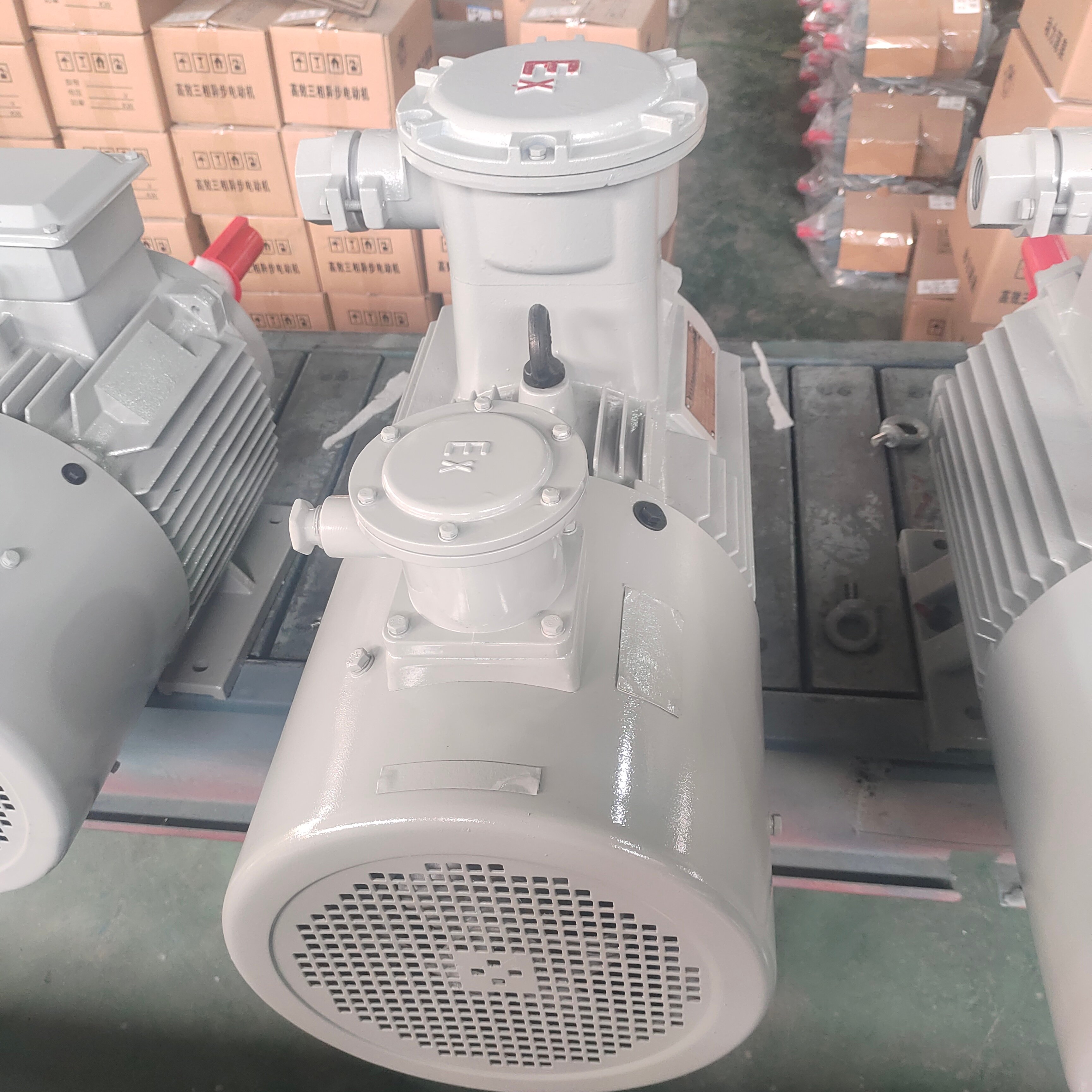
Modern industrial applications demand precise speed control and energy efficiency, making the proper specification of variable frequency motor systems crucial for optimal performance. Understanding how to select the right variable frequency motor for specific speed ranges requires comprehensive knowledge of motor characteristics, application requirements, and system integration parameters. The specification process involves analyzing torque requirements, speed profiles, environmental conditions, and power supply characteristics to ensure seamless operation across the intended speed range.
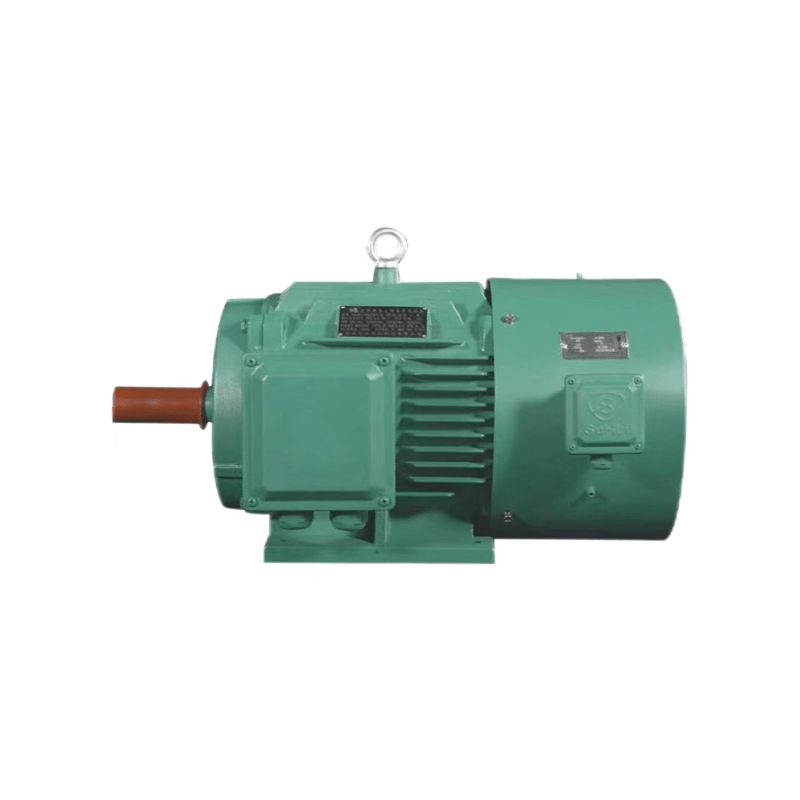
The specification process begins with understanding the fundamental relationship between speed control and motor design. Variable frequency motor technology enables precise speed regulation through frequency modulation, allowing operators to match motor performance to specific application demands. Engineers must consider base speed ratings, maximum operating speeds, and minimum stable operating frequencies when determining the appropriate motor configuration for their particular speed range requirements.
Understanding Variable Frequency Motor Speed Characteristics
Base Speed and Rated Parameters
Every variable frequency motor has a defined base speed that corresponds to its rated frequency operation, typically 50Hz or 60Hz depending on regional standards. At base speed, the motor delivers its full rated torque and power output. When specifying a variable frequency motor for applications requiring operation below base speed, engineers must account for reduced torque characteristics and cooling considerations that affect continuous operation capabilities.
The relationship between frequency and speed in a variable frequency motor follows the synchronous speed formula, where speed equals 120 times frequency divided by the number of poles. This fundamental relationship helps determine the achievable speed range and guides selection of appropriate pole configurations. Four-pole motors offer excellent balance between speed range and torque characteristics for most industrial applications.
Extended Speed Range Capabilities
Modern variable frequency motor designs can operate effectively across extended speed ranges, typically from 10% to 150% of base speed with proper drive system integration. The upper speed limit depends on mechanical considerations such as bearing design, rotor balancing, and critical speed calculations. Lower speed operation requires careful consideration of cooling methods and torque derating factors that affect continuous duty capabilities.
Constant torque applications benefit from variable frequency motor configurations that maintain full torque output from zero speed up to base speed. Above base speed, these motors operate in constant power mode with torque inversely proportional to speed. This characteristic makes them ideal for applications like conveyors, mixers, and pumps that require high starting torque and variable operating speeds.
Application-Specific Speed Range Requirements
Low Speed Applications
Applications requiring continuous low-speed operation place unique demands on variable frequency motor specification. At speeds below 10% of rated speed, standard cooling fan effectiveness decreases significantly, potentially requiring forced ventilation or special cooling arrangements. The specification process must account for increased heating at low speeds and may require motor derating to ensure reliable operation within thermal limits.
Torque ripple becomes more pronounced at very low speeds, affecting smoothness of operation in precision applications. Variable frequency motor selection for low-speed applications often involves specifying higher resolution feedback systems and advanced drive algorithms to minimize speed variations and torque pulsations that could impact product quality or process stability.
High Speed Applications
High-speed variable frequency motor applications require careful attention to mechanical design limits and critical speed analysis. Rotor dynamics, bearing selection, and vibration characteristics become increasingly important as operating speeds approach or exceed base motor ratings. Specification guidelines must include detailed mechanical analysis to prevent resonance conditions and ensure stable operation throughout the extended speed range.
Electromagnetic considerations also influence high-speed variable frequency motor specification, including iron losses, magnetic saturation effects, and voltage limitations of the drive system. These factors may require special motor designs with enhanced insulation systems and optimized magnetic circuits to maintain efficiency and reliability at elevated operating frequencies.
Motor Design Considerations for Speed Range Optimization
Rotor and Stator Configuration
The rotor design significantly influences variable frequency motor performance across different speed ranges. Squirrel cage rotors with optimized bar designs provide excellent performance characteristics for most variable speed applications. Deep bar and double cage configurations offer improved starting characteristics and better speed-torque relationships for applications requiring high breakaway torque at low speeds.
Stator winding configuration affects the variable frequency motor's ability to maintain consistent performance across its operating speed range. Distributed windings with appropriate pitch factors help minimize harmonic content and reduce torque pulsations that become more noticeable at low operating speeds. Proper insulation class selection ensures reliable operation under the thermal stresses associated with variable frequency operation.
Cooling and Thermal Management
Thermal management becomes critical when specifying variable frequency motor systems for extended speed range operation. At low speeds, reduced airflow from shaft-mounted cooling fans necessitates careful thermal analysis and may require auxiliary cooling systems. The specification process must include thermal modeling to verify that motor temperatures remain within acceptable limits across the entire operating speed range.
Variable frequency motor cooling strategies vary depending on the application's speed profile and duty cycle requirements. Totally enclosed fan-cooled designs work well for moderate speed variations, while applications with extensive low-speed operation may benefit from separately powered cooling fans or liquid cooling systems that maintain consistent thermal performance regardless of motor speed.
Drive System Integration and Compatibility
Variable Frequency Drive Selection
The variable frequency drive serves as the control interface for variable frequency motor speed regulation and must be properly matched to motor characteristics and application requirements. Drive selection involves analyzing voltage ratings, current capacity, switching frequency capabilities, and control algorithm sophistication needed to achieve desired speed range performance. Modern drives offer advanced features like sensorless vector control that enhance variable frequency motor operation across extended speed ranges.
Harmonic distortion and power quality considerations influence drive specification for variable frequency motor applications. Drives with active front ends or harmonic mitigation features help maintain power system quality while providing clean motor operation. The specification process should include analysis of utility requirements and potential interactions with other equipment connected to the same power system.
Feedback and Control Systems
Precise speed control across wide operating ranges often requires feedback systems that provide accurate speed and position information to the variable frequency motor drive. Encoder selection depends on resolution requirements, environmental conditions, and the level of speed regulation needed for the specific application. High-resolution encoders enable better low-speed performance and improved dynamic response characteristics.
Advanced control algorithms enhance variable frequency motor performance by compensating for nonlinearities and maintaining consistent operation across the speed range. Vector control methods provide superior torque control and dynamic response compared to traditional V/Hz control, particularly beneficial for applications requiring precise speed regulation or frequent speed changes throughout the operating range.
Environmental and Installation Factors
Operating Environment Considerations
Environmental conditions significantly impact variable frequency motor specification and performance across different speed ranges. Temperature extremes, humidity levels, and atmospheric pressure affect motor cooling, insulation life, and overall reliability. The specification process must account for these factors to ensure consistent performance throughout the motor's intended service life under varying environmental conditions.
Hazardous area classifications require special consideration when specifying variable frequency motor systems for potentially explosive atmospheres. Explosion-proof and increased safety designs may limit available speed ranges or require specific installation practices to maintain safety certifications. These requirements must be integrated into the specification process from the initial design phase.
Mechanical Installation Requirements
Mounting configuration and mechanical coupling considerations affect variable frequency motor specification for different speed ranges. Rigid mounting systems help minimize vibration transmission and maintain alignment accuracy across the operating speed range. Flexible coupling selection becomes important for applications with frequent speed changes or wide speed ranges that may introduce additional dynamic loads.
Foundation design and vibration isolation requirements vary depending on the variable frequency motor's speed range and installation location. High-speed applications may require specially designed foundations to minimize vibration transmission, while low-speed applications focus on maintaining alignment and preventing resonance conditions that could affect smooth operation.
Performance Testing and Validation
Speed Range Verification Testing
Comprehensive testing protocols verify that the specified variable frequency motor meets performance requirements across its intended speed range. Testing procedures include speed accuracy verification, torque characteristic measurement, and thermal performance evaluation under various operating conditions. These tests confirm that the motor specification adequately addresses application requirements and identifies any adjustments needed for optimal performance.
Dynamic response testing evaluates how quickly the variable frequency motor responds to speed changes and load variations throughout its operating range. This testing helps validate control system tuning parameters and ensures satisfactory performance for applications requiring rapid speed changes or precise speed regulation during varying load conditions.
Long-term Reliability Assessment
Reliability testing across the full speed range helps predict variable frequency motor service life and maintenance requirements. Extended operation at different speed points reveals potential issues with bearing wear, insulation degradation, or mechanical stress concentrations that might not be apparent during short-term testing. This information guides maintenance scheduling and helps optimize motor specifications for maximum reliability.
Condition monitoring systems can provide ongoing assessment of variable frequency motor health across its operating speed range. Vibration analysis, thermal monitoring, and electrical signature analysis help identify developing issues before they result in unplanned downtime. Integration of these monitoring capabilities should be considered during the initial specification process for critical applications.
FAQ
What factors determine the maximum speed range for a variable frequency motor
The maximum speed range for a variable frequency motor depends on mechanical limitations such as bearing design, rotor balancing, and critical speed calculations. Electrical factors including drive voltage limitations, magnetic saturation, and iron losses also influence the achievable speed range. Most standard motors can operate safely up to 150% of base speed, while specially designed high-speed motors may exceed 200% of rated speed.
How does motor cooling affect speed range specifications
Motor cooling significantly impacts speed range specifications because cooling effectiveness varies with motor speed. At low speeds, shaft-mounted cooling fans provide reduced airflow, potentially requiring motor derating or auxiliary cooling systems. The specification process must include thermal analysis across the intended speed range to ensure reliable operation and may influence motor frame size selection or cooling method specification.
What control methods provide the best performance across wide speed ranges
Vector control methods, particularly field-oriented control, provide superior performance across wide speed ranges compared to traditional V/Hz control. These advanced control algorithms maintain better torque control and dynamic response, especially at low speeds where V/Hz control may exhibit poor regulation. Sensorless vector control offers good performance for many applications, while closed-loop vector control with encoders provides the highest precision for demanding applications.
How do harmonic distortions affect variable frequency motor specification
Harmonic distortions from variable frequency drives can cause additional heating, torque pulsations, and increased audible noise in motors. These effects become more pronounced across certain speed ranges and may require specification of drives with better output filtering or motors with enhanced harmonic tolerance. The specification process should consider total harmonic distortion limits and may require drive features like active harmonic compensation for sensitive applications.