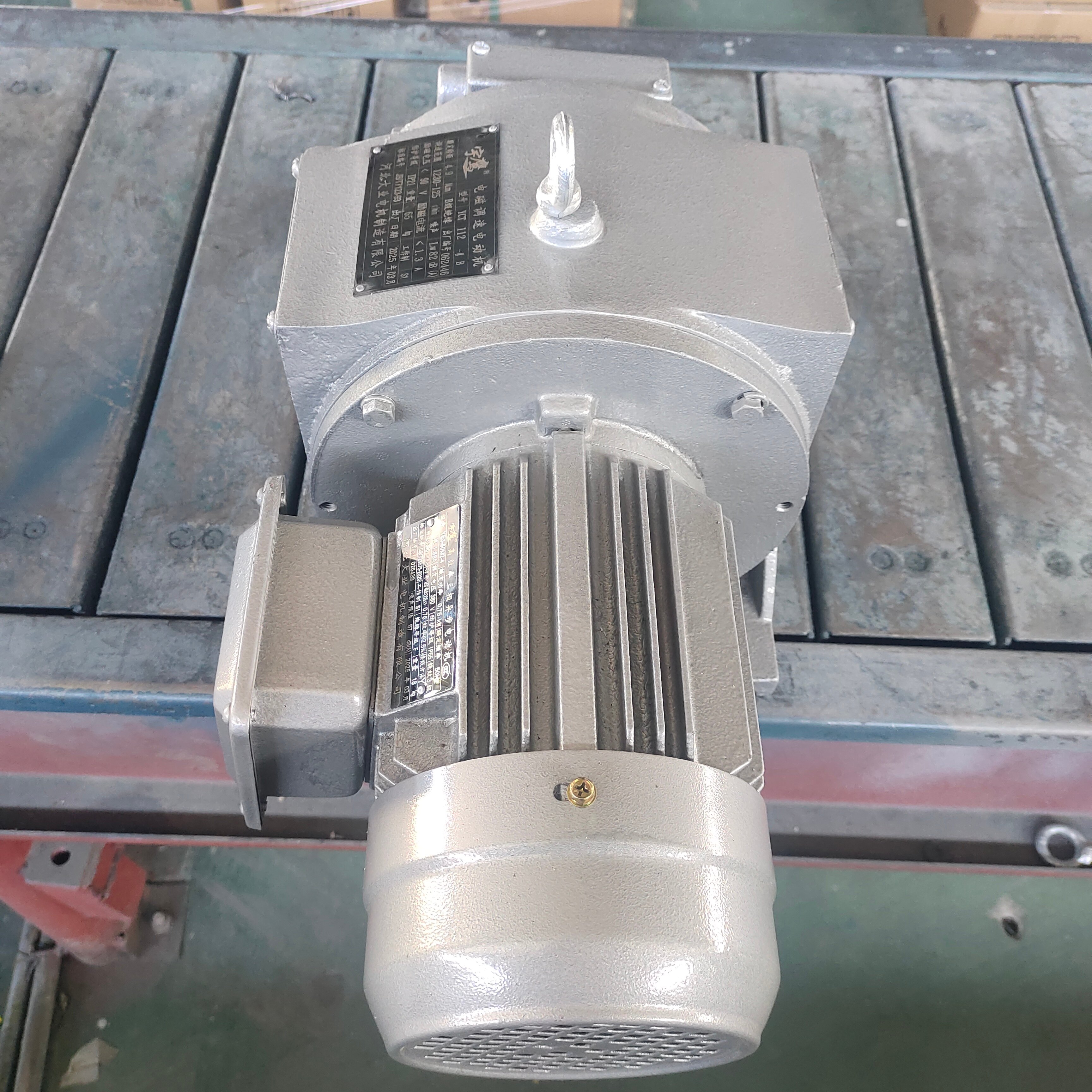
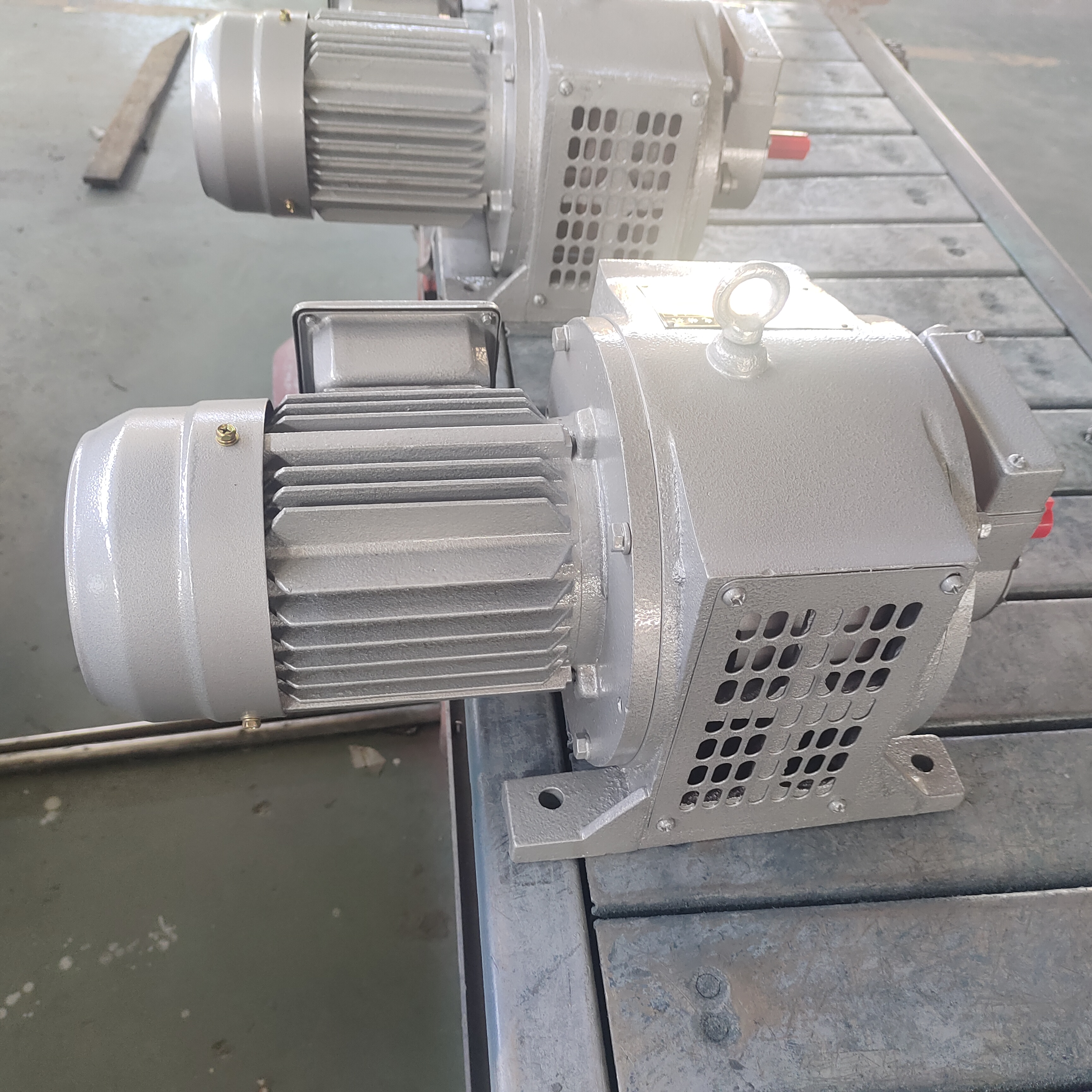
Ինտելեկտուալ վերահսկման և հսկման հնարավորություններ
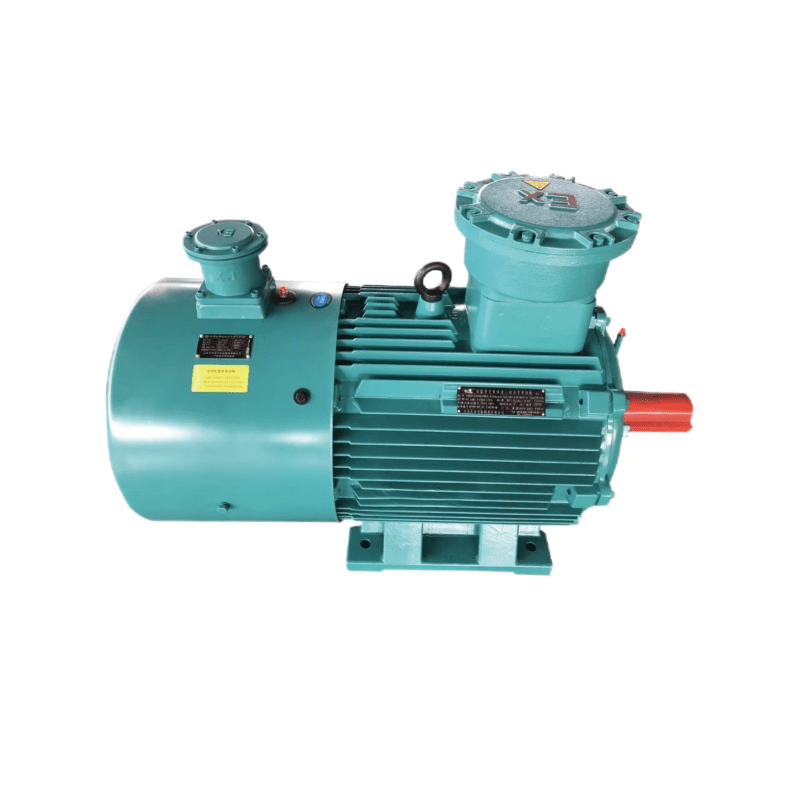
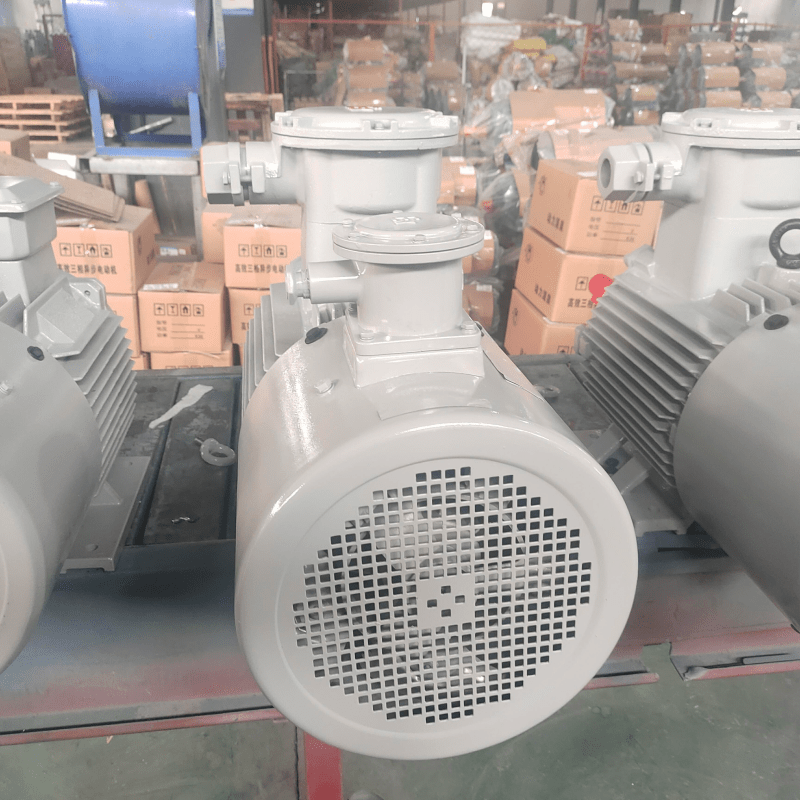
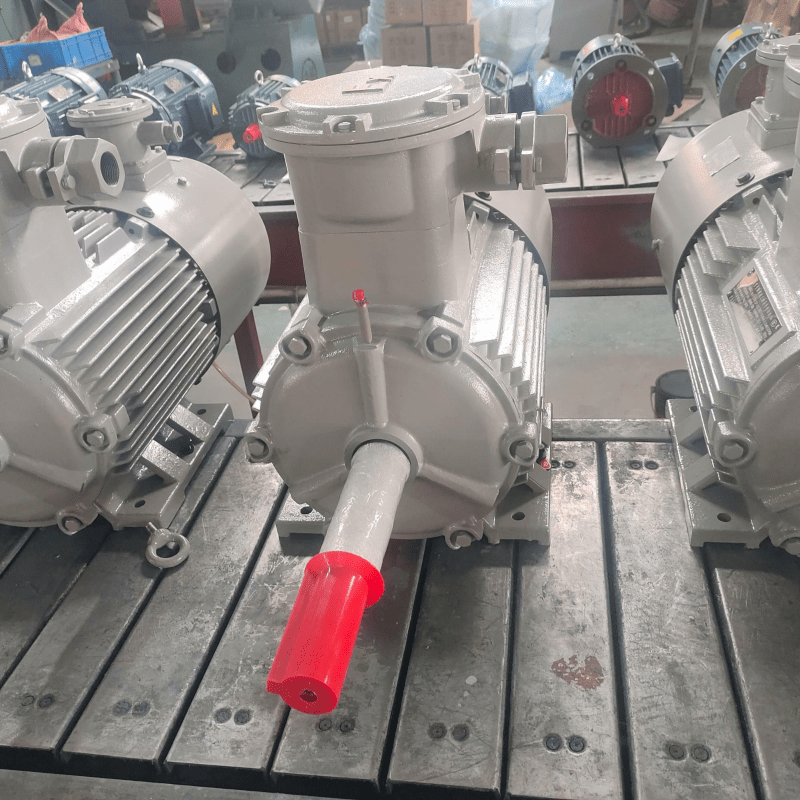
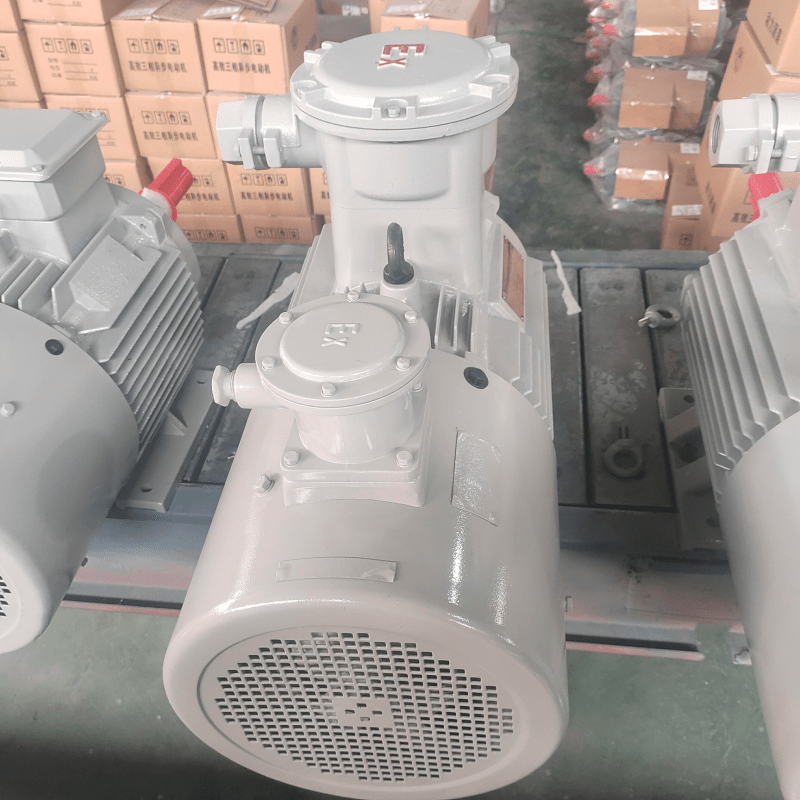
Ժամանակակից բարձրորակ արդյունաբերական շարժիչների համակարգերի մեջ ինտեգրված խելացի վերահսկողության եւ վերահսկման հնարավորությունները հեղափոխություն են առաջացնում սարքավորումների կառավարման մեջ ՝ ապահովելով գործառնական կատարողականի աննախադեպ տեսանելիություն եւ հնարավորություն ընձեռելով կանխատեսելի պահպանման ռազմավարություններ, Այս առաջադեմ համակարգերը ներառում են ներկառուցված սենսորներ եւ միկրոպրոցեսորային վերահսկիչներ, որոնք անընդհատ վերահսկում են կարեւոր պարամետրերը, ներառյալ ջերմաստիճանը, ցնցումները, հոսքի ներծծումը եւ արագության փոփոխությունները, իրական ժամանակում տրամադրելով տվյալ Ինտելեկտիվ վերահսկողության տեխնոլոգիան հայտնաբերում է շարժիչի վարքի նուրբ փոփոխությունները, որոնք նախորդում են բաղադրիչների խափանումներին, ինչը թույլ է տալիս պահպանման թիմերին լուծել հնարավոր խնդիրները, նախքան դրանք ազդեն արտադրության ժամանակացույցների վրա կամ վնաս պատճառեն սարքավորումների վրա: Որակյալ արդյունաբերական շարժիչների համակարգերը պարունակում են հաղորդակցման ինտերֆեյսներ, որոնք անխափան ինտեգրվում են գործարանի ամբողջական կառավարման համակարգերի եւ ձեռնարկության ռեսուրսների պլանավորման հարթակների հետ, ինչը հնարավորություն է տալիս կենտրոնացված վերահսկողություն եւ վերահսկողություն իրականացնել բազմաթիվ շարժիչ Մոտորի առաջադեմ կառավարման ալգորիթմները ավտոմատ կերպով օպտիմալացնում են շարժիչի կատարումը' հիմնվելով բեռի պայմանների եւ գործառնական պահանջների վրա, ապահովելով արդյունավետ աշխատանք՝ միաժամանակ պաշտպանելով վնասակար գործառնական պայմաններից, ինչպիսիք են գերբեռնվածությունը կամ լարման տ Այս համակարգերը ապահովում են համապարփակ ախտորոշման հնարավորություններ, որոնք բացահայտում են կոնկրետ բաղադրիչների խնդիրները եւ խորհուրդ են տալիս համապատասխան պահպանման գործողություններ, նվազեցնում են անսարքությունների լուծման ժամանակը եւ ապահովում են խնդիրների ճշգրիտ լուծում: Ինտելեկտիվ հատկանիշները ներառում են ծրագրավորվող պաշտպանության պարամետրեր, որոնք հարմարվում են հատուկ կիրառման պահանջներին, տրամադրելով հարմարեցված պաշտպանություններ, որոնք կանխում են վնասը ՝ միաժամանակ առավելագույնս մեծացնելով գործառնական ճկունությունը: Որակյալ արդյունաբերական շարժիչների կառավարման համակարգերը ապահովում են հեռավար վերահսկողության հնարավորությունները անվտանգ ցանցային կապերի միջոցով, ինչը հնարավորություն է տալիս հետեւել արտաքին կայքի կատարմանը եւ սպասարկման պլանավորմանը, ինչը նվազեցնում է հաստատության այցերը ՝ ապահովելով սարքավորումների օպտիմալ վիճակը: Տվյալների գրանցման գործառույթը գրավում է գործառնական պատմությունը, որը աջակցում է միտումների վերլուծությանը եւ կատարողականի օպտիմալացմանը, արդյունավետության բարելավման եւ գործառնական ծախսերի նվազեցման հնարավորությունների հայտնաբերմանը: Այս ինտելեկտուալ համակարգերը ստեղծում են ավտոմատացված զեկույցներ եւ զգուշացումներ, որոնք պահում են պահպանման թիմերը տեղեկացված սարքավորումների վիճակի եւ սպասարկման առաջիկա պահանջների մասին, հեշտացնում են կանխարգելիչ պահպանման պլանավորում, որը կանխում է անսպասելի խափանում

 EN
EN