
 EN
EN
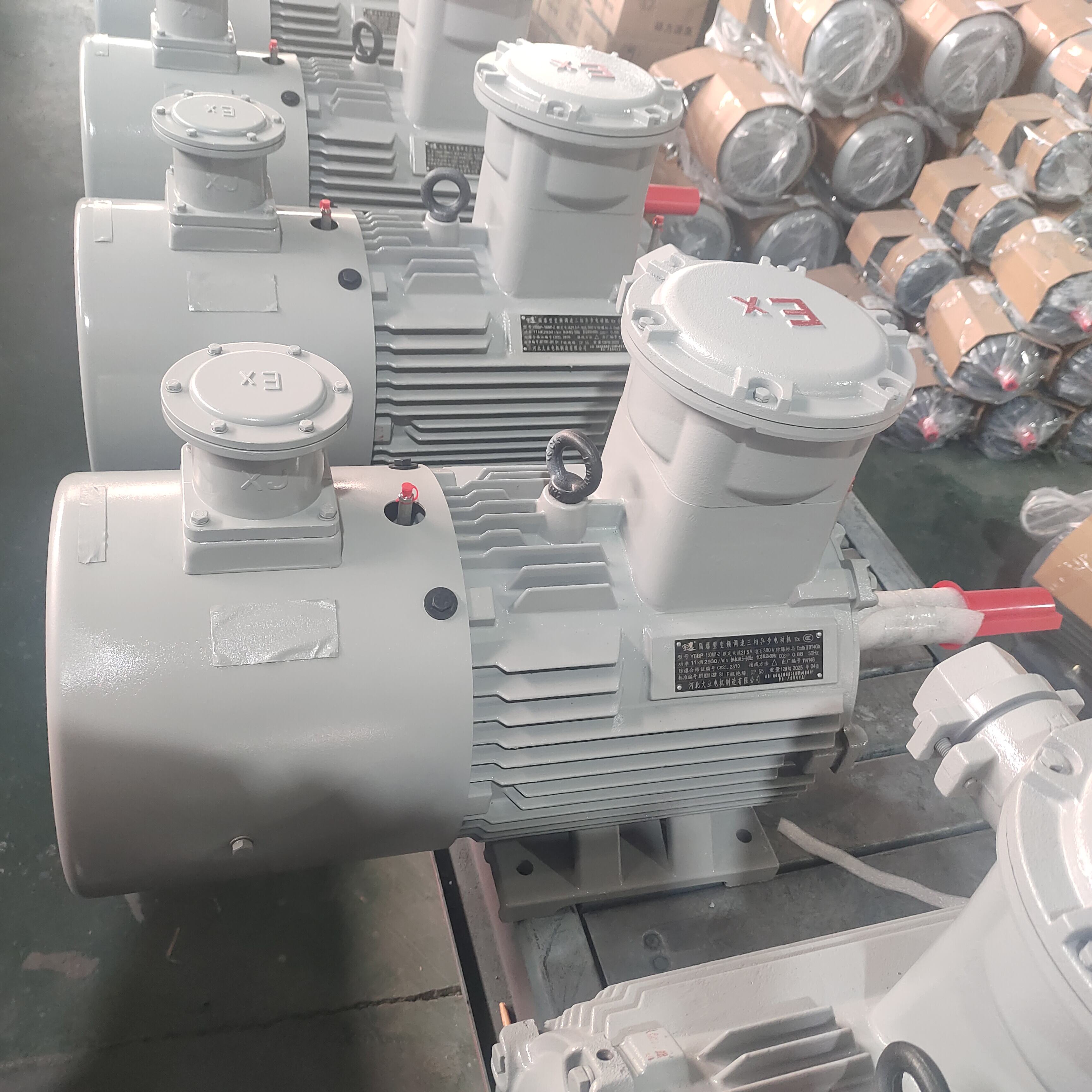
Selecting the right variable frequency motor for industrial applications requires careful consideration of multiple inverter compatibility factors that directly impact system performance and operational efficiency. Modern manufacturing environments demand precise speed control and energy optimization, making the relationship between motors and inverters more critical than ever. Understanding these compatibility factors ensures optimal system integration, reduces maintenance costs, and maximizes equipment lifespan. The synergy between a variable frequency motor and its controlling inverter determines everything from starting torque characteristics to thermal management capabilities. Engineers must evaluate electrical specifications, mechanical design parameters, and environmental conditions to make informed decisions that align with specific application requirements.
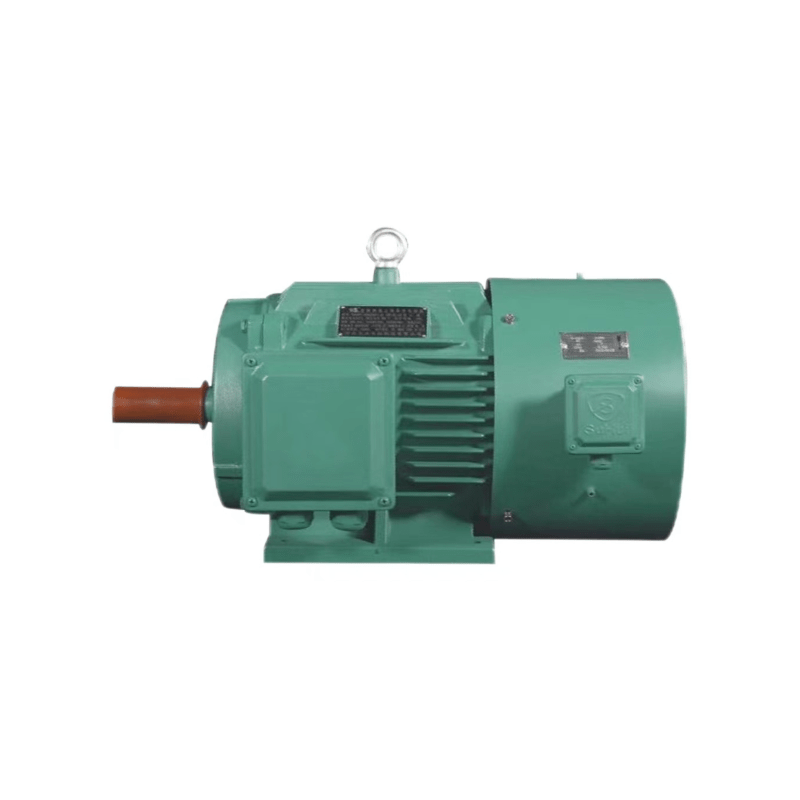
Electrical Compatibility Fundamentals
Voltage and Frequency Matching
The foundation of successful variable frequency motor operation lies in proper voltage and frequency coordination between the motor and inverter system. Standard industrial motors are designed for specific voltage ratings, typically 230V, 460V, or 575V configurations, which must align precisely with inverter output capabilities. Frequency matching is equally important, as variable frequency motors must accommodate the inverter's frequency range while maintaining optimal efficiency across the operational spectrum. Mismatched voltage levels can lead to reduced torque output, increased heating, and premature component failure. The inverter's voltage regulation capabilities should complement the motor's tolerance specifications to ensure stable performance under varying load conditions.
Modern variable frequency motor designs incorporate enhanced insulation systems specifically engineered to withstand the high-frequency switching characteristics of PWM inverters. These motors feature specialized winding configurations and insulation materials that resist voltage spikes and electromagnetic interference generated by rapid switching cycles. The voltage rise time and peak voltage levels produced by the inverter must fall within the motor's insulation design limits to prevent premature breakdown and ensure long-term reliability.
Current Harmonics and Power Quality
Harmonic distortion represents a significant compatibility concern when integrating variable frequency motors with inverter systems. PWM switching creates harmonic currents that can cause additional heating in motor windings, reduce efficiency, and generate electromagnetic interference affecting nearby equipment. The inverter's harmonic profile must be compatible with the motor's design tolerance for current distortion, typically specified as Total Harmonic Distortion (THD) limits. Advanced inverters incorporate harmonic filtering technologies that minimize distortion and improve power quality for optimal motor performance.
Power factor considerations also influence compatibility decisions, as variable frequency motors exhibit different power factor characteristics when operated at various speeds and loads. The inverter's power factor correction capabilities should complement the motor's inherent characteristics to maintain acceptable system efficiency and reduce reactive power consumption. This relationship becomes particularly important in applications requiring operation across wide speed ranges where power factor variations can significantly impact overall system performance.
Thermal Management and Protection
Heat Dissipation Requirements
Thermal compatibility between variable frequency motors and inverters directly affects system reliability and operational lifespan. Variable speed operation alters the motor's cooling characteristics, particularly at low speeds where self-ventilated motors experience reduced airflow and increased operating temperatures. The inverter's thermal protection algorithms must coordinate with the motor's thermal time constants to provide appropriate protection without nuisance tripping. Proper thermal modeling ensures that both components operate within their design temperature limits across all operating conditions.
Advanced variable frequency motor designs often incorporate external cooling systems or enhanced ventilation to maintain optimal operating temperatures during extended low-speed operation. The inverter's thermal monitoring capabilities should interface effectively with these cooling systems to optimize performance and prevent overheating. Temperature sensors embedded in motor windings provide real-time feedback to the inverter's protection algorithms, enabling predictive maintenance strategies and preventing thermal damage.
Protection Coordination
Effective protection coordination requires careful matching of inverter protection functions with variable frequency motor characteristics. Overcurrent protection settings must account for the motor's starting current profile, load variations, and thermal capacity to provide adequate protection without false alarms. The inverter's protection algorithms should incorporate motor-specific parameters such as service factor, insulation class, and thermal time constants to optimize protective response.
Ground fault protection becomes particularly critical in variable frequency motor applications due to the high-frequency switching characteristics of modern inverters. The protection system must distinguish between normal leakage currents and actual ground faults while maintaining sensitivity to detect dangerous conditions. Proper grounding techniques and shielding practices ensure electromagnetic compatibility and reduce the risk of protection system malfunctions.
Mechanical Integration Factors
Vibration and Resonance Considerations
Mechanical compatibility encompasses vibration characteristics, mounting requirements, and resonance frequencies that can affect both variable frequency motor and inverter performance. Variable speed operation can excite mechanical resonances at specific frequencies, potentially causing excessive vibration and premature bearing wear. The inverter's frequency control capabilities should include skip frequency functions to avoid problematic resonance points while maintaining smooth operation across the required speed range.
Torsional vibration analysis becomes essential when coupling variable frequency motors to driven equipment through mechanical transmission systems. The inverter's acceleration and deceleration profiles must be compatible with the mechanical system's torsional characteristics to prevent resonance-induced failures. Advanced inverters offer customizable ramp rates and torque limiting functions that can be tailored to specific mechanical system requirements.
Bearing Current Mitigation
High-frequency switching in modern inverters can induce bearing currents in variable frequency motors, leading to premature bearing failure and increased maintenance costs. Compatibility considerations must address grounding strategies, common-mode voltage reduction, and bearing insulation techniques to minimize these destructive currents. The motor design should incorporate features such as insulated bearings, shaft grounding brushes, or Faraday shields to mitigate bearing current effects.
Common-mode chokes and dV/dt filters represent inverter-side solutions for reducing bearing current potential while maintaining system performance. The selection of these protective devices must consider the specific characteristics of the variable frequency motor and application requirements to achieve optimal protection without compromising dynamic response.
Control System Integration
Communication Protocols and Interfaces
Modern industrial applications require seamless integration between variable frequency motors, inverters, and higher-level control systems through standardized communication protocols. Compatibility considerations must address protocol selection, data exchange requirements, and real-time performance specifications to ensure effective system coordination. Popular protocols such as Modbus, Ethernet/IP, and PROFINET offer different capabilities and performance characteristics that must align with application-specific requirements.
The inverter's communication capabilities should provide comprehensive monitoring and control access to variable frequency motor parameters including speed feedback, current consumption, temperature readings, and diagnostic information. Advanced integration enables predictive maintenance strategies, energy optimization algorithms, and automated fault diagnosis that enhance overall system reliability and efficiency.
Feedback Systems and Encoders
Precise speed and position control applications require compatible feedback systems between the variable frequency motor and inverter controller. Encoder selection must consider resolution requirements, environmental conditions, and electrical interface specifications to ensure accurate feedback signal transmission. The inverter's feedback processing capabilities should match the encoder's output characteristics and provide adequate resolution for the intended application.
Sensorless control algorithms represent an alternative approach that eliminates external feedback devices while maintaining acceptable control performance for many applications. The compatibility between the inverter's sensorless algorithms and the variable frequency motor's electrical characteristics determines the achievable performance level and operational range. Proper motor parameter identification and tuning optimize sensorless control effectiveness.
Environmental and Application Considerations
Operating Environment Compatibility
Environmental factors significantly influence the compatibility requirements between variable frequency motors and inverter systems. Temperature extremes, humidity levels, atmospheric pressure, and contamination exposure affect both electrical and mechanical performance characteristics. The motor's enclosure rating must be compatible with the inverter's environmental specifications and the specific installation environment to ensure reliable long-term operation.
Altitude considerations become important for installations above sea level, where reduced air density affects both motor cooling and inverter heat dissipation capabilities. Derating factors must be applied consistently to both components to maintain proper thermal margins and prevent overheating. Special attention to insulation coordination ensures adequate electrical clearances and creepage distances in high-altitude environments.
Duty Cycle and Load Characteristics
The application's duty cycle and load profile directly influence variable frequency motor and inverter compatibility requirements. Continuous duty applications require different thermal and mechanical considerations compared to intermittent or cycling duty patterns. The inverter's overload capabilities must align with the motor's thermal capacity and the application's peak torque requirements to prevent system limitations.
Variable torque applications such as centrifugal pumps and fans have different compatibility requirements compared to constant torque applications like conveyors and mixers. The inverter's control algorithms and motor characteristics must be optimized for the specific load profile to achieve maximum efficiency and performance. Energy savings potential varies significantly based on the compatibility between system components and application requirements.
Selection Methodology and Best Practices
Specification Development Process
Developing comprehensive specifications for variable frequency motor and inverter compatibility requires systematic evaluation of all relevant factors. The specification process should begin with thorough application analysis including load requirements, environmental conditions, control system interfaces, and performance expectations. This foundation enables informed decision-making regarding component selection and system configuration options.
Performance verification testing becomes essential to validate compatibility assumptions and ensure that the selected variable frequency motor and inverter combination meets application requirements. Factory acceptance testing should include thermal performance verification, harmonic analysis, protection system coordination, and dynamic response evaluation under simulated operating conditions.
Future-Proofing Strategies
Compatibility considerations should incorporate future expansion possibilities and technology evolution trends to maximize system investment value. Selecting variable frequency motors and inverters with upgrade capabilities, expandable communication interfaces, and modular protection features enables system enhancement without complete replacement. Technology roadmaps for both motor and inverter manufacturers provide insight into future compatibility requirements and upgrade paths.
Standardization efforts within the industry continue to improve compatibility between different manufacturers' equipment while maintaining competitive innovation. Participating in industry standards development and monitoring emerging technologies ensures that new variable frequency motor installations remain compatible with future system enhancements and maintenance requirements.
FAQ
What are the most critical electrical parameters to match between a variable frequency motor and inverter
The most critical electrical parameters include voltage rating compatibility, frequency range alignment, current capacity matching, and harmonic distortion tolerance. The motor's rated voltage must match the inverter's output voltage capabilities, while the frequency range should accommodate the application's speed control requirements. Current ratings should provide adequate margin for starting and overload conditions, and the motor's insulation system must withstand the inverter's harmonic content and voltage rise characteristics.
How do bearing currents affect variable frequency motor selection and what mitigation strategies are available
Bearing currents induced by high-frequency inverter switching can cause premature bearing failure through electrical discharge machining effects. Mitigation strategies include selecting motors with insulated bearings, implementing shaft grounding systems, using common-mode chokes or dV/dt filters on the inverter output, and proper grounding techniques. The severity of bearing current issues depends on motor size, cable length, and inverter switching frequency, making proper assessment essential for long-term reliability.
What role does thermal management play in variable frequency motor and inverter compatibility
Thermal management significantly affects system reliability and performance, particularly during low-speed operation where motor cooling is reduced. The inverter's thermal protection algorithms must coordinate with the motor's thermal characteristics to provide appropriate protection without nuisance tripping. Proper thermal modeling considers ambient temperature, duty cycle, and cooling system effectiveness to ensure both components operate within design temperature limits throughout the operational envelope.
How do communication protocols and control system integration impact compatibility decisions
Modern applications require seamless integration between variable frequency motors, inverters, and plant control systems through standardized communication protocols. Compatibility considerations include protocol selection, data exchange capabilities, real-time performance requirements, and diagnostic information access. The chosen communication system should provide comprehensive monitoring and control functionality while supporting predictive maintenance strategies and energy optimization algorithms that enhance overall system effectiveness.
Table of Contents
- Electrical Compatibility Fundamentals
- Thermal Management and Protection
- Mechanical Integration Factors
- Control System Integration
- Environmental and Application Considerations
- Selection Methodology and Best Practices
-
FAQ
- What are the most critical electrical parameters to match between a variable frequency motor and inverter
- How do bearing currents affect variable frequency motor selection and what mitigation strategies are available
- What role does thermal management play in variable frequency motor and inverter compatibility
- How do communication protocols and control system integration impact compatibility decisions