
 EN
EN
Fire protection is not just a regulatory requirement for businesses—it's a fundamental responsibility that can mean the difference between minor property damage and catastrophic loss. Every year, commercial fires result in billions of dollars in property damage, business interruption, and tragically, loss of life. The importance of having comprehensive fire protection measures cannot be overstated, as they serve as the first line of defense against one of the most destructive forces that can impact any business operation.
Understanding which fire protection equipment is essential for your business requires careful consideration of your facility's unique risks, occupancy type, and operational requirements. From basic detection systems to advanced suppression technologies, the right combination of fire protection equipment creates multiple layers of safety that work together to detect fires early, alert occupants, and suppress flames before they can spread. This comprehensive approach to fire safety ensures that businesses can protect their employees, customers, assets, and continue operations even in the face of fire-related emergencies.
Essential Fire Detection and Alarm Systems
Smoke Detection Technologies
Modern fire protection begins with early detection, and smoke detectors form the cornerstone of any effective fire safety system. Photoelectric smoke detectors excel at detecting smoldering fires that produce significant smoke before flames appear, making them ideal for areas with electrical equipment and storage spaces. These devices work by using a light beam and sensor arrangement that triggers an alarm when smoke particles interrupt the light path, providing reliable early warning for slow-developing fires.
Ionization smoke detectors complement photoelectric units by quickly responding to fast-flaming fires that produce smaller smoke particles. The combination of both technologies in dual-sensor smoke detectors provides comprehensive coverage against different types of fire scenarios. For businesses with specific environmental challenges, such as dusty conditions or temperature extremes, specialized smoke detectors with enhanced filtering and compensation features ensure reliable fire protection without false alarms.
Heat Detection and Multi-Sensor Systems
Heat detectors serve as crucial backup systems in fire protection schemes, particularly in environments where smoke detectors might be prone to false alarms. Fixed-temperature heat detectors activate when ambient temperature reaches a predetermined level, typically between 135°F and 200°F, making them suitable for kitchens, boiler rooms, and areas with normal temperature variations. Rate-of-rise heat detectors respond to rapid temperature increases, providing faster response times for quickly developing fires.
Multi-sensor fire detectors represent the latest advancement in fire protection technology, combining smoke, heat, and sometimes carbon monoxide detection in a single device. These intelligent systems use sophisticated algorithms to analyze multiple inputs simultaneously, significantly reducing false alarms while improving response time to genuine fire conditions. The integration of wireless communication capabilities allows these systems to provide detailed information about fire location and severity to central monitoring stations.
Fire Suppression and Extinguishment Equipment
Portable Fire Extinguishers
Portable fire extinguishers remain the most immediate and accessible fire protection tools available to business occupants. Class A extinguishers, containing water or foam agents, effectively combat fires involving ordinary combustible materials like paper, wood, and fabric. These extinguishers work by cooling the burning material below its ignition temperature and creating a barrier between the fuel and oxygen, making them essential for office environments and general storage areas.
Class B extinguishers use dry chemical or carbon dioxide agents to suppress fires involving flammable liquids such as gasoline, oil, and solvents. The rapid expansion of CO2 displaces oxygen around the fire while dry chemical agents interrupt the chemical chain reaction of combustion. Class C extinguishers specifically address electrical fires, using non-conductive agents that won't create additional electrical hazards when applied to energized equipment, making them critical for businesses with significant electrical infrastructure.
Automated Sprinkler Systems
Automatic sprinkler systems provide round-the-clock fire protection coverage, operating independently of human intervention to control and suppress fires in their early stages. Wet pipe sprinkler systems, the most common configuration, maintain water under pressure in the distribution pipes, allowing immediate water discharge when heat-activated sprinkler heads open. This rapid response capability makes wet pipe systems ideal for heated buildings with standard occupancy and fire load characteristics.
Dry pipe sprinkler systems serve specialized fire protection needs in unheated areas or where water damage concerns exist. These systems maintain pressurized air or nitrogen in the pipes, releasing water only when sufficient heat causes sprinkler heads to open and the air pressure to drop. Pre-action sprinkler systems provide an additional level of control by requiring both fire detection system activation and sprinkler head operation before water discharge, making them suitable for areas containing sensitive equipment or valuable materials.
Emergency Communication and Evacuation Systems
Fire Alarm Notification Systems
Effective fire protection extends beyond detection and suppression to include clear communication of emergency conditions to building occupants. Audible notification devices, including horns, bells, and voice communication systems, must produce sound levels that exceed ambient noise by at least 15 decibels to ensure occupants can hear alarm signals throughout the facility. Modern fire protection systems incorporate voice evacuation capabilities that provide specific instructions and directional guidance during emergency situations.
Visual notification devices complement audible alarms to ensure fire protection reaches occupants with hearing impairments and those in high-noise environments. Strobe lights and LED displays provide unmistakable visual alerts that synchronize with audible signals, creating a comprehensive notification system. Advanced fire protection systems can customize notification sequences based on fire location, building occupancy, and evacuation procedures, ensuring optimal emergency response coordination.
Emergency Lighting and Exit Systems
Emergency lighting systems maintain illumination during power failures, ensuring safe evacuation routes remain visible during fire emergencies. Battery-powered emergency lights automatically activate when normal power fails, providing minimum illumination levels required by fire protection codes for stairwells, corridors, and exits. These systems typically maintain operation for at least 90 minutes, sufficient time for complete building evacuation under most circumstances.
Exit signs with internally illuminated letters or LED technology mark egress routes and remain visible even in smoke-filled conditions. Photoluminescent exit signs offer an alternative fire protection solution that charges from ambient light and glows for hours after power loss, requiring no electrical connection or battery maintenance. Self-testing emergency lighting systems automatically verify battery condition and lamp operation, ensuring reliable performance when needed most.
Specialized Fire Protection Equipment for High-Risk Areas
Kitchen Fire Suppression Systems
Commercial kitchens present unique fire protection challenges due to high-temperature cooking operations and grease accumulation. Wet chemical suppression systems specifically designed for kitchen environments discharge alkaline-based agents that react with cooking oils and fats to form a soap-like foam barrier. This chemical reaction, called saponification, prevents re-ignition while cooling the protected appliances below their auto-ignition temperature.
Kitchen fire protection systems integrate with cooking equipment controls to automatically shut off fuel supplies and electrical power when activated, preventing continued fuel feeding to fires. Hood and duct suppression systems protect exhaust systems where grease accumulation creates significant fire hazards, extending fire protection coverage throughout the entire cooking ventilation system. Regular cleaning and maintenance of kitchen fire protection equipment ensures optimal performance and compliance with health department regulations.
Server Room and Data Center Protection
Computer rooms and data centers require specialized fire protection systems that suppress fires without damaging sensitive electronic equipment or causing extended downtime. Clean agent fire suppression systems use gaseous agents like FM-200 or Novec 1230 that leave no residue and are electrically non-conductive, making them ideal for protecting IT infrastructure. These systems work by removing heat from the fire triangle and interrupting the chemical chain reaction of combustion.
Very early smoke detection apparatus (VESDA) provides ultra-sensitive fire protection monitoring in critical areas by continuously sampling air through a network of pipes and analyzing particles for signs of combustion. This aspirating smoke detection technology can identify potential fire conditions long before conventional smoke detectors activate, allowing time for investigation and manual intervention before automatic suppression system discharge.
Industrial Fire Protection for Manufacturing Environments
Explosion-Proof Equipment and Flameproof Motors
Manufacturing facilities handling flammable materials require specialized fire protection equipment designed to prevent ignition sources in hazardous atmospheres. Explosion-proof electrical equipment contains any internal explosions and prevents them from igniting external flammable vapors or gases, maintaining safe operations in classified hazardous locations. These robust enclosures undergo rigorous testing to ensure they can withstand internal pressure and prevent flame propagation.
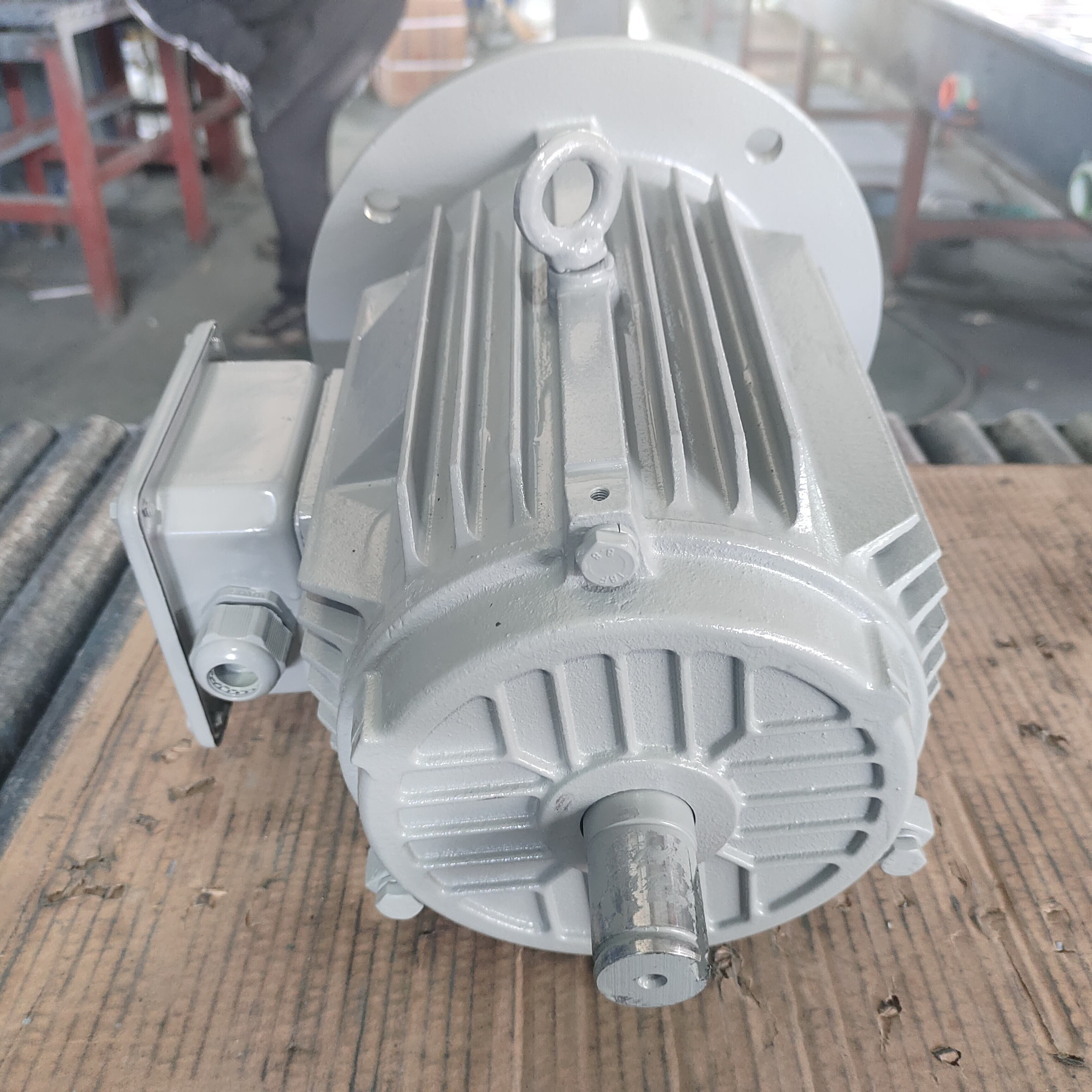
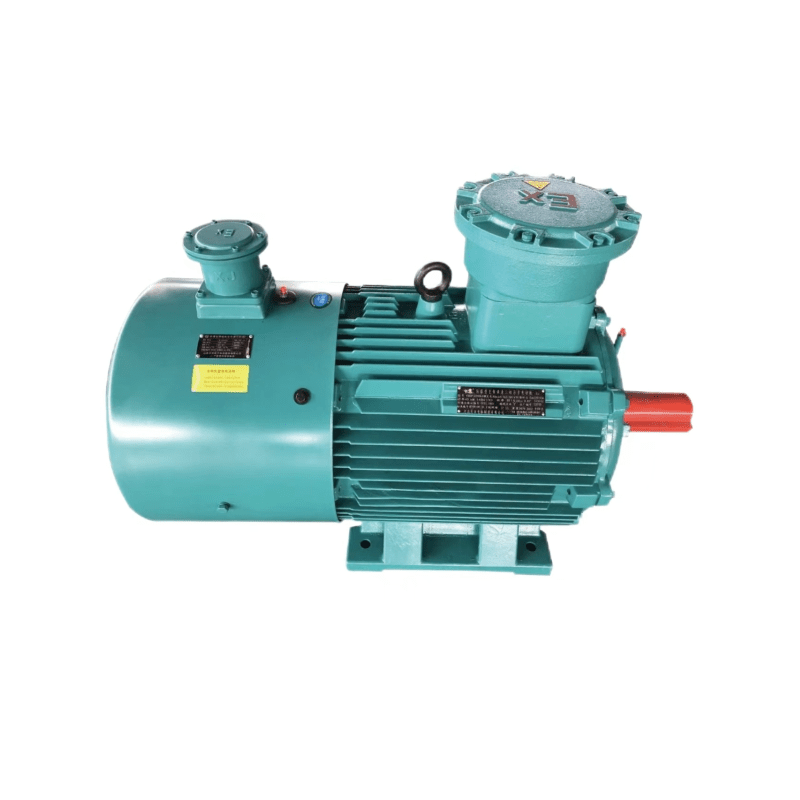
Flameproof three-phase asynchronous motors provide essential fire protection in industrial applications where standard electrical equipment could create ignition risks. These specialized motors feature reinforced housings and precise machining tolerances that prevent internal arcs or sparks from escaping to ignite surrounding atmospheric hazards. Proper installation and maintenance of explosion-proof equipment forms a critical component of comprehensive fire protection strategies in industrial settings.
Process-Specific Suppression Systems
Industrial fire protection often requires customized suppression systems tailored to specific manufacturing processes and materials. Foam suppression systems effectively combat hydrocarbon fires in storage tank farms and processing facilities by creating an oxygen-excluding blanket over liquid surfaces. High-expansion foam systems can fill large spaces quickly, making them suitable for warehouses and aircraft hangars where traditional sprinkler systems might be insufficient.
Dry chemical suppression systems provide rapid fire knockdown for industrial processes involving flammable liquids and gases. These systems discharge powdered agents that interrupt combustion chain reactions and can be applied through fixed nozzles or portable wheeled units. Water mist systems offer an environmentally friendly fire protection alternative that uses fine water droplets to cool fires and displace oxygen while minimizing water damage to equipment and products.
FAQ
What types of businesses are required to have fire protection equipment?
All commercial businesses are required to have basic fire protection equipment, but specific requirements vary based on occupancy classification, building size, and local fire codes. High-occupancy buildings, healthcare facilities, schools, and industrial operations typically have more stringent fire protection requirements. Manufacturing facilities handling hazardous materials must implement comprehensive fire protection systems that address specific risks associated with their processes and stored materials.
How often should fire protection equipment be inspected and maintained?
Fire protection equipment requires regular inspection and maintenance schedules mandated by NFPA standards and local codes. Portable fire extinguishers need monthly visual checks and annual professional servicing, while fire alarm systems require weekly testing of notification devices and annual comprehensive inspections. Sprinkler systems need quarterly valve inspections and annual testing of alarm devices, with five-year flow tests for proper water delivery verification.
Can businesses install fire protection equipment themselves or must they use professionals?
While businesses can install some basic fire protection equipment like portable extinguishers and battery-operated smoke detectors, most comprehensive fire protection systems require professional installation by licensed contractors. Fire alarm systems, sprinkler systems, and specialized suppression equipment must be designed, installed, and commissioned by qualified professionals to ensure code compliance and proper operation. Professional installation also ensures warranty coverage and ongoing maintenance support.
What factors determine the cost of implementing comprehensive fire protection systems?
Fire protection system costs depend on building size, occupancy type, local code requirements, and specific hazards present in the facility. Basic fire protection including alarms and extinguishers may cost a few thousand dollars for small businesses, while comprehensive systems for large facilities can require investments of hundreds of thousands of dollars. However, the cost of fire protection equipment is minimal compared to potential losses from uncontrolled fires, making these investments essential for business continuity and safety.
Table of Contents
- Essential Fire Detection and Alarm Systems
- Fire Suppression and Extinguishment Equipment
- Emergency Communication and Evacuation Systems
- Specialized Fire Protection Equipment for High-Risk Areas
- Industrial Fire Protection for Manufacturing Environments
-
FAQ
- What types of businesses are required to have fire protection equipment?
- How often should fire protection equipment be inspected and maintained?
- Can businesses install fire protection equipment themselves or must they use professionals?
- What factors determine the cost of implementing comprehensive fire protection systems?