
 EN
EN
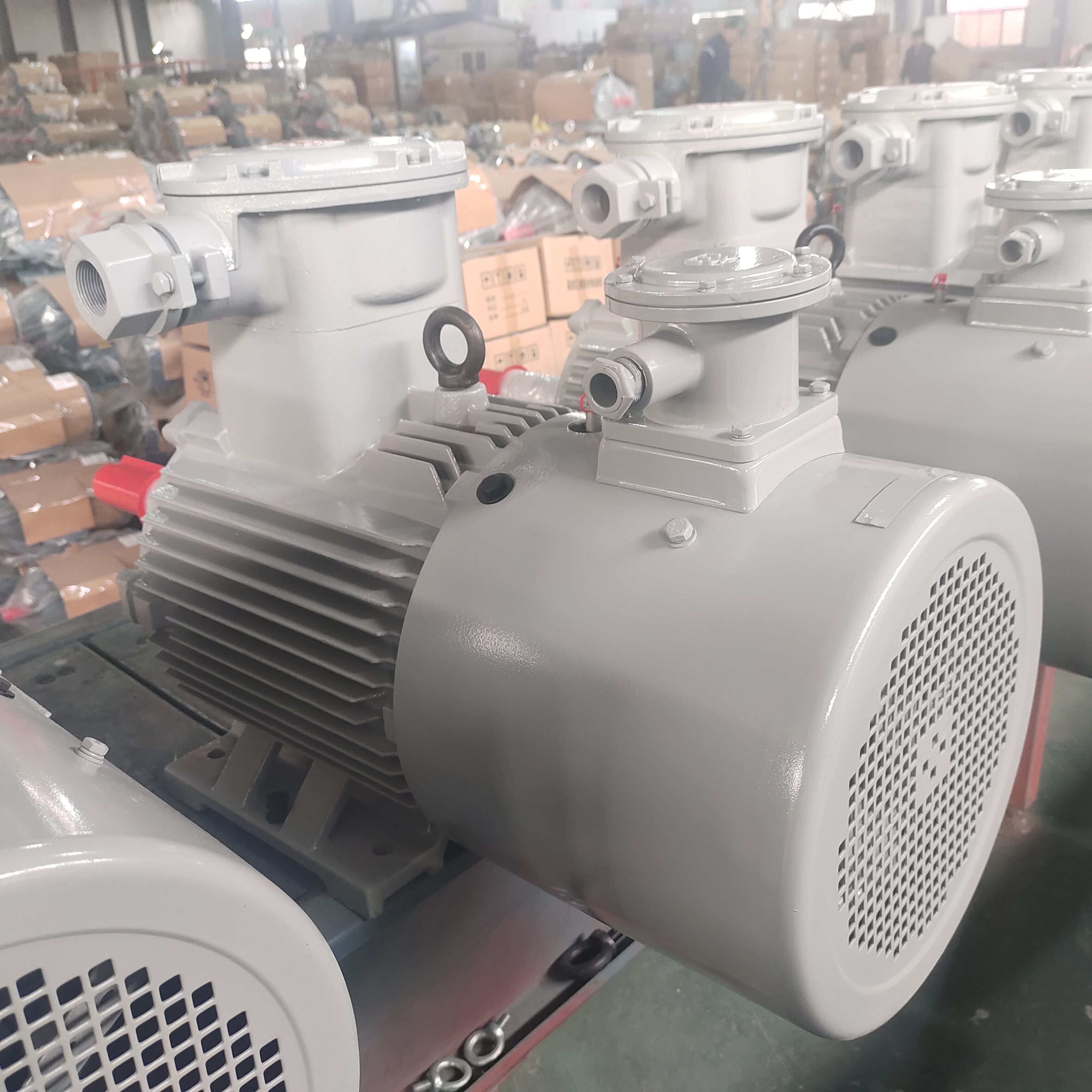
Industrial facilities across the globe are constantly seeking innovative solutions to optimize energy consumption while maintaining operational excellence. The integration of advanced motor technologies has revolutionized how manufacturing plants approach energy management, with variable frequency motor systems leading this transformation. These sophisticated drives offer unprecedented control over motor speed and torque, enabling facilities to achieve remarkable energy savings while enhancing overall system performance. Modern industrial applications demand precise control mechanisms that can adapt to varying load conditions, making variable frequency motor technology an essential component of contemporary energy management strategies.
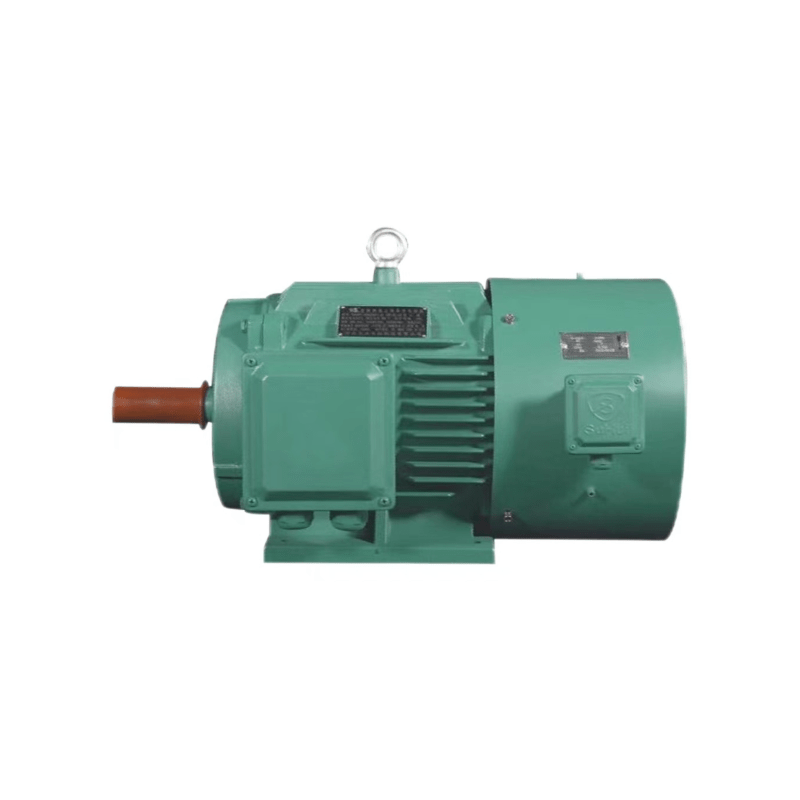
Understanding Variable Frequency Motor Technology
Core Operating Principles
A variable frequency motor operates on the fundamental principle of adjusting electrical frequency to control motor speed with exceptional precision. Unlike traditional fixed-speed motors that operate at constant rpm regardless of load requirements, variable frequency motor systems dynamically adjust their output to match actual demand. This intelligent adaptation occurs through sophisticated electronic circuits that convert incoming AC power to DC, then reconvert it back to AC at the desired frequency and voltage levels. The process enables seamless speed regulation from zero to maximum rated speed, providing operators with complete control over motor performance characteristics.
The electronic control systems within variable frequency motor drives utilize pulse width modulation techniques to create smooth, stepless speed control. This technology eliminates the mechanical stress associated with direct-on-line starting methods, significantly extending motor lifespan while reducing maintenance requirements. Advanced microprocessor-based controllers continuously monitor system parameters, automatically adjusting output characteristics to maintain optimal performance under varying load conditions. The result is a highly efficient motor system that delivers precise speed control while minimizing energy consumption across all operating points.
Advanced Control Features
Modern variable frequency motor systems incorporate sophisticated control algorithms that optimize performance across diverse industrial applications. Vector control technology enables independent regulation of motor flux and torque, delivering superior dynamic response comparable to DC motor systems. This advanced control methodology allows variable frequency motor drives to maintain constant torque output even at very low speeds, making them ideal for applications requiring precise positioning or complex motion profiles. Sensorless control capabilities eliminate the need for external feedback devices while maintaining exceptional speed regulation accuracy.
Programmable logic integration within variable frequency motor controllers enables seamless communication with plant automation systems. Multiple communication protocols including Modbus, Profibus, and Ethernet/IP facilitate real-time data exchange between motor drives and central control systems. This connectivity allows operators to monitor motor performance, adjust operating parameters, and implement predictive maintenance strategies remotely. Advanced diagnostic capabilities provide detailed insights into motor health, enabling proactive maintenance scheduling that minimizes unplanned downtime while maximizing equipment reliability.
Energy Efficiency Benefits in Industrial Applications
Power Consumption Optimization
The energy-saving potential of variable frequency motor technology stems from its ability to match motor output precisely to actual load requirements. Traditional motor systems operate at full speed continuously, wasting significant energy when full capacity is not needed. In contrast, variable frequency motor drives reduce power consumption proportionally to the cube of speed reduction, delivering substantial energy savings in variable load applications. For example, reducing motor speed by 20% can result in energy savings of approximately 50%, demonstrating the remarkable efficiency gains possible through intelligent speed control.
Industrial facilities typically experience varying load conditions throughout daily operations, making variable frequency motor systems particularly effective for energy management. Pumping applications benefit significantly from speed modulation, as reducing pump speed by small amounts results in dramatic reductions in power consumption. HVAC systems equipped with variable frequency motor drives can adjust fan and compressor speeds based on actual cooling or heating demands, eliminating the energy waste associated with constant-speed operation. These efficiency improvements translate directly into reduced operating costs and enhanced environmental sustainability.
Demand Management Capabilities
Variable frequency motor systems enable sophisticated demand management strategies that help industrial facilities avoid expensive peak demand charges. Soft-start capabilities eliminate the high inrush currents associated with direct motor starting, reducing peak demand spikes that can significantly increase electricity costs. Load scheduling features allow operators to stagger motor startups, spreading electrical demand over time to maintain consistent power consumption patterns. This intelligent demand management can result in substantial reductions in utility demand charges, which often represent a significant portion of industrial electricity costs.
Power factor correction capabilities inherent in modern variable frequency motor drives improve overall electrical system efficiency. These systems maintain high power factors across varying load conditions, reducing reactive power consumption and improving electrical system stability. Enhanced power factor performance reduces line losses in distribution systems while improving voltage regulation throughout the facility. Many utility companies offer incentives for maintaining high power factors, making variable frequency motor systems financially attractive beyond their direct energy savings benefits.
Operational Advantages and System Integration
Process Control Enhancement
Variable frequency motor technology provides unprecedented process control capabilities that enable precise regulation of industrial processes. Speed control accuracy within 0.01% of set point ensures consistent product quality while minimizing material waste. Programmable acceleration and deceleration curves prevent mechanical shock during startup and shutdown sequences, protecting equipment while ensuring smooth process transitions. The ability to maintain constant torque across the entire speed range makes variable frequency motor systems ideal for applications requiring precise positioning or complex motion profiles.
Multi-motor coordination capabilities enable synchronous operation of multiple drive systems, essential for complex manufacturing processes. Master-slave configurations allow one variable frequency motor drive to control multiple motors simultaneously, ensuring perfect synchronization in applications such as conveyor systems or web handling equipment. Advanced positioning features provide precise control over motor rotation angles, enabling accurate positioning without external positioning systems. These capabilities transform simple motor drives into sophisticated motion control systems suitable for demanding industrial applications.
Maintenance and Reliability Improvements
The soft-start capabilities of variable frequency motor systems significantly reduce mechanical stress on motor components, extending equipment lifespan while reducing maintenance requirements. Gradual acceleration eliminates the mechanical shock associated with across-the-line starting, protecting bearings, couplings, and driven equipment from premature wear. Controlled deceleration prevents water hammer in pumping systems and reduces mechanical stress in conveyor applications. These benefits translate into reduced maintenance costs, extended equipment life, and improved system reliability.
Comprehensive motor protection features built into variable frequency motor drives provide superior equipment protection compared to traditional motor starters. Overload protection, phase loss detection, ground fault monitoring, and thermal protection safeguard motor investments while preventing costly equipment failures. Real-time monitoring capabilities provide continuous feedback on motor performance, enabling predictive maintenance strategies that identify potential issues before they result in equipment failures. Historical data logging features support maintenance planning and help identify trends that could indicate developing problems.
Economic Impact and Return on Investment
Cost Reduction Analysis
The financial benefits of implementing variable frequency motor technology extend beyond direct energy savings to encompass multiple cost reduction categories. Reduced energy consumption directly impacts operating expenses, with typical payback periods ranging from 6 months to 2 years depending on application and operating hours. Extended equipment life resulting from soft-start capabilities and reduced mechanical stress translates into lower capital replacement costs and reduced maintenance expenses. Process improvements achieved through precise speed control often result in improved product quality and reduced material waste, further enhancing economic benefits.
Demand charge reductions can represent significant cost savings in industrial facilities with high electrical demand. Variable frequency motor systems help maintain consistent electrical demand patterns, avoiding expensive peak demand charges that can substantially increase utility costs. Power factor improvement benefits include reduced line losses, improved system efficiency, and potential utility rebates for maintaining high power factors. These combined financial benefits often justify variable frequency motor investments through energy savings alone, with operational improvements providing additional value.
Long-term Value Creation
Variable frequency motor systems contribute to long-term value creation through enhanced operational flexibility and future-proofing capabilities. Programmable control features enable facilities to adapt to changing production requirements without major equipment modifications. Communication capabilities support integration with advanced manufacturing execution systems and Industry 4.0 initiatives. These flexibility benefits position facilities for future growth while maximizing the value of existing motor investments.
Environmental benefits associated with variable frequency motor technology support corporate sustainability goals while potentially qualifying facilities for green energy incentives. Reduced energy consumption directly translates to lower carbon emissions, supporting environmental stewardship initiatives. Many regions offer tax incentives or rebates for implementing energy-efficient technologies, further enhancing the economic attractiveness of variable frequency motor systems. These environmental and regulatory benefits complement direct economic advantages, creating compelling business cases for motor modernization projects.
Implementation Strategies and Best Practices
System Design Considerations
Successful variable frequency motor implementation requires careful analysis of application requirements and system characteristics. Load profile analysis helps determine optimal drive sizing and configuration parameters for maximum efficiency and performance. Harmonic analysis ensures compatibility with existing electrical systems while identifying any power quality improvements that may be necessary. Environmental considerations including temperature, humidity, and vibration levels influence drive selection and installation requirements, ensuring reliable long-term operation in demanding industrial environments.
Motor compatibility assessment ensures optimal performance when retrofitting existing motors with variable frequency motor drives. Inverter-duty motors provide enhanced insulation systems designed to withstand the high-frequency switching associated with drive operation. Proper cable selection and installation practices minimize electromagnetic interference while ensuring reliable signal transmission between drives and control systems. Grounding and shielding techniques protect sensitive electronic components while maintaining compliance with electrical safety standards.
Installation and Commissioning
Professional installation practices ensure optimal performance and reliability of variable frequency motor systems. Proper ventilation and cooling provisions prevent overheating while extending drive lifespan in demanding industrial environments. Electromagnetic compatibility considerations minimize interference with other electronic systems, ensuring reliable operation in electrically noisy industrial environments. Commissioning procedures verify proper system operation while optimizing control parameters for specific application requirements.
Training programs for maintenance personnel ensure effective system operation and troubleshooting capabilities. Understanding of variable frequency motor technology principles enables proactive maintenance approaches that maximize system reliability while minimizing downtime. Documentation of system configurations, parameter settings, and operational procedures supports consistent maintenance practices and facilitates troubleshooting when issues arise. Regular performance monitoring and optimization ensure continued efficiency benefits throughout system lifecycle.
FAQ
What are the primary energy savings achievable with variable frequency motor systems
Variable frequency motor systems typically achieve energy savings of 20-50% in variable load applications, with potential savings reaching 70% in some pumping and fan applications. The actual savings depend on the load profile, with applications having significant speed variation achieving the highest savings. Energy consumption reduces proportionally to the cube of speed reduction, making even small speed reductions highly effective for energy management.
How do variable frequency motor drives improve equipment reliability
Variable frequency motor drives enhance equipment reliability through soft-start capabilities that eliminate mechanical shock during startup, comprehensive motor protection features including overload and phase loss detection, and precise speed control that reduces mechanical stress on driven equipment. Real-time monitoring capabilities enable predictive maintenance strategies that identify potential issues before equipment failures occur.
What applications benefit most from variable frequency motor technology
Applications with variable load conditions benefit most from variable frequency motor systems, including pumps, fans, compressors, conveyors, and process equipment requiring precise speed control. HVAC systems, water treatment facilities, and manufacturing processes with varying production requirements achieve significant energy savings and operational improvements through variable frequency motor implementation.
How long is the typical payback period for variable frequency motor investments
Typical payback periods for variable frequency motor systems range from 6 months to 2 years, depending on energy costs, operating hours, and application characteristics. Applications with high operating hours and significant load variation achieve the shortest payback periods. Additional benefits including reduced maintenance costs, extended equipment life, and demand charge reductions often improve payback calculations beyond direct energy savings.
Table of Contents
- Understanding Variable Frequency Motor Technology
- Energy Efficiency Benefits in Industrial Applications
- Operational Advantages and System Integration
- Economic Impact and Return on Investment
- Implementation Strategies and Best Practices
-
FAQ
- What are the primary energy savings achievable with variable frequency motor systems
- How do variable frequency motor drives improve equipment reliability
- What applications benefit most from variable frequency motor technology
- How long is the typical payback period for variable frequency motor investments