Efficient Synchronous Motor Technology: Superior Performance and Energy Savings for Industrial Applications

All Categories

efficient synchronous motor

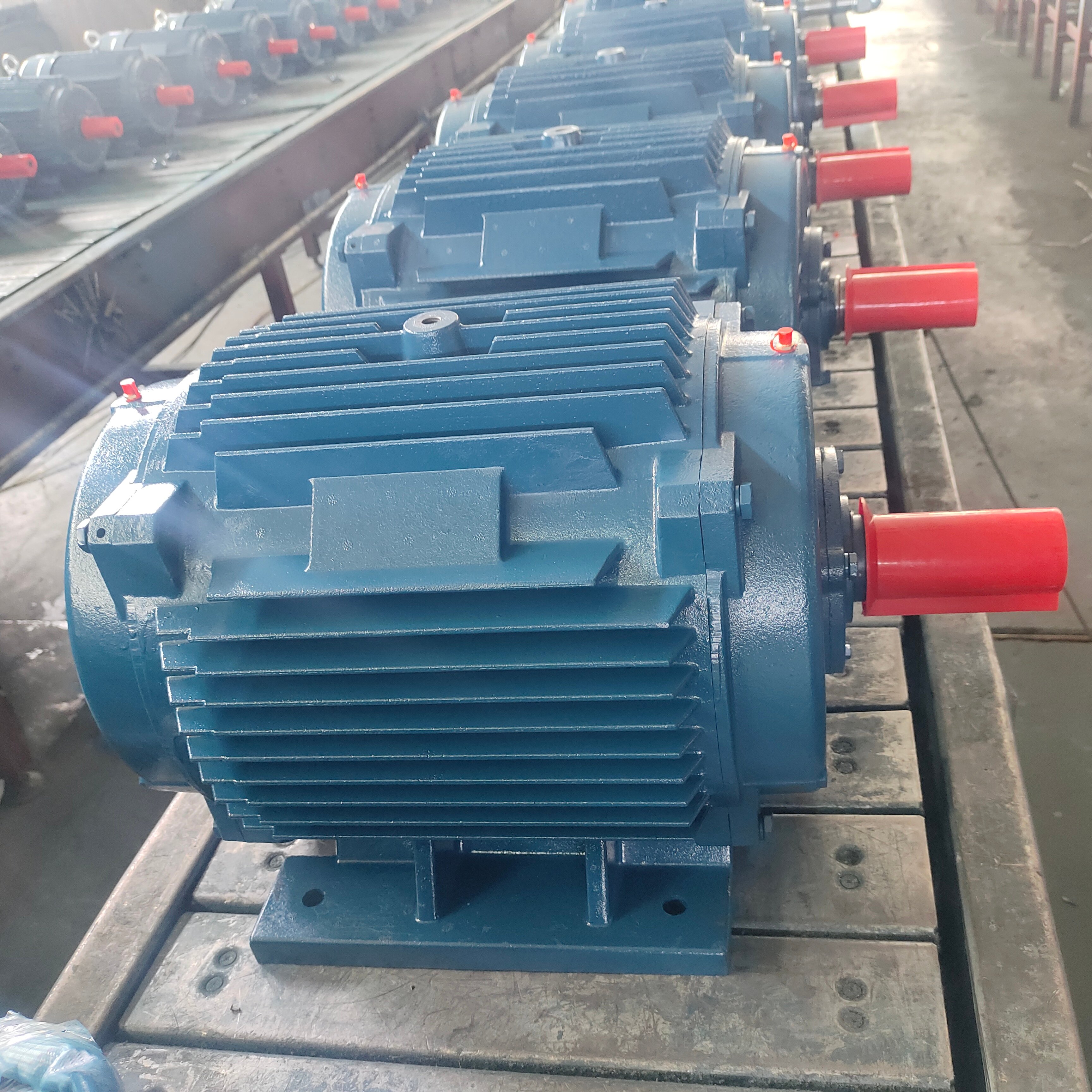
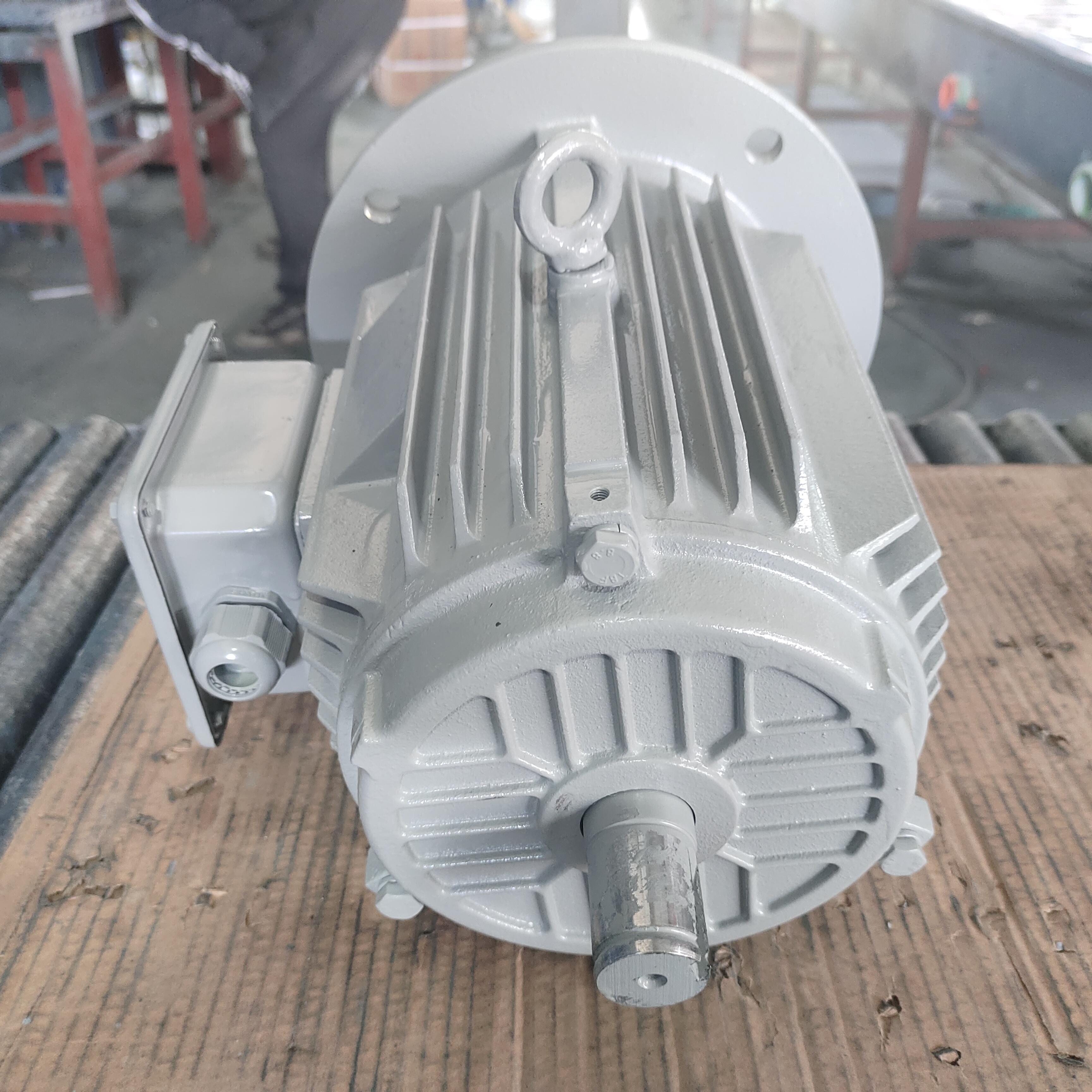
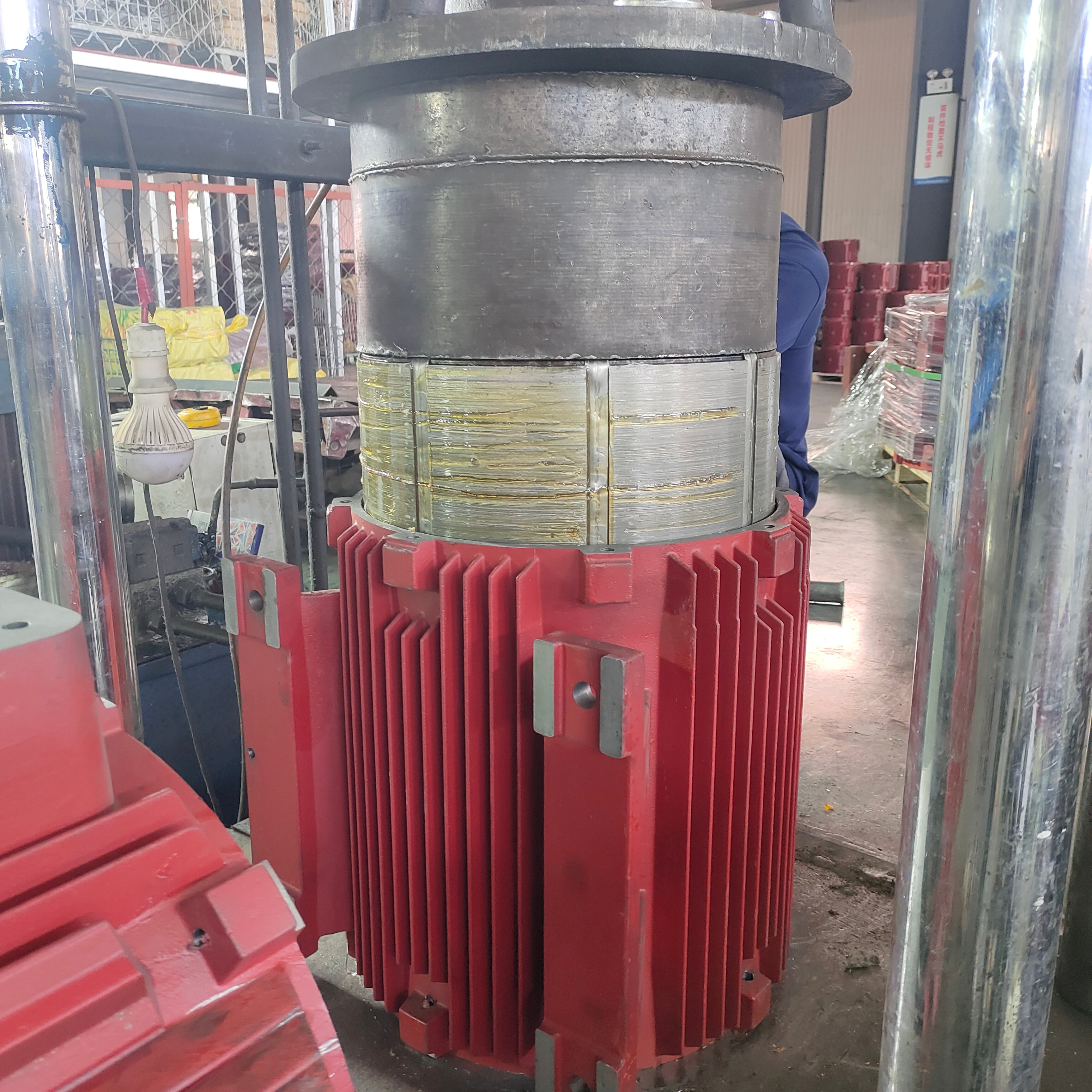
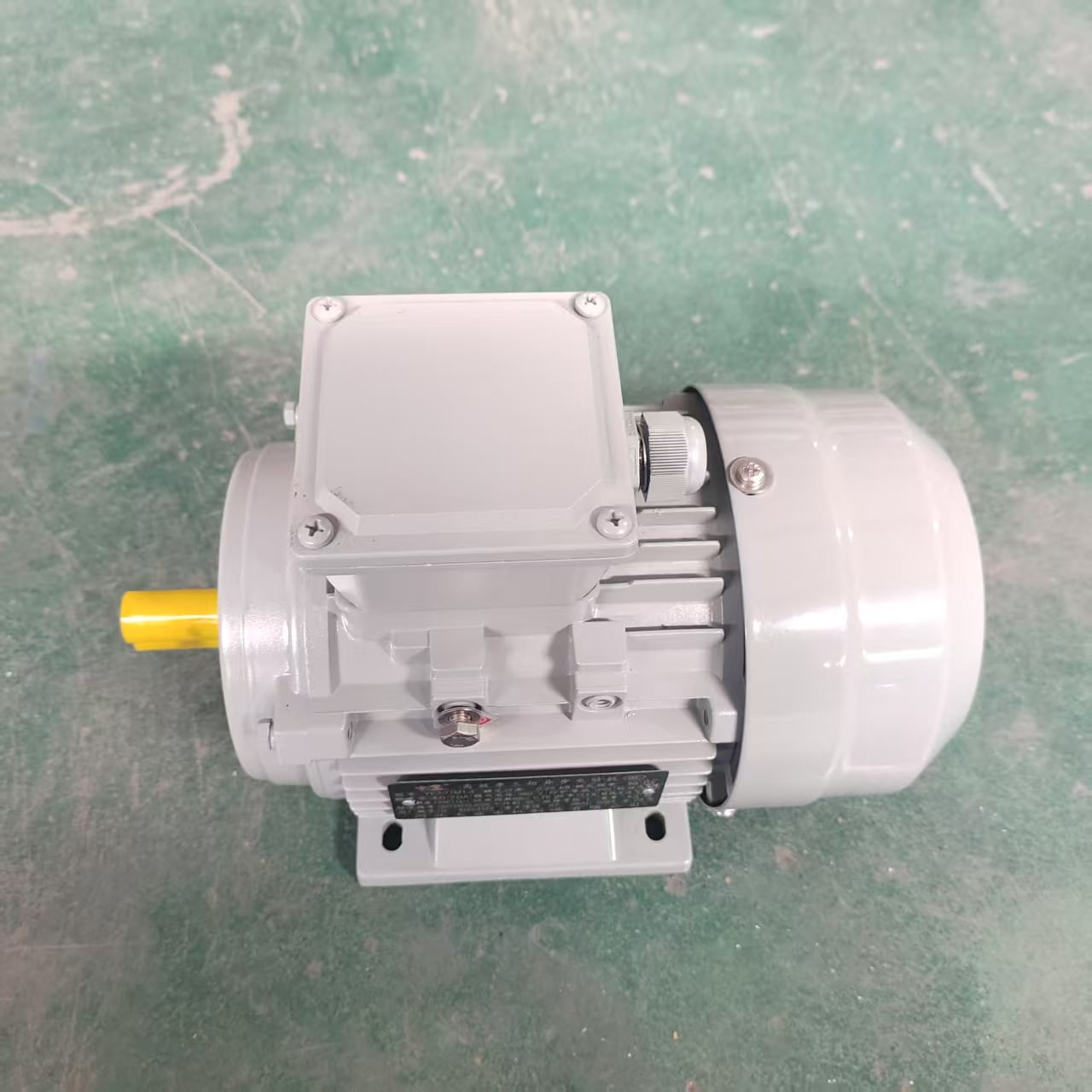
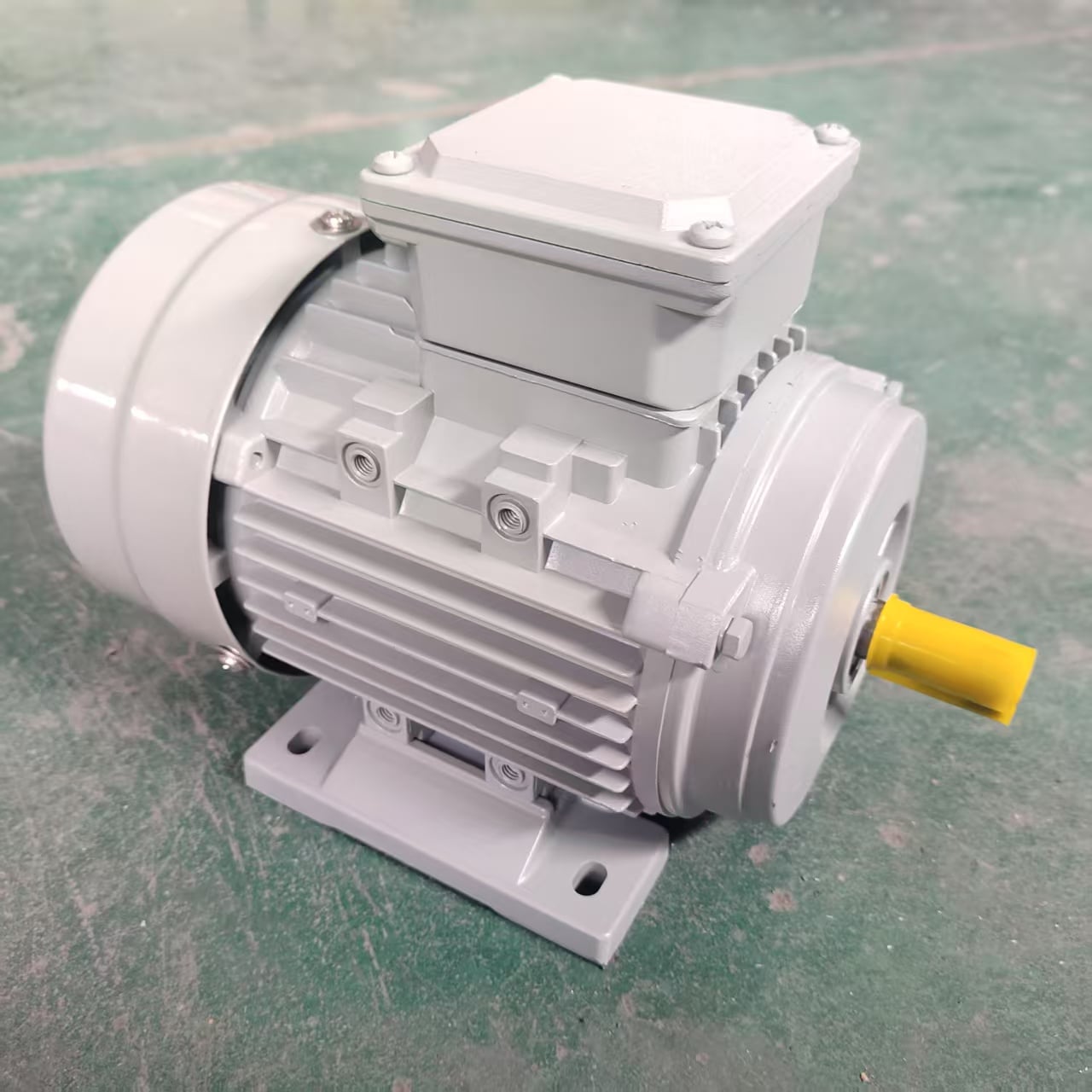
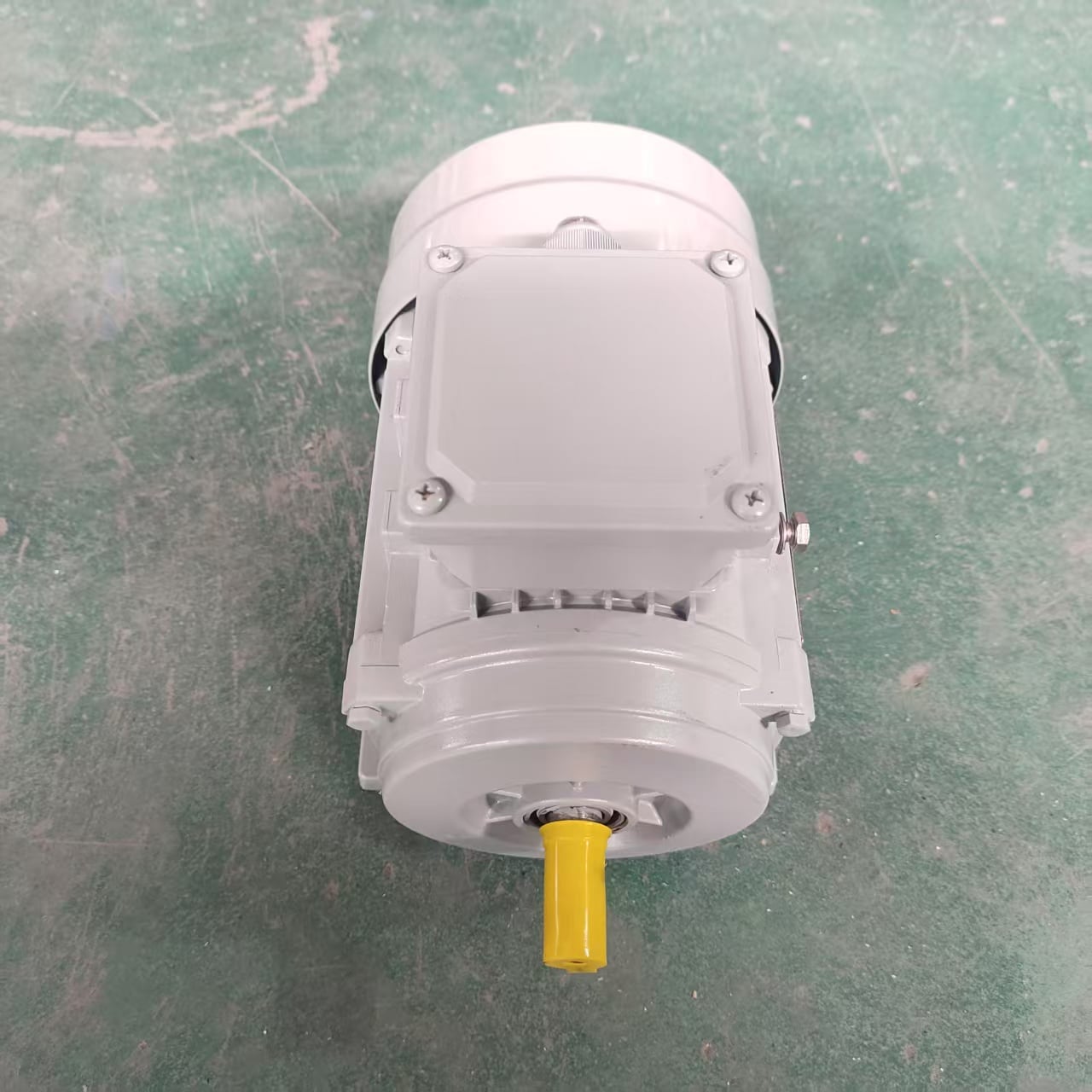
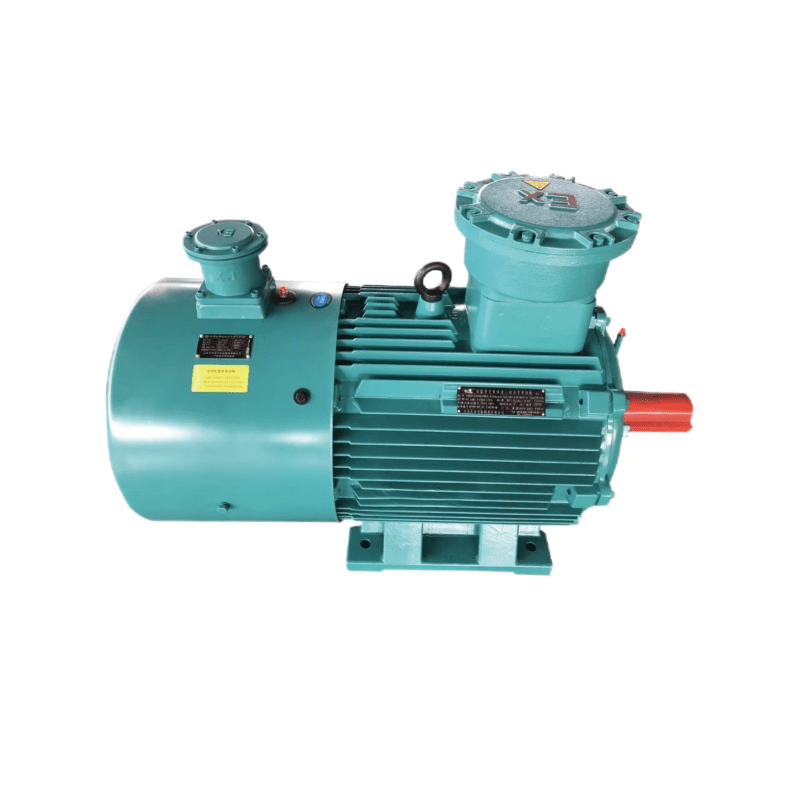
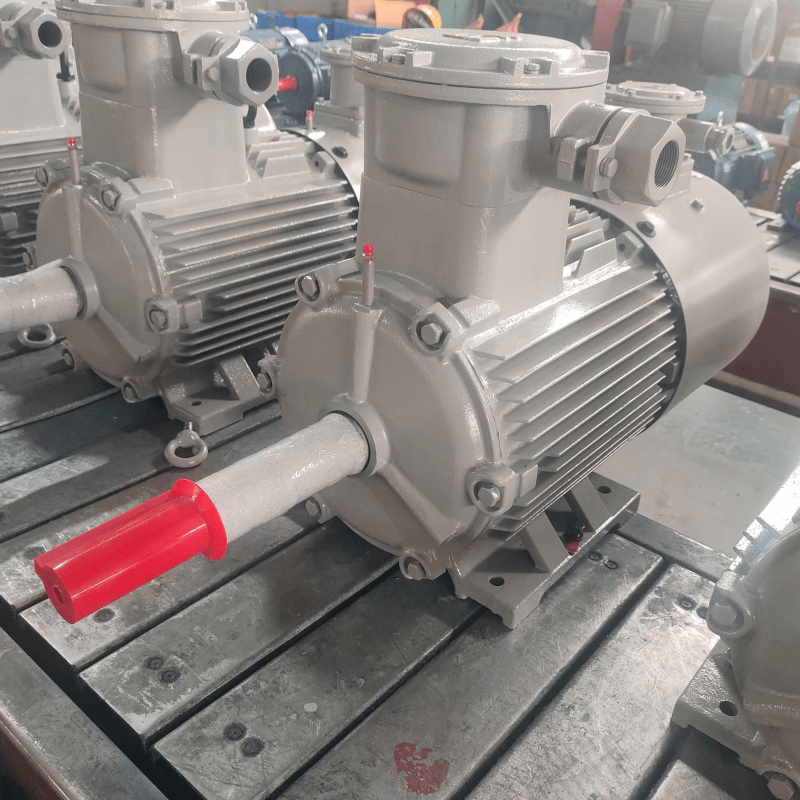
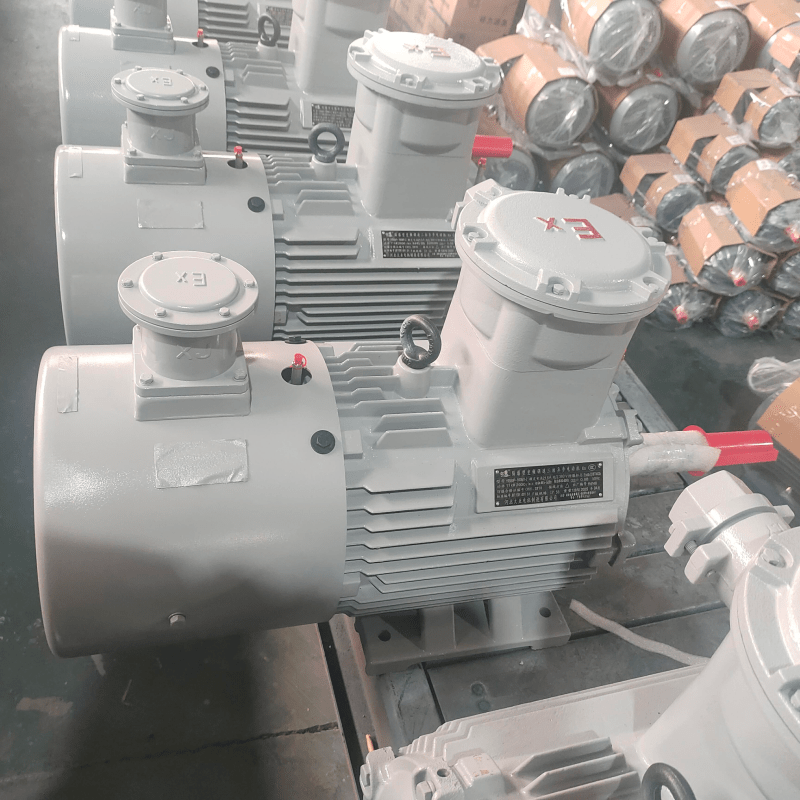
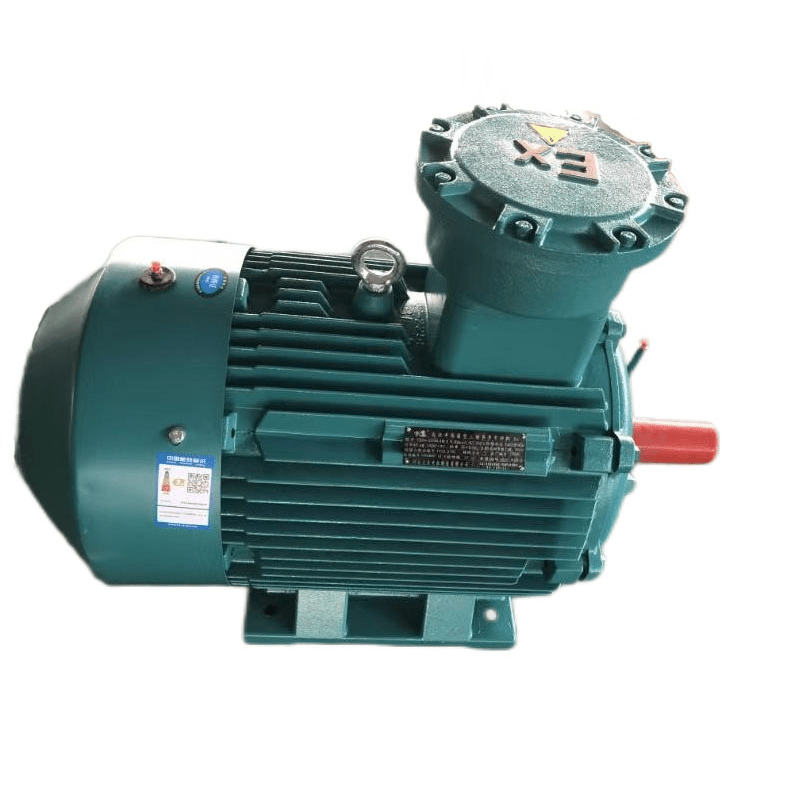
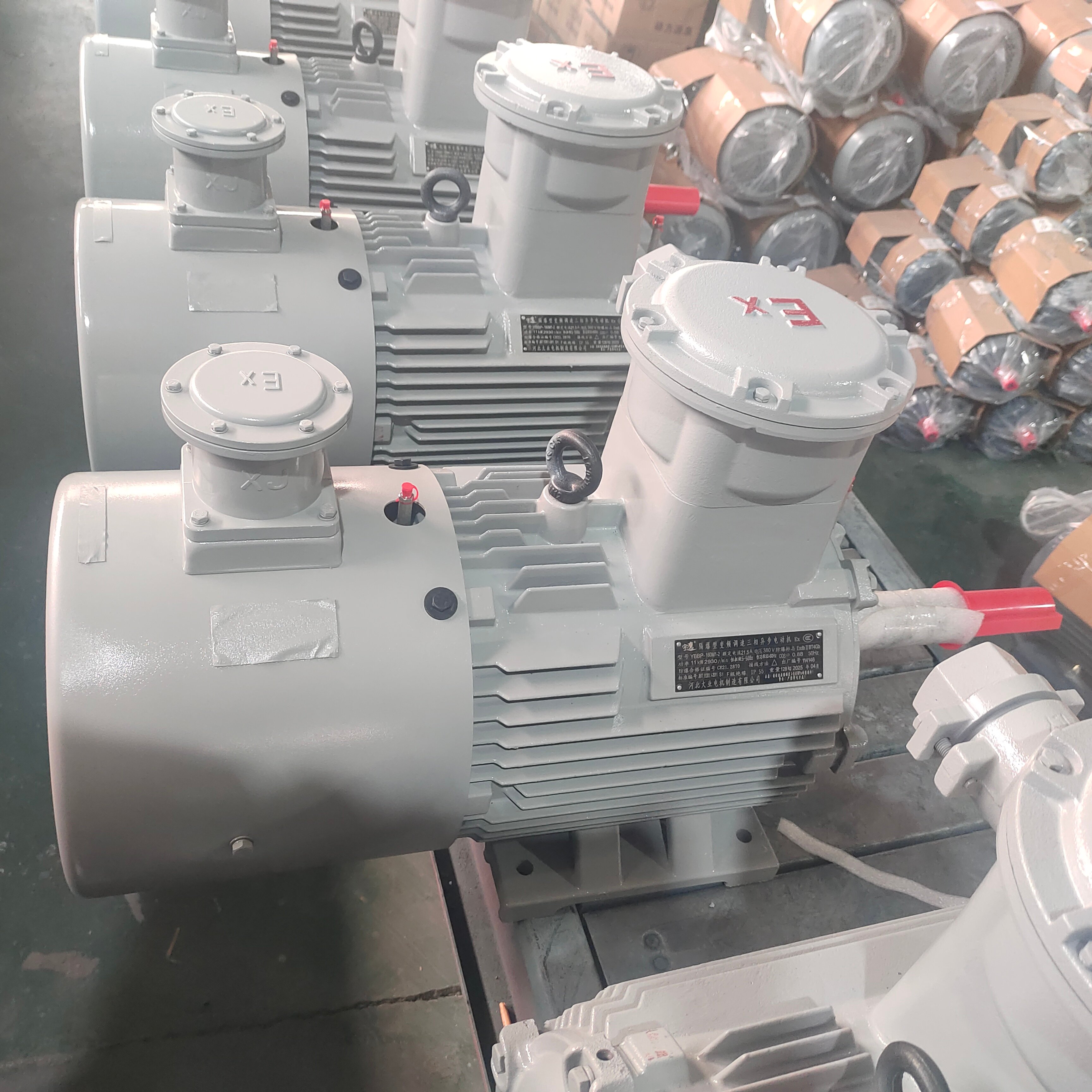
An efficient synchronous motor represents a cutting-edge solution in modern industrial applications, delivering exceptional performance through precise speed control and superior energy conversion. This advanced motor technology operates by maintaining constant rotational speed that remains synchronized with the supply frequency, regardless of load variations. The efficient synchronous motor achieves this remarkable stability through its unique design featuring permanent magnets or electromagnets that create a consistent magnetic field, enabling the rotor to lock into step with the rotating magnetic field generated by the stator windings. The primary functions of an efficient synchronous motor encompass providing reliable power transmission, maintaining precise speed regulation, and delivering consistent torque output across various operating conditions. These motors excel in applications requiring exact timing and coordination, making them indispensable in manufacturing processes, power generation facilities, and automated systems. The technological features that distinguish an efficient synchronous motor include advanced rotor construction, optimized magnetic circuits, and sophisticated control systems that monitor and adjust performance parameters in real-time. Modern efficient synchronous motor designs incorporate high-grade permanent magnets, precision-engineered air gaps, and enhanced cooling systems that maximize operational efficiency while minimizing energy losses. The motor's ability to operate at unity or leading power factor provides additional benefits to electrical systems by improving overall power quality and reducing reactive power consumption. Applications for efficient synchronous motor technology span numerous industries, including textile manufacturing, paper production, steel processing, chemical plants, and renewable energy systems. These motors prove particularly valuable in situations where multiple drives must operate in perfect synchronization, such as printing presses, conveyor systems, and precision manufacturing equipment. The efficient synchronous motor's robust construction and reliable operation make it suitable for continuous-duty applications in harsh industrial environments.

New Products

The efficient synchronous motor delivers numerous practical benefits that directly impact operational costs and system performance for businesses across various industries. Energy savings represent the most significant advantage, as these motors typically achieve efficiency ratings exceeding 95 percent, substantially reducing electricity consumption compared to conventional motor technologies. This exceptional efficiency translates into lower utility bills and reduced carbon footprint, making the efficient synchronous motor an environmentally responsible choice that supports sustainability goals while improving bottom-line performance. The precise speed control capabilities of an efficient synchronous motor eliminate speed variations that can compromise product quality and production consistency. Unlike induction motors that experience speed drops under heavy loads, the efficient synchronous motor maintains constant rotational speed regardless of torque demands, ensuring uniform product output and reducing waste from manufacturing defects. This reliability proves especially valuable in applications requiring tight tolerances and consistent processing speeds. Maintenance costs decrease significantly with efficient synchronous motor installations due to their robust construction and reduced mechanical stress. The absence of slip rings and brushes in permanent magnet versions eliminates common wear points, while the motor's ability to operate at optimal efficiency reduces heat generation and component degradation. Extended service intervals and longer operational life cycles result in lower total cost of ownership and reduced production downtime for maintenance activities. Power factor improvement represents another key advantage of the efficient synchronous motor, as these units can operate at unity or even leading power factor. This characteristic reduces reactive power demand from the electrical supply system, potentially lowering demand charges and improving overall power system efficiency. Facilities with multiple efficient synchronous motor installations often experience significant reductions in their electricity costs due to improved power factor performance. The efficient synchronous motor also provides superior torque characteristics, delivering high starting torque and maintaining consistent torque output across the entire speed range. This performance ensures reliable operation even during challenging start-up conditions or sudden load changes, reducing the risk of motor stalls or process interruptions that can result in costly production delays and equipment damage.

Tips And Tricks

Selecting and Installing Variable Frequency Motors

22

Aug

Selecting and Installing Variable Frequency Motors

Selecting and Installing Variable Frequency Motors Introduction to Variable Frequency Motors Electric motors are at the heart of industrial operations, powering pumps, compressors, conveyors, and ventilation systems. Traditionally, these motors opera...
View More
Asynchronous Motor Explained: Simple Guide for Beginners

26

Sep

Asynchronous Motor Explained: Simple Guide for Beginners

Understanding the Fundamentals of AC Induction Motors An asynchronous motor, also known as an induction motor, stands as one of the most widely used electric motors in industrial applications today. From conveyor belts in manufacturing plants to elev...
View More
3 Phase Induction Motor: How to Boost Performance by 20%

26

Sep

3 Phase Induction Motor: How to Boost Performance by 20%

Understanding the Power Behind Industrial Excellence The 3 phase induction motor stands as the backbone of modern industrial operations, powering everything from manufacturing plants to HVAC systems. With rising energy costs and increasing demands fo...
View More
Reducing Costs in Die Casting: Expert Tips and Strategies

27

Nov

Reducing Costs in Die Casting: Expert Tips and Strategies

Manufacturing companies worldwide are constantly seeking ways to optimize their production processes while maintaining quality standards. Die casting has emerged as one of the most efficient methods for producing complex metal components at scale, ye...
View More

Get a Free Quote

Our representative will contact you soon.
Email
Name
Company Name
Message
0/1000

efficient synchronous motor

Unmatched Energy Efficiency and Cost Reduction

Unmatched Energy Efficiency and Cost Reduction

The efficient synchronous motor stands out as a game-changing technology that delivers exceptional energy performance, typically achieving efficiency levels between 95-98 percent across various load conditions. This remarkable efficiency stems from the motor's unique design that eliminates slip losses inherent in traditional induction motors, ensuring that nearly all electrical energy converts directly into mechanical output. The permanent magnet rotor construction in modern efficient synchronous motor designs creates a strong, consistent magnetic field without requiring additional electrical energy for excitation, unlike wound rotor alternatives that consume power for field generation. This fundamental design advantage allows the efficient synchronous motor to maintain peak efficiency even during partial load operations, where conventional motors often experience significant efficiency degradation. The energy savings achieved through efficient synchronous motor implementation directly translate into substantial cost reductions for facility operators. A typical industrial installation can realize energy cost savings of 15-30 percent compared to standard efficiency motors, with payback periods often occurring within 2-3 years of installation. These savings become even more pronounced in applications with continuous operation schedules, where the cumulative effect of improved efficiency compounds over time. Additionally, many utility companies and government agencies offer rebates and incentives for efficient synchronous motor installations, further accelerating the return on investment. The efficient synchronous motor's superior energy performance also contributes to reduced thermal stress on electrical infrastructure, as lower current draw results in decreased heating in supply cables, transformers, and switchgear. This reduction in system losses extends the life of electrical components and reduces cooling requirements, creating additional operational savings beyond the direct motor efficiency improvements.
Precise Speed Control and Superior Reliability

Precise Speed Control and Superior Reliability

The efficient synchronous motor delivers unparalleled speed stability and control precision that sets it apart from all other motor technologies available in today's market. This exceptional performance characteristic results from the motor's fundamental operating principle, where the rotor maintains perfect synchronization with the supply frequency, creating a rigid mechanical connection between electrical input and rotational output. Unlike induction motors that experience speed variations based on load conditions, the efficient synchronous motor maintains constant speed regardless of torque demands, ensuring consistent process parameters and uniform product quality. This precise speed control capability proves invaluable in applications requiring exact timing coordination between multiple machines or processes. Manufacturing operations such as printing, packaging, textile production, and material handling benefit enormously from the efficient synchronous motor's ability to maintain synchronization across multiple drive points. The elimination of speed variations reduces product defects, minimizes waste, and improves overall process efficiency. Additionally, the efficient synchronous motor's instantaneous response to control signals enables precise positioning and rapid speed changes when equipped with appropriate drive systems. The reliability advantages of the efficient synchronous motor extend far beyond speed control, encompassing robust mechanical construction and simplified maintenance requirements. Permanent magnet versions eliminate the need for slip rings, brushes, and rotor windings that represent common failure points in other motor designs. This simplified construction reduces maintenance intervals and eliminates many potential sources of downtime. The efficient synchronous motor's ability to operate at optimal efficiency also reduces thermal stress on internal components, extending bearing life and preventing insulation degradation. Many efficient synchronous motor installations operate continuously for years without requiring major maintenance interventions, providing exceptional operational reliability that supports critical production processes and minimizes unscheduled downtime costs.
Advanced Power Factor Correction and Grid Benefits

Advanced Power Factor Correction and Grid Benefits

The efficient synchronous motor offers unique power factor correction capabilities that provide substantial benefits to both individual facilities and the broader electrical grid system. Unlike induction motors that inherently operate at lagging power factors requiring reactive power from the supply system, the efficient synchronous motor can operate at unity power factor or even provide leading power factor correction to offset other inductive loads within a facility. This characteristic stems from the motor's ability to control the phase relationship between voltage and current through field excitation adjustment in wound rotor designs or inherent magnetic properties in permanent magnet versions. The power factor improvement achieved through efficient synchronous motor implementation directly reduces reactive power consumption, which many utilities charge for through demand pricing structures. Facilities with multiple efficient synchronous motor installations often experience significant reductions in their electricity bills due to improved power factor performance, with some installations achieving power factor improvements from 0.8 to 0.95 or higher. This improvement not only reduces utility costs but also increases the facility's electrical system capacity for additional loads without requiring infrastructure upgrades. The grid-wide benefits of efficient synchronous motor adoption extend to improved voltage stability and reduced transmission losses throughout the electrical distribution system. When multiple facilities employ efficient synchronous motor technology, the cumulative effect of improved power factor and reduced reactive power demand enhances overall grid efficiency and stability. This improvement becomes particularly valuable during peak demand periods when electrical systems operate near capacity limits. The efficient synchronous motor's ability to provide rapid response to grid frequency variations also supports grid stability initiatives and renewable energy integration efforts. As power systems incorporate increasing amounts of variable renewable generation, the grid stabilization characteristics of efficient synchronous motor installations become increasingly valuable for maintaining reliable electrical service. Many forward-thinking facility managers recognize these broader benefits and select efficient synchronous motor technology not only for direct operational advantages but also as part of their commitment to supporting sustainable electrical infrastructure development.
Efficient Synchronous Motor Technology: Superior Performance and Energy Savings for Industrial Applications

Get a Free Quote

Our representative will contact you soon.
Email
Name
Company Name
Message
0/1000